Author: Palla Sridhar

  • Windows 11 Debloater: Ultimate Guide to Remove Bloatware and Optimize Your PC in 2025

    Windows 11 has brought exciting features and improved performance compared to its predecessors. However, many users have noticed that it comes with pre-installed apps and bloatware that consume system resources and slow down the overall performance of their devices.

    This has led to the rise of debloating Windows 11, a practice that involves removing or disabling unnecessary features and apps to enhance the system’s speed and efficiency.

    A popular way to debloat Windows 11 is by using the PowerShell debloat Windows 11 command, which allows advanced users to remove unwanted apps with simple commands.

    In this article, we will explore how to effectively debloat Windows 11, covering various methods, including the use of the Windows 11 debloat tool, PowerShell scripts, and third-party Windows debloater utilities.

    These methods can significantly improve system performance and reduce the load of unnecessary processes that consume memory and storage. Whether you are looking for a simple way to debloat Win 11 or want to fully optimize your system, this guide provides a comprehensive solution.

    Windows debloating can also help improve privacy and security by removing apps and services that may collect data or cause vulnerabilities.

    Debloated Windows 11 offers users a more streamlined, faster, and secure operating system experience. By utilizing the best Windows 11 debloater tool, you can easily remove built-in apps like Cortana, Xbox Game Bar, and others that are not essential for your workflow.

    For those seeking more granular control, the Win11debloat script offers an advanced way to customize which features and apps to keep or remove.

    This script can be used as a Windows 11 debloater tool, giving users a chance to fine-tune the system. Additionally, users can also try other third-party debloaters for Windows 11 that provide a one-click solution for debloating without requiring any command line expertise.

    Whether you are using the built-in Windows 11 debloat tool or prefer using PowerShell debloat Windows 11 commands, each method has its advantages.

    In the following sections, we will walk you through the steps to achieve a faster and unbloated Windows 11 system, making it easier to focus on your tasks without the burden of unwanted software. If you’re ready to get started, let’s dive into the top tools and methods for debloating Windows 11 effectively!
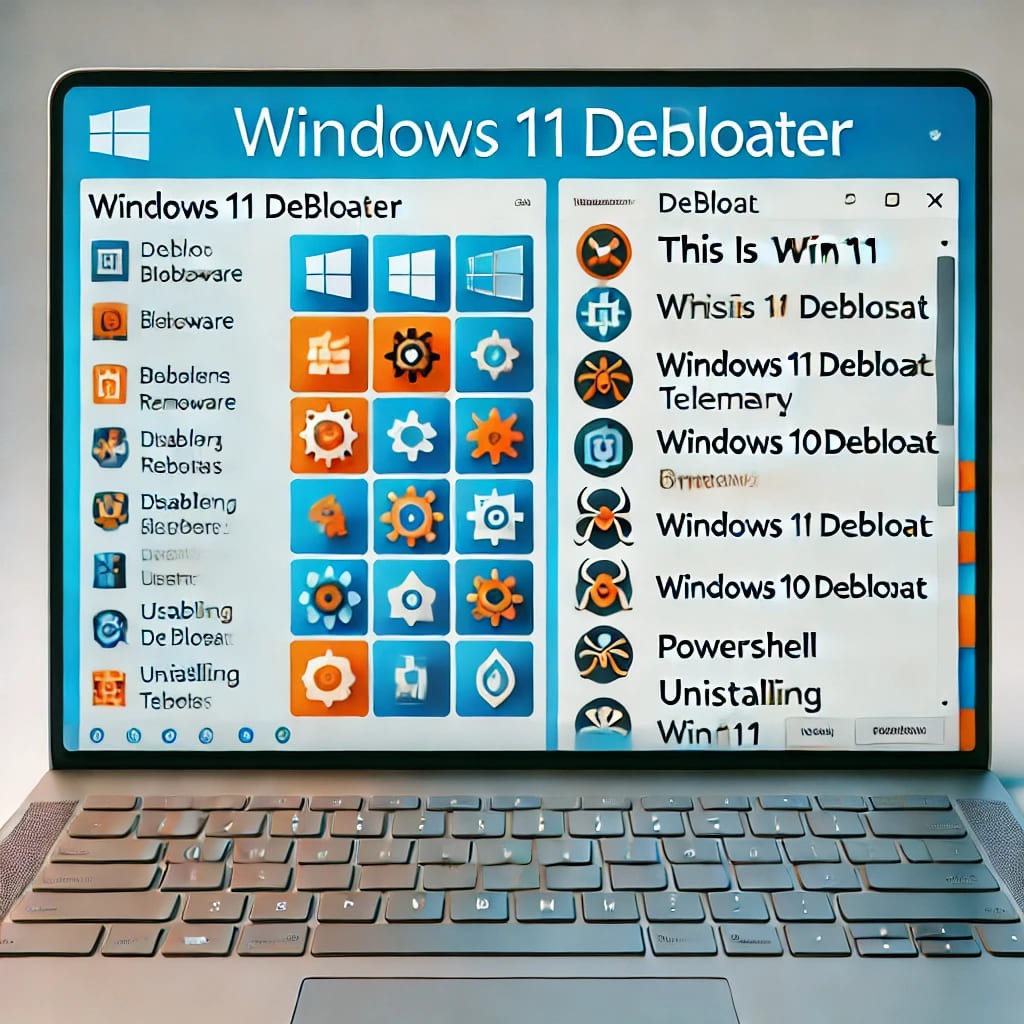
    windows 11 debloater tools

    How to Debloat Windows 11

    Debloating Windows 11 involves removing or disabling unnecessary apps and features that you don’t need. This not only frees up disk space but also improves the overall system performance. In this section, we will cover the different ways to remove bloatware from your system.

    Debloat Windows 11 Using Third-Party Tools

    Third-party tools are some of the most efficient ways to debloat your Windows 11 system. These tools can automate the process and help you safely remove unwanted apps and services.

    Using ThisIsWin11 to Debloat Windows 11

    ThisIsWin11 is one of the best and most widely recommended third-party tools for debloating Windows 11. This tool allows users to remove a variety of bloatware, adjust privacy settings, and optimize system performance.

    To use ThisIsWin11, follow these steps:

    1. Download the latest version of the ThisIsWin11 tool from a trusted source.
    2. Launch the tool and select the features you want to debloat or adjust.
    3. Click the “Debloat” button to remove the selected bloatware.

    Automating the Debloat Process with ThisIsWin11

    For those who want to automate the process, ThisIsWin11 also provides an automated mode. This mode allows you to debloat Windows 11 with a single click, making it a perfect solution for users who want a hassle-free experience.

    1. Open ThisIsWin11 and navigate to the automation section.
    2. Select “Automatic Debloat” to let the tool scan and remove unnecessary apps.
    3. Allow the tool to make changes and reboot your system.
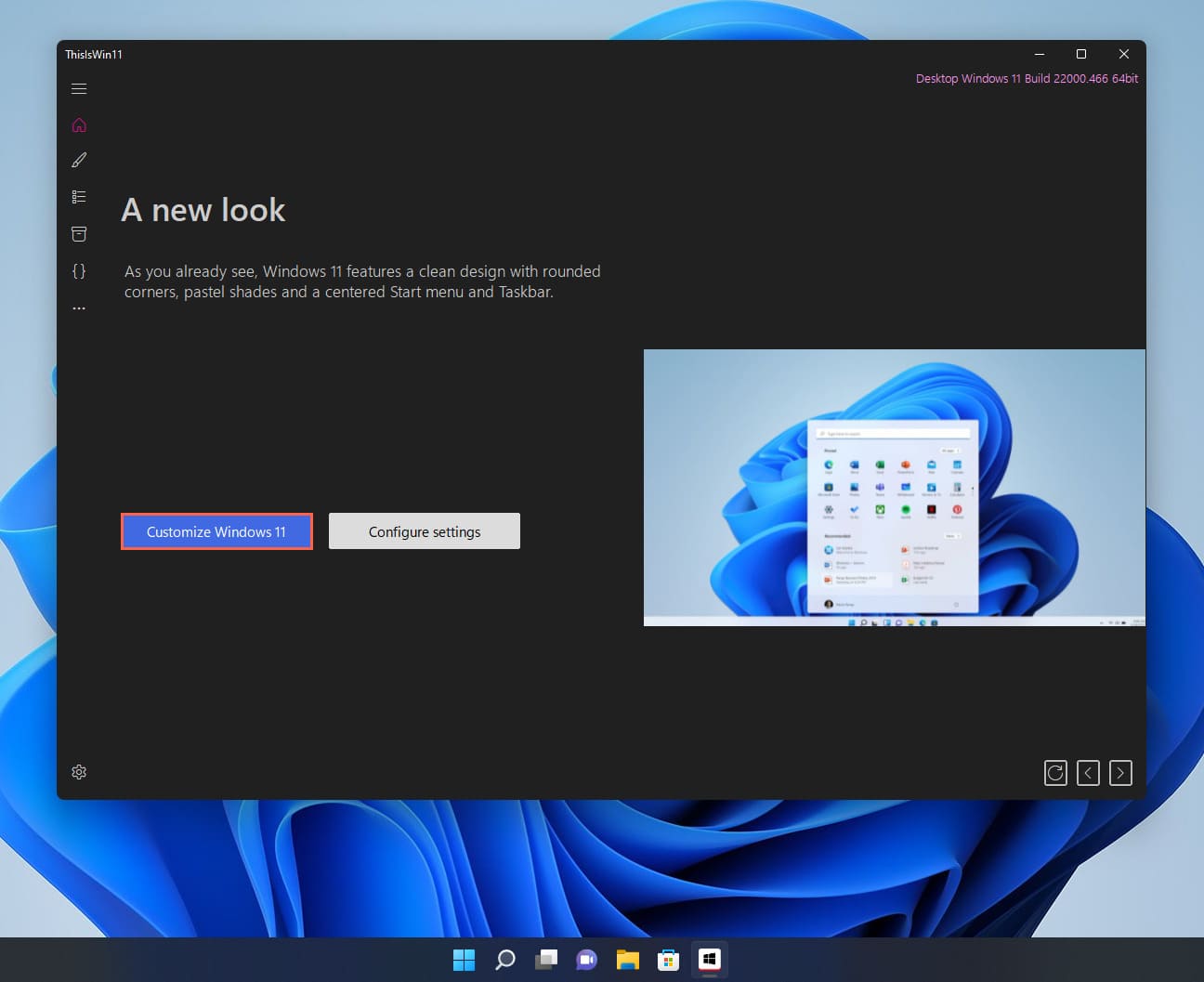
    thisiswin11 debloater 1

    Using Windows10Debloater Script to Remove Bloatware

    Another powerful script is the Windows10Debloater script, which is specifically designed to remove bloatware from both Windows 10 and Windows 11. It’s open-source and can be run through PowerShell or Windows Terminal.

    To use the Windows10Debloater script:

    1. Download the script from a trusted repository like GitHub.
    2. Open Windows PowerShell as Administrator.
    3. Navigate to the script’s directory and execute the script.

    Remove Bloatware Using PowerShell Commands

    PowerShell is a powerful tool in Windows 11 that allows users to remove apps and features directly from the command line. It’s an excellent option for advanced users who want more control over the debloating process.

    Using Remove-AppxPackage Command

    The Remove-AppxPackage command is one of the most commonly used PowerShell commands to uninstall preinstalled apps in Windows 11. Here’s how you can use it:

    1. Open Windows PowerShell as Administrator.
    2. Type Get-AppxPackage *appname* | Remove-AppxPackage and press Enter to remove specific apps. Replace “appname” with the name of the app you want to remove.

    Removing Provisioned Apps with DISM

    Another method to remove bloatware is by using the DISM (Deployment Imaging Service and Management Tool) command. This tool allows you to remove provisioned apps, which are apps installed for all users on the system.

    1. Open Command Prompt as Administrator.
    2. Type dism /online /remove-provisioned-appx-package /packagename:appname to remove specific provisioned apps.

    Remove Bloatware Using Traditional Uninstall

    If you’re not comfortable with using third-party tools or PowerShell, you can always remove bloatware using the traditional method through the Settings app.

    1. Open the Settings app.
    2. Navigate to Apps > Installed Apps.
    3. Find the app you want to remove, click on it, and select Uninstall.

    While this method is simple, it’s important to note that it may not remove all bloatware, especially system apps or background services.

    Prepare Your System Before Debloating

    Before you begin debloating, it’s essential to prepare your system to ensure the process goes smoothly and to safeguard against potential issues.

    Install the Latest Windows Updates

    Before removing any bloatware, ensure that your Windows 11 system is up to date. Installing the latest updates will ensure your system is stable and secure, and it can also help prevent compatibility issues with certain tools.

    1. Go to Settings > Update & Security.
    2. Check for updates and install any available updates.

    Create a System Restore Point

    It’s always a good idea to create a system restore point before making significant changes to your system. This way, if something goes wrong, you can easily restore your system to its previous state.

    1. Open Control Panel.
    2. Navigate to System > System Protection.
    3. Click Create to make a restore point.

    Win11Debloat

    If you want a tool that focuses solely on Windows 11 debloating, the Win11Debloat tool is an excellent choice. This tool is designed to remove bloatware and optimize your system with minimal effort.

    Features of Win11Debloat

    Here are some of the features of Win11Debloat:

    App Removal

    Win11Debloat allows you to remove preinstalled apps that you don’t use, such as Microsoft OneDrive, Xbox, Cortana, and more.

    Telemetry, Tracking & Suggested Content

    Win11Debloat can disable telemetry and tracking features that send data to Microsoft. It also removes suggested content in the Start menu, making it cleaner and more user-focused.

    Bing Web Search, Copilot & More

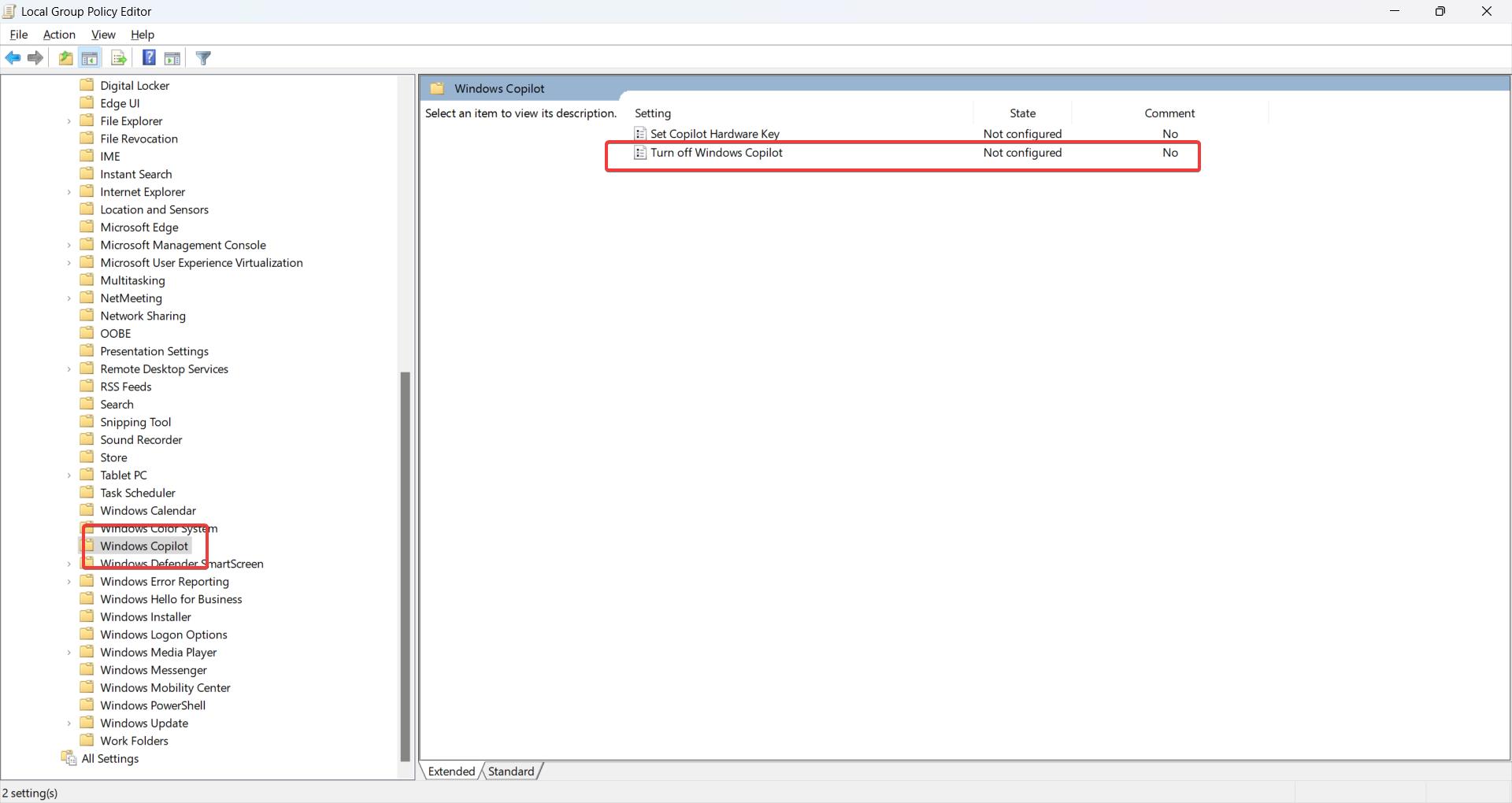
    With Win11Debloat, you can remove Bing integration and disable Windows Copilot. This gives you more control over how you interact with your system and reduces distractions.

    File Explorer

    You can also clean up File Explorer by disabling certain features like Quick Access and removing unnecessary context menus.

    Taskbar

    Win11Debloat lets you customize the taskbar, removing unwanted features such as the Microsoft Store icon or widgets.

    Context Menu

    It also allows you to streamline the context menu in Windows 11, removing unnecessary options for a cleaner interface.

    Other Features

    Other features include optimizing Windows 11’s privacy settings, disabling startup apps, and more.

    Default Settings

    The tool also offers a set of default settings that you can choose to apply, making it easy for beginners to get started with the debloating process.

    Windows 11 Debloater Tool | Debloat GUI (Updated Feb 22, 2025! V2.0.6)

    If you prefer a graphical interface over a command-line tool, the Windows 11 Debloater Tool | Debloat GUI is a great choice. The GUI simplifies the debloating process, allowing users to click through the options.

    How to Use the Windows 11 Debloater Tool

    Installation

    To install the Windows 11 Debloater Tool, follow these steps:

    1. Download the latest version from a trusted source.
    2. Install the tool and launch it.

    Basic Usage

    Once installed, you can start debloating your system by selecting the features you want to remove.

    • EZ Debloater: For beginners who just want to remove the most common bloatware.
    • Advanced Debloater: For users who want more control over which apps and features are removed.
    • Fine-Tuning Debloater: For advanced users who want to manually select every feature they wish to disable or remove.

    Bloatware Slows Down Your Windows 11 PC

    Bloatware can significantly slow down your system by taking up valuable disk space and running unnecessary processes in the background. Removing bloatware not only frees up storage but also helps your system run faster.

    Why Not Use Automated Tools to Debloat?

    While manual debloating methods such as PowerShell or the Settings app work, they require a certain level of technical knowledge. Automated tools, on the other hand, handle everything for you, making the process easier and less time-consuming.

    Uninstalling Bloatware from the Settings App

    If you prefer the manual method, you can always uninstall apps directly from the Settings app. However, keep in mind that not all bloatware can be removed this way, especially system apps.

    Disabling Startup Apps

    Many apps are set to launch automatically when your computer starts. These startup apps consume system resources, making your PC slower. To disable them:

    1. Open Task Manager (Ctrl + Shift + Esc).
    2. Go to the Startup tab.
    3. Disable any apps you don’t need at startup.

    Disabling Optional Windows Features

    Windows 11 includes several optional features that may not be useful for everyone. To disable them:

    1. Go to Control Panel > Programs > Turn Windows features on or off.
    2. Uncheck any features you don’t need.

    Clearing Out Temporary Files

    Temporary files, cache, and system logs can pile up over time and take up unnecessary space on your drive. To clear them:

    1. Open Settings > System > Storage.
    2. Click on Temporary files and remove any unnecessary data.
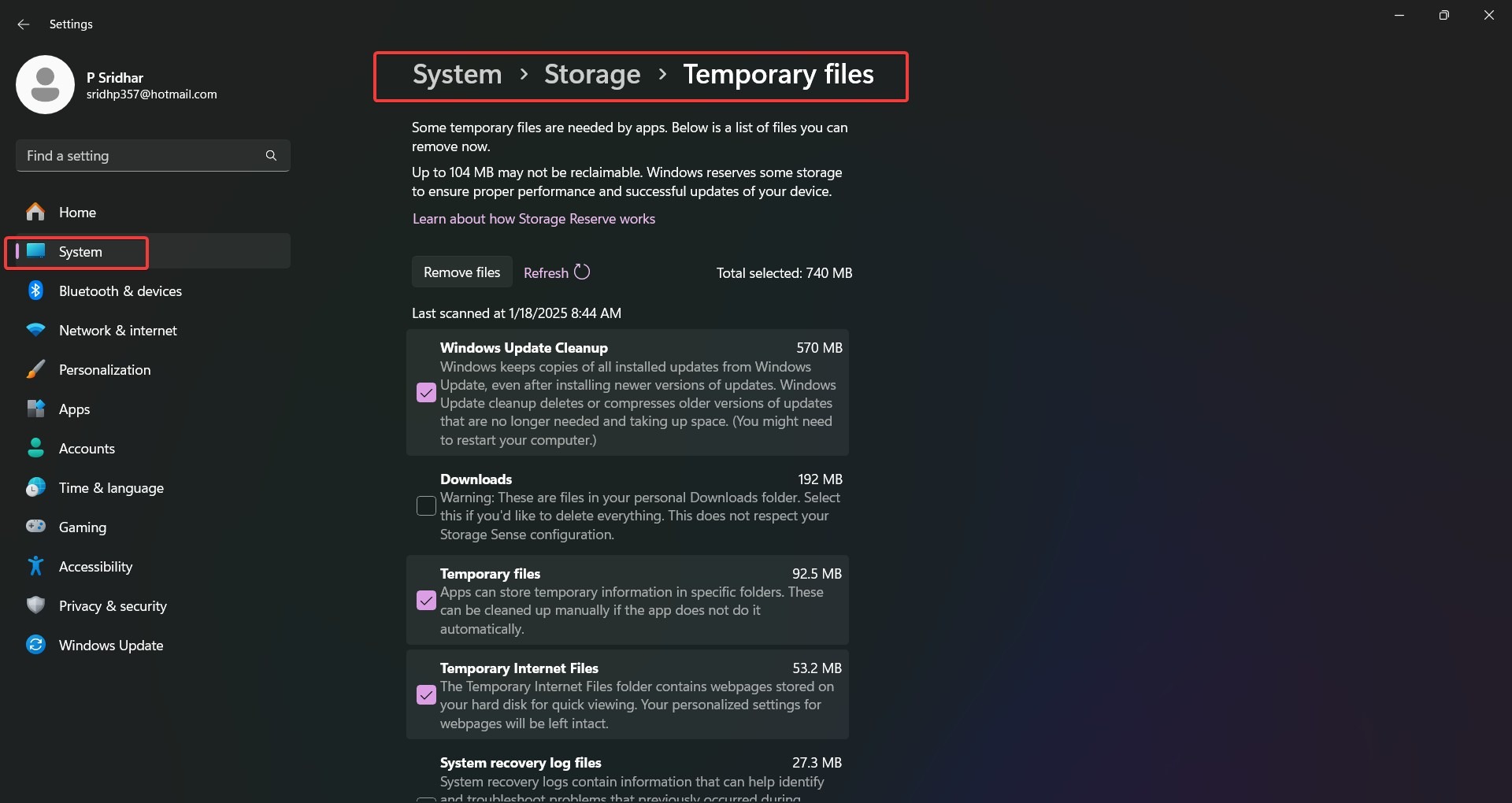
    clean windows 11 bloatware

    What About Removing Preinstalled Antivirus Software?

    Windows 11 comes with Microsoft Defender, but if you have installed third-party antivirus software, you may want to remove it. To uninstall third-party antivirus software:

    1. Open Settings > Apps.
    2. Find the antivirus software and click Uninstall.

    How to Optimize Your Windows PC for Different Tasks

    After debloating, you may want to optimize your system based on your usage. Whether you’re gaming, working, or using your PC for entertainment, here are some tips:

    1. For Gaming: Disable unnecessary background processes and optimize your power settings for performance.
    2. For Work: Keep your system lean and ensure that essential work apps are running efficiently.
    3. For General Use: Optimize your storage and power settings to maximize battery life.

    FAQ

    What is Windows 11 Debloater?

    Windows 11 Debloater is a set of tools and methods used to remove unnecessary preinstalled apps, services, and features (often referred to as bloatware) that come with Windows 11. By debloating your system, you can improve overall performance, free up storage space, and reduce system resource consumption. Tools like ThisIsWin11, Windows10Debloater, and PowerShell commands are commonly used for debloating.

    How do I use third-party tools like ThisIsWin11 for debloating?

    To use ThisIsWin11, simply download the tool from a trusted source and run it on your Windows 11 PC. The tool offers an easy-to-use interface that allows you to select the specific apps and features you want to remove. You can either automate the debloating process or manually choose which elements to disable, such as Cortana, OneDrive, or telemetry settings.

    Is it safe to use PowerShell for debloating Windows 11?

    Yes, using PowerShell for debloating is safe if you follow the correct commands. PowerShell allows you to remove bloatware, disable telemetry, and manage apps directly via command lines. However, it’s important to be cautious and ensure you only remove unnecessary apps or services. Always create a system restore point before making changes to avoid issues.

    Can I debloat Windows 11 without third-party software?

    Yes, you can debloat Windows 11 without third-party tools by using built-in methods such as the Settings app, PowerShell, or DISM (Deployment Imaging Service and Management Tool) commands. You can uninstall apps manually from the Settings menu, use PowerShell to remove provisioned apps, and clear temporary files to free up space and improve performance.

    What are the benefits of debloating Windows 11?

    Debloating Windows 11 offers several benefits, including:

    • Improved Performance: By removing unnecessary apps and services, your PC will run faster and smoother.
    • More Storage Space: Bloatware can take up valuable disk space, which can be reclaimed after debloating.
    • Enhanced Privacy: Disabling telemetry and tracking features reduces the data sent to Microsoft.
    • Cleaner Interface: Debloating also helps you declutter your system, making it more user-friendly and personalized.

    These FAQs address key user concerns, increase article relevance, and are optimized for search engines to help rank your article higher on platforms like Google and Bing.

    How to Debloat Windows 11 Using Free Debloater Tool

    For a more hands-on approach, the Free Debloater Tool is an excellent solution.

    Step 1: Create a System Restore Point

    Before you start, always create a restore point to ensure you can roll back if something goes wrong.

    Step 2—Debloat Windows 11 Using the Debloater Tool

    1. Download and install the Debloater Tool.
    2. Run the tool and choose the apps or features you want to remove.
    3. Click Debloat to start the process.

    By following these methods, you can effectively debloat your Windows 11 system, remove unwanted apps, and improve your PC’s performance. Whether you use third-party tools, PowerShell commands, or manual methods, debloating Windows 11 can make your system run faster and more efficiently.

  • 5 Easy Steps to Perfect Your HDMI Settings on Windows 11

    HDMI (High-Definition Multimedia Interface) has revolutionized how we connect devices, offering a seamless way to enhance audio and video quality on larger screens.

    Whether you’re setting up an external monitor, connecting a TV, or troubleshooting HDMI settings on your PC, this guide will help you navigate the process with ease.

    HDMI settings play a crucial role in ensuring that your device’s output and input signals are working properly, enabling higher-quality video playback and sound.

    If you’ve ever struggled with HDMI connections, such as your HDMI port not detecting a signal or needing to adjust display settings for better resolution, you’re not alone.

    Common issues like faulty cables, outdated drivers, or incompatible hardware can disrupt the connection.

    This tutorial will walk you through connecting your device to an external display, updating drivers, and tweaking settings to achieve optimal performance.

    We’ll also cover how to select the correct HDMI input source and troubleshoot common issues, ensuring that your hardware and software are configured correctly.

    By the end of this guide, you’ll be equipped to manage HDMI settings on your PC or other devices, from connecting your laptop to a TV to updating drivers for better signal compatibility. Let’s dive in and simplify the way you connect, adjust, and enjoy your devices.

    hdmi settings to connect pc/laptop to 4K hdmi output devices

    5 Essential HDMI Settings You Need to Know for a Perfect Setup

    HDMI settings can significantly improve your viewing experience, whether you’re using a TV, laptop, or other HDMI-compatible device. Adjusting these settings allows you to fine-tune resolution, signal format, and how your device interacts with the HDMI connection. Here’s a step-by-step guide to mastering HDMI settings for optimal performance.

    Adjusting HDMI Signal Format on Your TV

    To get the best performance from your TV, you need to configure the HDMI signal format appropriately. This is especially crucial for watching 4K or HDR content. Here’s how to do it:

    1. Press the Quick Settings button on your remote.
    2. Navigate to Settings from the menu.
    3. Select Channels & Inputs to access input settings.
    4. Go to External Inputs and select HDMI Signal Format.
    5. Choose the HDMI input you want to adjust.
    6. Set the HDMI signal format to Enhanced Format for 4K and HDR compatibility.

    Pro Tip: Using Enhanced Format ensures your TV supports higher-quality video and audio signals, providing a seamless 4K viewing experience.

    quick settings remote 1

    Configuring HDMI Output on Your Laptop

    Setting up HDMI output on a laptop allows you to connect it to an external display or TV, making it ideal for presentations, multitasking, or streaming. Follow these steps to configure HDMI output:

    1. Right-click on your desktop and select Display Settings.
    2. In the display settings menu, locate and select your connected TV or monitor from the dropdown list.
    3. Adjust the resolution to match the external display’s capabilities.

    Bonus Tip: You can choose between different display modes:

    • Extend: Spread your desktop across both screens for multitasking.
    • Duplicate: Mirror your laptop’s screen on the external display.
    • Second Screen Only: Use the external display as your primary screen.

    Watching 4K and HDR Content

    Ensure your HDMI settings are optimized for 4K and HDR content to enjoy crisp visuals:

    • Use a high-speed HDMI cable that supports 4K signals.
    • Set the HDMI signal format on your TV to Enhanced Format.
    • Ensure your laptop’s output resolution is set to 3840 x 2160 (4K).

    These adjustments ensure both your TV and laptop deliver a premium viewing experience.

    Troubleshooting HDMI Issues

    If you’re experiencing problems like no display or sound through HDMI, try these troubleshooting tips:

    • Check the Connection: Ensure the HDMI cable is securely plugged into both the device and the display.
    • Run Audio Troubleshooter: On Windows, search for “Audio Troubleshooter” in the Control Panel and follow the prompts to fix sound issues.
    • Update Drivers: Go to Device Manager and update your graphics and sound drivers to ensure compatibility.

    Enhancing Your HDMI Setup

    Maximize your HDMI setup by tweaking a few additional settings:

    • Adjust the refresh rate for smoother video playback.
    • Calibrate the color settings for accurate visuals.
    • Use adapters if your device lacks an HDMI port (e.g., USB-C to HDMI).

    Checking the Hardware Requirements

    Before diving into the setup process, ensure that your devices meet the hardware requirements:

    • HDMI Port Availability: Check if your PC or laptop has an HDMI port. Most modern devices come equipped with this port, but older models might require adapters (e.g., USB-C to HDMI).
    • Compatible External Display: Confirm that your external monitor, TV, or projector supports HDMI input.
    • Quality HDMI Cable: Use a certified HDMI cable to ensure optimal performance.

    If your computer lacks an HDMI port, consider using docking stations or adapters compatible with your device’s output ports.

    Additionally, we’ll explore using adapters for devices that lack an HDMI port, ensuring compatibility with VGA or other video output formats.

    Whether you’re aiming for 4K signals on a Sony TV, duplicating your desktop on a larger screen, or troubleshooting audio issues, this help guide has you covered.

    With clear steps and solutions to common issues, this tutorial ensures that your HDMI settings are optimized for high-quality output.

    Connecting the HDMI Cable

    1. Locate the HDMI Ports: Identify the HDMI port on both your PC and the external display. On most modern devices, the HDMI port is clearly labeled and easily accessible on the sides or back panels. If your device lacks an HDMI port, consider using an appropriate adapter such as USB-C to HDMI or DisplayPort to HDMI.
    2. Connect the Cable: Firmly insert one end of the HDMI cable into your PC’s HDMI port and the other end into the external display’s HDMI input port. Ensure you are using a high-quality HDMI cable to support better resolution and signal integrity, especially if you are aiming for HD or 4K video playback.
    3. Secure the Connection: Double-check that both ends of the cable are fully inserted and seated securely. Loose connections can result in signal loss, flickering, or a complete lack of display. If your external display allows it, switch to the corresponding HDMI input source using its settings menu or remote control.
    4. Power On Your Devices: Turn on both your PC and the external display. Many modern displays will automatically detect the HDMI signal, but if they do not, manually select the HDMI input source using the display’s on-screen menu or remote.
    5. Verify the Connection: Once connected, your PC should automatically recognize the external display and extend or duplicate your desktop, depending on the settings. If the display is not detected, proceed to the troubleshooting steps outlined in this guide.

    Pro Tip: Avoid bending or twisting the HDMI cable during installation. This can damage the cable and degrade the signal quality. For wall-mounted displays or tight spaces, use angled HDMI adapters to minimize cable stress.

    Additional Note: If your display supports HDMI signal format settings, ensure it matches your PC’s output resolution for optimal performance. For example, enable 4K signals or HDR modes if supported by your PC and HDMI cable.

    Configuring Display Settings in Windows 11

    Once the HDMI cable is connected, follow these steps to configure display settings:

    1. Access Display Settings:
      • Right-click on the desktop and select “Display settings” from the context menu.
      • Alternatively, navigate to Settings > System > Display.
    2. Detect Displays: Scroll down to the “Multiple displays” section and click “Detect” if the external display isn’t automatically recognized.
    3. Adjust Display Arrangement: Drag and position the displays to match your physical setup for a better user experience.

    Switching to HDMI as the Primary Display

    To make the HDMI-connected display your primary screen:

    1. Open the display settings.
    2. Under “Rearrange your displays,” click on the display you want to set as primary.
    3. Check the box labeled “Make this my main display.”

    This action will shift the taskbar and primary apps to the selected screen.

    Adjusting Resolution and Display Settings

    Ensuring your external display has the correct resolution is crucial for clarity and performance. Follow these steps:

    1. Select the Display: Choose the HDMI-connected display in the settings menu.
    2. Change Resolution: Use the “Display resolution” dropdown menu to select the recommended resolution.
    3. Adjust Scaling: If icons or text appear too small or large, modify the scaling settings under “Scale and layout.”

    Troubleshooting Common Issues

    If you encounter problems during the setup process, here are some solutions:

    • External Display Not Detected:
      • Verify cable connections.
      • Click “Detect” in the display settings.
      • Update your graphics driver via Device Manager.
    • No Audio Through HDMI:
    • Flickering or Flashing Screen:
      • Check for loose connections.
      • Lower the refresh rate under “Advanced display settings.”
    • Poor Resolution:
      • Use a high-speed HDMI cable.
      • Manually adjust resolution settings.

    How to Switch to HDMI on Windows 11: A Step-by-Step Guide

    For users on Windows 11 or Windows 10, the process of managing HDMI settings starts with understanding the basics. From identifying the correct HDMI cable to choosing the right display settings in the control panel or system preferences, every step matters.

    Whether you’re connecting a desktop, laptop, or even an Android TV, knowing how to set up HDMI properly can make a huge difference in your viewing experience. This guide also includes tips for enabling HDMI output, resetting connections, and resolving issues with audio and video playback.

    Step 1: Connect the HDMI Cable

    Ensure the HDMI cable connects your PC to the external display securely. Double-check that the cable is not damaged and fits snugly into both the HDMI port on your PC and the HDMI input port on the external display. Using a high-quality HDMI cable is recommended, especially if you’re aiming for high-definition or 4K resolution output.

    Step 2: Turn On Your Devices

    Power on both your PC and the external display. For TVs or monitors, use the remote control or physical buttons to select the correct HDMI input mode. This step ensures the display is set to receive the signal from the connected HDMI cable.

    Step 3: Open Display Settings

    Right-click on the desktop and select “Display settings” to access configuration options. Alternatively, navigate to Settings > System > Display via the Start menu. This will open the panel where you can manage connected displays.

    hdmi settings display windows 11

    Step 4: Detect Display

    If your external display isn’t showing up automatically, click the “Detect” button under the “Rearrange your displays” section. This prompts Windows 11 to search for connected displays and recognize the HDMI input. If detection fails, check your HDMI connection and try a different port on the display.

    Step 5: Choose Display Mode

    Select a display mode that suits your needs:

    • Duplicate: Mirrors the PC screen on the external display, ideal for presentations or sharing your screen.
    • Extend: Extends your workspace across both screens, allowing multitasking between the PC screen and the external display.
    • Second Screen Only: Displays content only on the external screen, useful for a larger viewing area or enhanced focus.

    To adjust the display mode, scroll down to the “Multiple displays” section in Display settings and choose the preferred option from the dropdown menu. Confirm the settings to apply them.

    Tips for Switching to HDMI on Windows 11

    • Keep Drivers Updated: Regularly update your graphics and audio drivers for better performance and compatibility.
    • Use Quality Hardware: Invest in high-quality HDMI cables and adapters for reliable connections.
    • Test with Different Inputs: If your external display isn’t working, try another HDMI input on the device.

    Frequently Asked Questions

    Hardware and Compatibility

    Q: How do I know if my computer has an HDMI port? A: Look for a port labeled “HDMI” on your PC or check your device’s specifications online.

    Q: What should I do if my computer doesn’t have an HDMI port? A: Use an adapter such as USB-C to HDMI, DisplayPort to HDMI, or a docking station.

    Troubleshooting Display Issues

    Q: Why is my external display not showing any picture? A: Verify connections, set the correct input source on the external display, and update your drivers.

    Q: What if the resolution looks off on the external display? A: Adjust the resolution and scaling settings under display settings.

    Multiple Display Setup

    Q: Can I use multiple external displays with HDMI? A: Yes, if your PC supports multiple outputs. You may need additional adapters for extra screens.

    Audio and Video Settings

    Q: How do I change the audio output to the HDMI device? A: Go to sound settings and set the HDMI device as the default audio output.

    Q: Can I use HDMI for both audio and video? A: Yes, HDMI transmits both audio and video signals.

    General Issues

    Q: Why isn’t my HDMI display being detected? A: Restart your PC, update drivers, and ensure your HDMI cable is functional.

    Q: What if my screen flashes or flickers? A: Lower the refresh rate or check for damaged cables.

    Q: How do I revert back to my PC screen? A: Open display settings and select “PC screen only” under display mode.

    Conclusion

    Switching to HDMI on Windows 11 is a straightforward process that can greatly enhance your computing experience. By following the steps outlined in this guide, you can easily connect and configure your HDMI devices, troubleshoot common issues, and optimize your settings for maximum performance. Whether you’re working, gaming, or streaming, HDMI ensures a seamless connection for both video and audio.

    With these steps, you’ll be able to seamlessly connect and configure your PC with an external display using HDMI. Whether it’s for gaming, streaming, or productivity, following this guide ensures an optimal HDMI setup.

  • How to Adjust Power and Sleep Settings in Windows 11

    Changing power and sleep settings in Windows 11 is essential for optimizing device performance, extending battery life, and reducing energy consumption.

    The built-in Windows 11 power settings allow users to customize screen timeout, sleep intervals, power modes, and advanced performance options to best suit work, gaming, and travel needs.

    Understanding how to adjust power and sleep settings in Windows 11 helps prevent unnecessary battery drain and tailors system behavior for maximum productivity or battery endurance.

    Quick Steps to Change Power and Sleep Settings

    1. Click Start or press Win + I to open Settings.
    2. Navigate to System > Power & Battery.
    3. Adjust these key settings:
      • Screen and Sleep timers (for battery and plugged-in modes)
      • Power Mode (Best Power Efficiency, Balanced, Best Performance, or Efficiency Mode)
      • Enable Battery Saver manually or automatically

    How to Change Power and Sleep Settings in Windows 11: A Complete 2025 Guide

    Optimizing your power and sleep settings in Windows 11 is crucial to balance performance, battery life, and energy efficiency. Whether using a laptop, desktop, or tablet, fine-tuning these settings can extend battery runtime, reduce heat, and improve your overall Windows 11 experience.

    This guide covers everything from basic adjustments to advanced power options, troubleshooting sleep issues, and tips for maximum efficiency in 2025.

    Why Adjust Power and Sleep Settings in Windows 11?

    Windows 11 offers flexible power management tailored to your usage—gaming, work, travel, or everyday tasks. Customizing power modes and sleep timers helps save energy, reduces hardware wear, and enhances performance based on your priorities.

    New Windows 11 features like Efficiency Mode, Storage Sense, and advanced battery usage diagnostics empower you to get the most out of your device.

    Detailed Guide: Adjust Power Modes and Sleep Timers

    Change Power Mode in Windows 11

    • Inside Settings > System > Power & Battery, locate Power Mode dropdown.
    • Choose from:
      • Best Power Efficiency: Maximizes battery life by limiting background tasks
      • Balanced: Balances performance and energy usage (default mode)
      • Best Performance: Prioritizes performance, ideal for gaming/video editing
      • Efficiency Mode: (New 2025 feature) Optimizes resource usage for improved battery without crippling app performance

    Customize Screen and Sleep Timers

    • Set when your screen turns off:e.g., 5 minutes on battery, 15 minutes plugged in
    • Set sleep mode timing: e.g., 10-15 minutes on battery, 30 minutes plugged in
    • Proper timer settings help prevent unnecessary battery drain and increase hardware lifespan

    Unlock and Configure Advanced Power Settings

    For tech-savvy users, Advanced Power Options provide granular control:

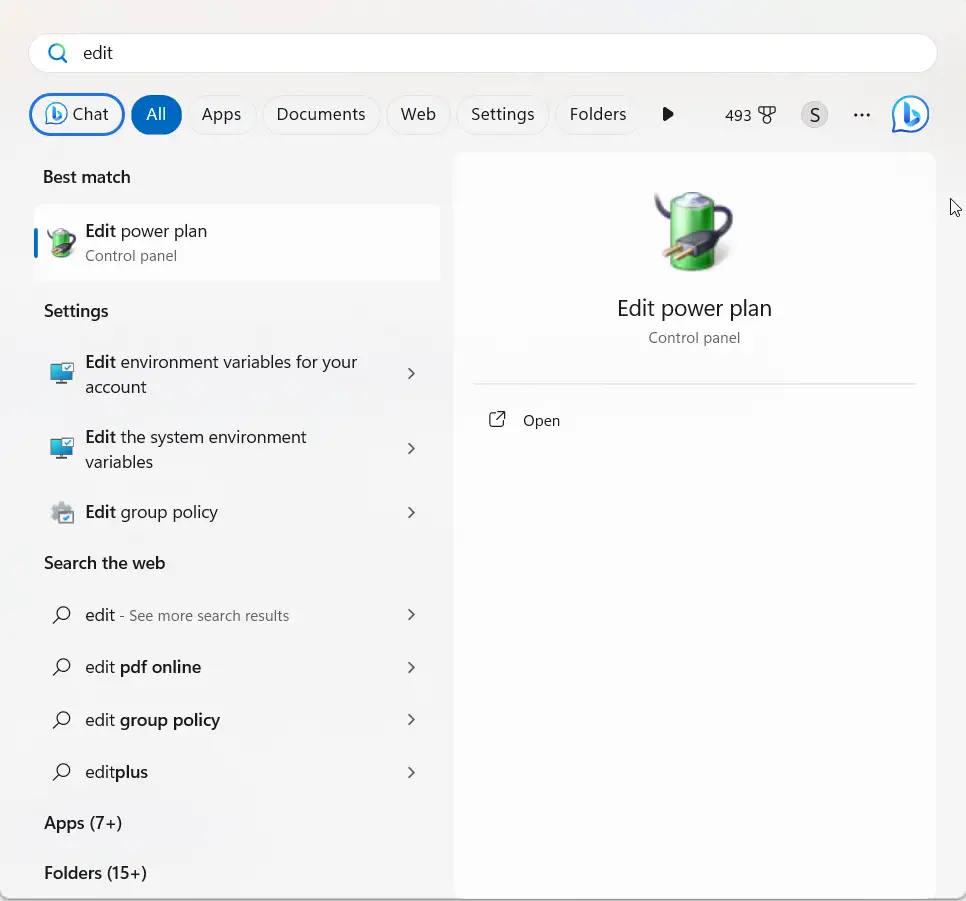
    1. Search “Edit Power Plan” in the Start menu > Power Options control panel.
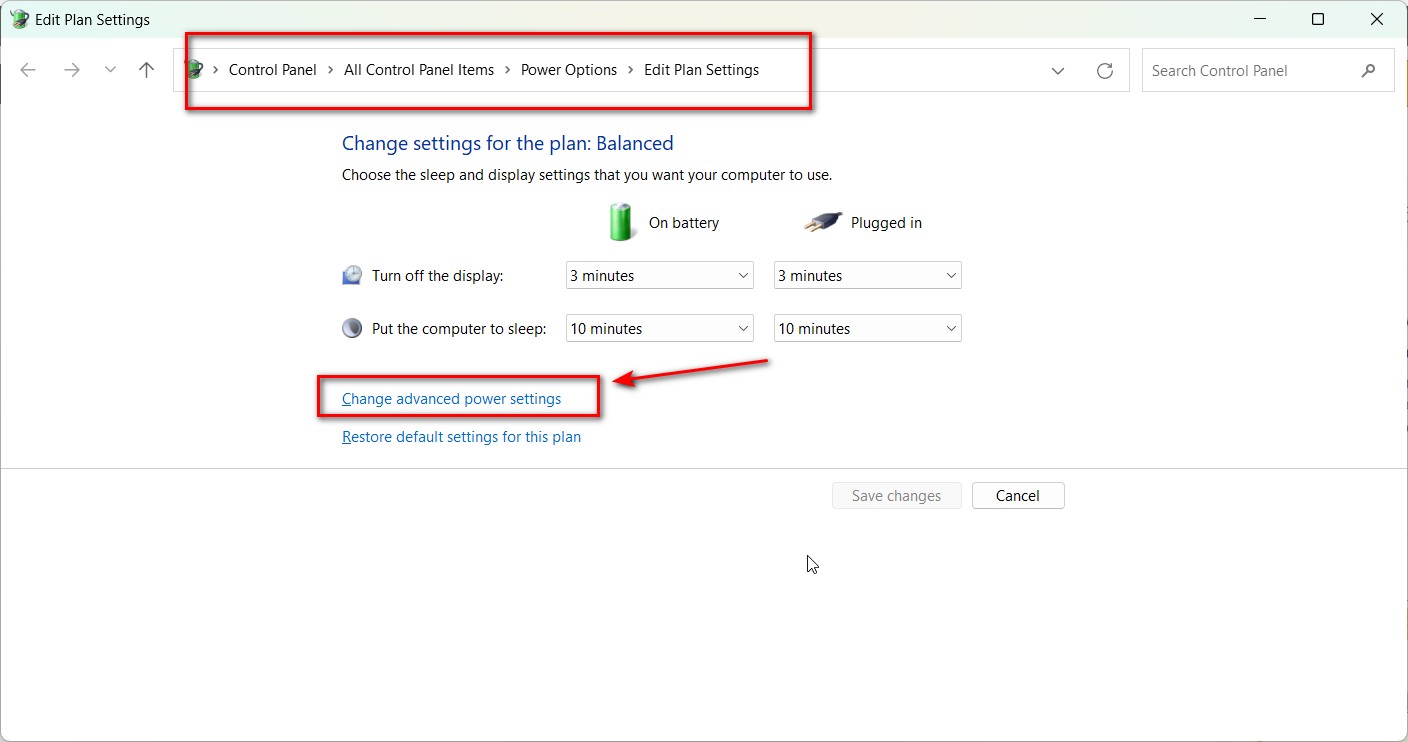
    2. Click Change advanced power settings.
    3. Customize:
      • Processor Power Management: Limit max CPU state to save power
      • Hard Disk: Set faster spin-down times
      • USB Settings: Enable selective suspend for USB devices
      • PCI Express: Enable Link State Power Management for power savings
      • Graphics Settings: Adjust GPU frame buffer compression to extend battery life

    Testing these can optimize your device further, adapting to your specific use case.

    FAQs About Changing Power and Sleep Settings in Windows 11

    How do I change the sleep timer in Windows 11?

    Go to Settings > System > Power & Battery and adjust Screen and Sleep options for battery and plugged-in modes.

    What is the most battery-efficient power mode?

    Best Power Efficiency mode conserves battery by limiting background activity and maximizing runtime.

    Can I create custom power plans?

    Yes, in Control Panel > Power Options, you can create and save custom power plans.

    Why is my PC not going to sleep?

    This could be due to outdated drivers, running background apps, or system settings blocking sleep.

    How can I manage apps running in the background for power saving?

    Use Settings > Apps to set background permission for individual apps to Power Optimized or Never.

    Why Power and Sleep Management Matters

    Modern Windows 11 power settings provide an array of modes like Energy Saver, Battery Saver, Performance Mode, and Efficiency Mode.

    These features let users prioritize battery savings, high performance, or a balanced approach.

    Adjusting sleep settings in Windows 11, or using hibernate versus sleep, directly affects both battery health and device responsiveness.

    Optimize Windows 11 battery life and extend battery life in Windows 11 by tuning these preferences according to use case.

    Key Features and Customization

    • Change Power and Sleep Settings in Windows 11:Go to Settings > System > Power & Battery, then adjust the screen and sleep timers for both the plugged-in and battery modes.
    • Adjust Battery Settings Windows 11: Use the Battery Saver under Power & battery for real-time energy savings, or set thresholds for automatic activation of energy-saving features.
    • Advanced Power Options Windows 11: Access additional controls via Control Panel’s Power Options to customize what happens when closing the lid, pressing power buttons, or creating custom power plans.
    • Windows 11 Storage Sense, Manage Background Apps Windows 11: Storage Sense frees disk space, and background app controls reduce background power consumption, further improving efficiency.
    • Best Power Settings for Gaming on Windows 11:High Performance or Gaming Power Mode disables aggressive power saving, ensuring optimal frame rates for gaming and content creation.
    • Performance Mode and Efficiency Mode: Choose Performance Mode for demanding tasks or Efficiency Mode for quiet, longer battery use.

    Troubleshooting and Optimization

    • Windows 11 Sleep Not Working: If sleep mode does not function as expected, update the drivers using Windows 11 Update Drivers and adjust the sleep or hibernate settings to achieve stable results.
    • Troubleshoot Battery Drain Windows 11: Identifying apps that consume excessive background power lets users manage or disable them—crucial for laptops and tablets.
    • Windows 11 Hibernate vs. Sleep: Hibernate saves power and retains work longer but takes more time to resume; Sleep wakes up quickly but uses more power in standby.

    Enhancing Energy Efficiency and Revenue

    By properly adjusting the power and sleep settings in Windows 11, you can save energy, boost performance, and make sure your device is ready for any task—whether it’s gaming or work—helping you be more efficient and potentially earn more.

    The Settings app provides easy access to the most important features, including the ability to adjust power and sleep settings.

    This tutorial will guide you through every step to adjust the power and sleep settings in Windows 11 and tweak the advanced power settings.

    power and sleep settings windows 11 1

    Step-by-Step Tutorial: How to Adjust Power and Sleep Settings in Windows 11

    Step 1: Open the Settings Menu

    To begin adjusting power and sleep settings, you’ll need to open the Settings app. To optimize your device, follow these steps:

    • Press the Windows key or click on the Start Menu.
    • Type “Settings” in the search bar and hit Enter, or use the shortcut Win + I to open the Settings app directly.
    adjust power and sleep settings in windows 11 app

    Step 2: Select “System.”

    Once you’re in the Settings menu, follow these instructions:

    • From the left-hand panel, click on System.
    • This section contains all system-related settings, including display, sound, and power.
    system windows 11 settings app

    Step 3: Go to “Power & Battery.”

    • Scroll down and select Power & Battery from the options.
    • This will take you to a page where you can customize your power preferences and monitor battery usage.
    power and battery settings windows 11

    Step 4: Adjust Power Mode

    Power mode settings allow you to choose between performance and energy efficiency. Here’s how to change the power mode:

    • In the Power & Battery section, locate the Power Mode dropdown menu.
    • You can choose from the following options:
      • Best Power Efficiency: Ideal for saving battery life.
      • It strikes a balance between performance and battery savings.
      • Best Performance: Maximizes performance at the cost of battery life.

    Step 5: Configure Sleep Settings

    Sleep settings determine when your device or screen will go to sleep. Make the following adjustments to these settings:

    • In the Power & Battery menu, find the Screen and Sleep section.
    • You can adjust the time settings for both battery-powered and plugged-in modes.
      • On battery power, turn off my screen after X minutes.
      • When plugged in, turn off my screen after X minutes.
      • On battery power, put my device to sleep after X minutes.
      • When plugged in, put my device to sleep after X minutes.

    From enabling hibernate mode to configuring sleep mode after a certain period of inactivity, we’ve included detailed instructions to help you save energy and keep your device running efficiently.

    Unlock Advanced Power Settings in Windows 11

    Need better control over your PC’s performance and battery life? Optimize efficiency by adjusting the advanced power settings in Windows 11. Access additional power settings in Windows 11 by navigating to Control Panel > Hardware and Sound > Power Options > Change plan settings > Change advanced power settings.

    Here, tweak processor power management in Windows 11 to balance performance and energy use. Explore advanced power options like display timeout, sleep modes, and USB selective suspend. To turn on power settings in Windows 11, select a high-performance or power-saving plan.

    While basic options like sleep timeouts and screen brightness can be configured directly in the Power Options control panel, Windows also provides more advanced power settings for fine-tuning specific hardware components.

    These advanced options give users granular control over power consumption and performance. By tweaking these hidden settings, you can optimize your Windows 11 device’s battery life, heat levels, and speed to suit your exact needs.

    Key Notes

    The advanced power options include different areas such as slowing down the processor, hard drive sleep settings, power states for PCI Express, USB power-saving features, and graphics card performance.

    Testing and iterative tuning while checking metrics like battery runtime and thermals is key to finding your PC’s optimal power configuration.

    You can create custom power plans to store groups of advanced settings for effortless mode switching.

    Accessing Advanced Power Settings

    Follow these steps to access the advanced options:

    edit power plan windows 11
    1. Open the Start menu and search for “Edit Power Plan.”
    2. Click on the top result to open the Power Options control panel
    3. On the right side, click “Change advanced power settings.”
    advaned power settings windows 11

    This will open up the Advanced settings window with a long list of expandable categories.

    Key Categories

    Understand the following important categories:

    • Processor power management: Control CPU throttling, performance boosting, and power-saving features.
    • Hard disk: Configure spin-down timeouts and sleep states for HDDs.
    • USB settings: Manage selective suspend and autonomous suspend for USB devices.
    • PCI Express: Change link state power management policy for PCIe devices.
    • Graphics settings: Configure frame buffer compression, GPU performance states, and more.

    Expand each category to see the available advanced options.

    Modifying Settings

    To change a setting, expand its parent category and click the plus (+) icon to expand the option:

    1. Locate the setting you want to configure
    2. Click directly on its row to expose a dropdown menu
    3. Select your desired value from the available choices

    For example, to enable PCI Express power savings:

    1. Expand “PCI Express.”
    2. Locate and expand “Link State Power Management.”
    3. Click on the setting and choose “Moderate power savings” or “Maximum power savings” from the menu

    Some settings have a text field instead of a dropdown menu. Enter your desired value manually, like changing GPU frame buffer compression from 0% to 30%.

    Link State Power Management is an advanced power setting that allows PCI Express devices like graphics cards, Wi-Fi cards, SSDs, etc. to enter very low power states when not in use. This saves electricity and reduces heat generation.

    Essentially, it allows these components to temporarily power down or “sleep” when idle. They then automatically switch back to an active, working power state when needed.

    Enabling Link State Management lets PCIe devices conserve more power but at the cost of slightly higher latency when waking back up from the low power state.

    So in summary, Link State Power Management gives users control over whether or not PCI Express devices in their system can dynamically power down to save energy when inactive or idle. It’s one of the many advanced configuration options helping optimize between power efficiency and active performance.

    Key Settings to Adjust

    Here are some important advanced power settings you may want to customize:

    • Processor > Maximum processor state: Limit CPU speed to save power on laptops
    • Display > Turn off after: Higher value to delay display shutdown
    • Sleep > Hibernate after: Lower time to hibernate instead of sleep
    • Hard disk > Turn off hard disk after: Faster spindown for power savings
    • PCI Express > Link State Power Management: Enable power savings for devices
    • Graphics settings > Frame buffer compression: Boost battery life with compression

    Finding More Options

    Many advanced settings are hidden by default. To unhide them:

    1. From the Power Options control panel, click “Choose what the power buttons do.”
    2. Click “Change settings that are currently unavailable.”
    3. New settings will now appear in the advanced menu!

    Now you can access the full range of advanced configuration options.

    Common questions about Windows 11 power settings

    How to Change When the Screen Should Turn Off on Windows 11

    Turning off your screen after a period of inactivity helps conserve energy and extends the overall lifespan of your device. To adjust these settings, follow these steps:

    • Open Settings > System > Power & Battery.
    • Scroll down to the Screen and Sleep section.
    • Here, you can set the desired time for the screen to turn off:
      • On battery power: Choose a shorter duration, such as 5 or 10 minutes, to save battery.
      • When plugged in: Opt for a longer duration, such as 15 or 30 minutes, depending on your usage.

    For instance, selecting 5 minutes on battery power and 15 minutes when plugged in strikes a satisfactory balance for most users. Adjusting these settings ensures the screen dims or powers off during inactivity, reducing energy consumption.

    How to Change When the Computer Should Enter Sleep Mode on Windows 11

    Sleep mode is a power-saving state that helps preserve your open applications while reducing power usage. Adjusting sleep mode settings can enhance convenience and efficiency. Here’s how to do it:

    • Navigate to Settings > System > Power & Battery.
    • In the Screen and Sleep section, find the sleep mode options.
    • Configure the following settings:
      • On battery power: Set a shorter sleep duration, such as 10 or 15 minutes, to conserve energy.
      • When plugged in: Choose a longer duration, like 30 minutes, to accommodate extended work sessions.

    For example, setting your laptop to enter sleep mode after 15 minutes of inactivity on battery power and 30 minutes when plugged in strikes a practical balance for both productivity and energy conservation. Sleep mode ensures your work remains saved without excessive energy use.

    screen off sleep hibernate windows 11 settings app

    How to Change Power Modes on Windows 11

    Windows 11 provides flexible power modes to suit different user requirements. These modes let you prioritize either performance or energy savings. Follow these steps to adjust power modes:

    • Open Settings > System > Power & Battery.
    • Under the Power Mode section, choose from the following options:
      • Best Power Efficiency: Minimizes energy usage and prolongs battery life.
      • Balanced: Strikes a compromise between performance and energy efficiency, ideal for everyday tasks.
      • Best Performance: Delivers maximum performance for resource-intensive activities like gaming or video editing.

    By selecting the appropriate power mode, you can tailor your device’s behavior to match your specific needs, whether it’s extended battery life or enhanced performance.

    power mode windows 11

    Why Adjust Power and Sleep Settings in Windows 11?

    Windows 11 offers flexible power management tailored to your usage—gaming, work, travel, or everyday tasks. Customizing power modes and sleep timers helps save energy, reduces hardware wear, and enhances performance based on your priorities.

    New Windows 11 features like Efficiency ModeStorage Sense, and advanced battery usage diagnostics empower you to get the most out of your device.

    Energy Saver, Storage Sense & Background App Management

    • Energy Saver Mode: Automatically limits background activity and dims display when battery is low.
    • Storage Sense: Manages disk cleanup and temp file deletion to improve performance and reduce power consumption.
    • Manage apps’ background activity in Settings > Apps > Installed apps > Advanced options. Set permissions to Power Optimized or Never for power savings.

    How to Enable Energy Saver on Windows 11

    Energy Saver is a built-in feature in Windows 11 designed to reduce energy consumption by lowering screen brightness and limiting background activity. Here’s how to enable it:

    Turn on Energy Saver Mode Manually

    • Navigate to Settings > System > Power & Battery.
    • In the Battery section, locate the Battery Saver toggle.
    • Switch it to On to activate Energy Saver manually.

    Turn on Energy Saver Mode. Automatically

    • Under the same Battery section, click on Battery Saver Settings.
    • Set Energy Saver to activate automatically when the battery level drops below a specified percentage (e.g., 20%).

    Using Energy Saver mode ensures that your device consumes less power, particularly when running on battery.

    energy saver mode windows 11

    Best Power Settings for Gaming Windows 11

    How to View Battery Usage on Windows 11

    Monitoring battery usage is crucial for identifying power-hungry apps and optimizing energy consumption. To view battery usage details:

    • Open Settings > System > Power & Battery.
    • Scroll down to the Battery Usage section.
    • Here, you’ll find:
      • Battery usage over time: A graphical representation of battery consumption.
      • Apps using battery: A detailed list of applications ranked by energy consumption.

    By reviewing this data, you can pinpoint apps or processes that may require adjustments, such as reducing their background activity.

    battery usage section windows 11

    How to Manage Apps’ Background Activities on Windows 11

    Background applications can significantly impact battery life by running processes even when not in active use. To manage their activity:

    • Open Settings > Apps > Installed Apps
    • Locate the app you wish to manage and click on Advanced Options.
    • Under Background App Permissions, select one of the following:
      • Always: Allows the app to run continuously in the background.
      • Power Optimized (recommended): Adjusts background activity based on your device’s power mode.
      • Never: Prevents the app from running in the background.

    Customizing these settings for individual apps can significantly enhance battery performance without compromising essential functionality.

    manage apps power options windows 11

    How to Enable Hibernation on Windows 11

    Hibernation is a useful feature that saves your open session to the hard drive and powers off the device, using minimal battery. Here’s how to enable it:

    Enable Hibernation

    • Open the Control Panel and go to Hardware and Sound > Power Options.
    • Click on Choose what the power buttons do.
    • Under Shutdown settings, check the box for Hibernate.

    Add Hibernation Option to Start Menu

    • Return to the Power Options menu.
    • Ensure the Hibernate option is selected under Start menu settings.
    • Click Save changes to enable the option.

    Hibernation is particularly beneficial for laptops, as it conserves power while preserving your work.

    How to Choose Action When Pressing Power Button on Windows 11

    You can customize the action triggered by pressing your device’s power button. To adjust this setting:

    • Open Control Panel > Hardware and Sound > Power Options.
    • Click on Choose what the power buttons do.
    • Select your preferred action from the dropdown menu:
      • Sleep
      • Hibernate
      • Shut Down
      • Do Nothing

    These settings allow you to streamline your device’s behavior based on your workflow.

    How to Choose Action When Closing Lid on Windows 11

    For laptop users, adjusting the lid-closing action can enhance convenience and battery management. Follow these steps:

    • Go to Control Panel > Hardware and Sound > Power Options.
    • Click Choose what closing the lid does.
    • Configure actions for both battery and plugged-in states, such as
      • Sleep
      • Hibernate
      • Do Nothing

    These options let you decide how your device responds when you close the lid, ensuring it aligns with your usage habits.

    How to Show or Hide Sleep Power Option in Start Menu on Windows 11

    If the Sleep option is missing or you want to hide it from the Start menu, here’s how:

    • Open Control Panel > Hardware and Sound > Power Options.
    • Click Choose what the power buttons do.
    • Under Shutdown settings, check or uncheck Sleep.

    This feature enables you to personalize the Start menu options according to your preferences.

    How to Manage Energy Recommendations on Windows 11

    Windows 11 provides energy-saving recommendations to help you optimize power usage. To access these settings, follow these steps:

    • Go to Settings > System > Power & Battery.
    • Scroll to the Battery Usage section to view suggestions.
    • Apply the recommended settings to enhance energy efficiency and device performance.

    How to Choose Action When Pressing Power Button on Windows 11

    You can customize what happens when you press the power button:

    • Go to Control Panel > Hardware and Sound > Power Options.
    • Click Choose what the power buttons do.
    • Select your preferred action: Sleep, Hibernate, Shut Down, or Do Nothing.

    How to Choose Action When Closing Lid on Windows 11

    For laptops, you can configure lid-closing actions:

    • Navigate to Control Panel > Hardware and Sound > Power Options.
    • Click Choose what closing the lid does.
    • Select options for battery and plugged-in modes, such as Sleep or Do Nothing.

    Tips for Adjusting Power and Sleep Settings in Windows 11

    Troubleshooting Common Sleep and Power Issues

    • Sleep mode not working? Check for driver updates and BIOS/UEFI settings.
    • If the display won’t turn off or PC won’t wake, try resetting the power plan or updating Windows 11.
    • Disable conflicting apps that prevent sleep mode.
    • Use Windows Update > Advanced options to ensure latest power management patches.

    Tips to Extend Battery Life and Improve Performance

    • Lower screen brightness or use adaptive brightness.
    • Turn off Wi-Fi/Bluetooth when not in use.
    • Disconnect external USB devices when idle.
    • Use Hibernate instead of Sleep for extended downtime.
    • Regularly update Windows and hardware drivers.

    Optimize Settings for Specific Scenarios

    1. Gaming: Use Best Performance mode to ensure smooth gameplay. This mode prioritizes performance by maximizing system resources and delivering the highest frame rates for demanding games. Make sure your device is plugged in during gaming sessions to avoid battery drain.
    2. Work: Select Balanced mode for efficiency and reliability. This mode strikes a perfect balance between performance and energy usage, ensuring a responsive system for multitasking while conserving battery life for prolonged productivity.
    3. Travel: Use the best power efficiency to extend battery life. This mode minimizes power consumption by reducing background activity, dimming the display, and optimizing system processes to help your device last longer on a single charge.

    General Tips for Better Battery Life

    • Reduce Screen Brightness: Lowering your screen brightness is one of the simplest ways to save power. Consider enabling adaptive brightness to automatically adjust to your surroundings.
    • Disable Unused Background Apps: Close applications you’re not actively using to prevent unnecessary energy consumption. Check background activity through Settings > Apps > Apps & Features.
    • Enable Energy Saver Mode: Activate Energy Saver mode to limit background processes and lower screen brightness automatically when your battery reaches a specified threshold.
    • Turn Off Wi-Fi and Bluetooth When Not in Use: Wireless connections have the potential to consume significant power. Disable Wi-Fi and Bluetooth in Settings > Network & Internet when they’re not needed.
    • Use Hibernate Instead of Sleep for Extended Periods: Hibernate consumes less power than sleep and is ideal for long downtimes. Enable this option through Control Panel > Power Options.
    • Keep Your Device Updated: Regularly update Windows 11 to ensure you’re using the latest optimizations and bug fixes for improved battery performance.
    • Unplug External Devices: Disconnect peripherals like external hard drives or USB devices when they’re not in use, as these can drain power unnecessarily.
    • Customize Power and Sleep Timers: Set shorter durations for screen timeout and sleep mode, especially when running on battery. Adjust these settings in Settings > System > Power & Battery > Screen and Sleep.
    • Monitor Battery Usage: Regularly review the Battery Usage section in Settings to identify apps or processes that consume the most energy and make adjustments accordingly.

    By implementing these tips, you can effectively extend the battery life of your Windows 11 device and optimize its performance for various scenarios.

    Frequently Asked Questions

    How Do I Access the Power and Sleep Settings in Windows 11?

    You can access these settings by navigating to Settings > System > Power & Battery.

    Can I Create a Custom Power Plan in Windows 11?

    Yes, you can create a custom power plan by following these steps:

    • Opening Control Panel > Hardware and Sound > Power Options.
    • Clicking on Create a Power Plan and customizing the settings.

    What’s the Best Power Setting for Gaming?

    The Best Performance mode is ideal for gaming, as it prioritizes performance over energy savings.

    How Can I Extend My Laptop’s Battery Life?

    • Lower screen brightness.
    • Limit background app activity.
    • Use Energy Saver mode.
    • Enable Hibernate instead of Sleep for longer downtimes.

    Why Does My Computer Go to Sleep Too Quickly?

    This issue occurs when sleep timers are set too low. Adjust them by going to Settings > System > Power & Battery > Screen and Sleep.

    By following this comprehensive guide, you can fully optimize the power and sleep settings on your Windows 11 device. Whether you’re looking to maximize performance, save energy, or extend battery life, these tips and steps will ensure your system is tailored to your needs.

  • USB ports are not working in Windows 11.  Here’s how to fix them

    USB ports are critical for connecting peripherals such as keyboards, mice, external data drives, and other devices to your computer. However, when USB port not working Windows 11, it can severely disrupt productivity. This issue is common and can stem from software glitches, power management settings, or even faulty hardware.

    In this article, we’ll explore original, fact-checked solutions to resolve USB port issues on Windows 11. Additionally, we’ll include insights from Microsoft forums, Reddit discussions, and expert advice to help you troubleshoot effectively. By the end, you’ll have all the tools needed to restore your USB ports and prevent future problems.

    Symptoms of USB Ports Malfunctioning on Windows 11

    Here are common signs that your USB ports may not be working:

    1. Plugging in USB devices does not detect them.
    2. USB devices intermittently disconnect or stop working.
    3. USB-C or USB-A ports fail to provide power to connected peripherals.
    4. Error messages such as “USB device not recognized” appear.
    5. USB devices work on other computers but not on your Windows 11 PC.

    If any of these symptoms sound familiar, continue reading for practical solutions tailored to Windows 11.

    Top Causes of USB Port Not Working Windows 11

    Before diving into solutions, it’s important to understand the possible causes:

    1. Outdated or Corrupted Drivers: Missing or corrupted USB drivers can prevent proper communication between your operating system and connected devices.
    2. Power Management Settings: Windows 11’s power-saving features, particularly in laptops, may disable USB ports.
    3. Faulty Hardware: Damaged USB ports or cables can lead to persistent failures.
    4. System Bugs: A recent Windows update or software bug can cause USB devices to stop working.
    5. Selective Suspend Feature: This Windows feature can suspend USB devices to save power but may fail to properly wake them.

    Fact-checked solutions to fix USB port issues on Windows 11

    Here are the most effective ways to resolve USB port issues, compiled from Microsoft support pages, Reddit discussions, and expert advice:

    Restart Your Computer

    A simple restart can often resolve temporary USB issues caused by software glitches. Restarting clears system processes and reinitializes hardware connections.

    Steps to Restart:

    1. Click the Start menu.
    2. Select Power, then choose Restart.
    3. After the computer restarts, reinsert your USB device and test the port.

    Reddit Insight: A user on r/Windows11 commented, “I restarted my PC after a USB-C hub failed, and everything worked fine afterward. It’s the easiest fix to try.”

    Test USB ports and devices.

    Before troubleshooting further, confirm whether the issue lies with the port, device, or cable:

    • Switch Ports: Plug the USB device into a different port on the same computer.
    • Test on Another Computer: Connect the USB device to a different computer to ensure it’s functional.
    • Check for Physical Damage: Inspect the USB port and cable for bent pins, debris, or wear and tear.

    If you find debris, turn off the computer and use a toothpick or compressed air to gently clean the port.

    Microsoft Forum Tip: A contributor noted, “Cleaning my USB-C port resolved my issue after my phone wouldn’t connect.”

    Use the Device Manager to scan for hardware changes.

    If USB ports stop responding after inserting or removing a device, scanning for hardware changes can reinitialize the connection.

    Steps:

    1. Press Windows + X and select Device Manager.
    2. Highlight your computer at the top of the list.
    3. Click Action > Scan for hardware changes.
    4. Reconnect your USB device and check if it works.

    Expert Comment: According to a Microsoft support engineer, “Scanning for hardware changes forces Windows to detect and reinstall lost or corrupted drivers.”

    Update or reinstall the USB drivers.

    Drivers are critical for USB ports to function correctly. Outdated or corrupt drivers can cause devices to stop working.

    usb driver update windows 11

    To Update USB Drivers:

    1. Open Device Manager.
    2. Expand Universal Serial Bus Controllers.
    3. Right-click a USB root hub or device and select Update Driver.
    4. Choose Search automatically for updated drivers.
    5. Restart your computer after updating.

    To Reinstall USB Drivers:

    1. Open Device Manager.
    2. Right-click the USB controller and select Uninstall Device.
    3. Restart your computer. Windows will automatically reinstall the driver.

    Reddit Feedback: “After a Windows 11 update messed things up, reinstalling drivers fixed my USB keyboard issue.”

    Disable USB Selective Suspend

    The USB Selective Suspend feature can disable ports to save power but sometimes causes devices to stay unresponsive.

    Steps to disable USB Selective Suspend:

    1. Press Windows + S and search for Control Panel.
    2. Navigate to Hardware and Sound > Power Options.
    3. Click on the “Change plan settings” button for your current power plan.
    4. Select Change advanced power settings.
    5. Expand USB settings and select the USB selective suspend setting.
    6. Both devices should be set on battery and plugged in to disable.
    7. Click Apply and restart your PC.

    Microsoft Forum Solution: A user reported, “Disabling Selective Suspend fixed my problem with USB devices disconnecting randomly.”

    usb selective suspend windows 11

    Reset the USB controllers.

    Resetting USB controllers can resolve software conflicts preventing USB devices from working.

    Steps:

    1. Open Device Manager.
    2. Expand Universal Serial Bus Controllers.
    3. Right-click each USB host controller and select “Uninstall Device.”
    4. Restart your computer. Windows will reinstall the USB controllers automatically.

    Pro Tip: This solution works well for intermittent USB port failures caused by driver conflicts.

    Update Windows 11.

    Windows updates often include patches for USB-related bugs. Keeping your system up to date ensures compatibility with connected devices.

    Steps:

    1. Press Windows + I to open Settings.
    2. Navigate to Windows Update and click Check for updates.
    3. If updates are available, install them and restart your PC.

    Reddit Insight: A user on r/WindowsHelp shared, “Updating Windows fixed my USB-C docking station issues after an OS upgrade.”

    usb port not working windows 11 update install

    5 FAQs About USB Ports Not Working on Windows 11

    1. Why are my USB ports not working after a Windows 11 update?

    USB ports may stop working after updates due to driver incompatibility. Reinstalling or updating USB drivers can resolve this issue.

    2. How do I fix USB ports that randomly stop working?

    Disable USB Selective Suspend in Power Options and update the USB drivers. These steps address power management and driver-related issues.

    3. Why does my USB-C port only transfer data but not charge devices?

    Some USB-C ports are data-only. Check your device’s specifications or look for a charging symbol next to the port.

    4. Can a faulty USB device damage my ports?

    Yes, a malfunctioning device can cause power surges or short circuits, which may render the port unresponsive. Disconnect such devices immediately.

    5. How can I prevent USB port issues in the future?

    Keep Windows and drivers updated, avoid overloading USB hubs, and handle devices carefully to prevent physical or software-related problems.

    Conclusion

    Windows 11 USB port issues can disrupt your workflow, but you can quickly resolve them with the right troubleshooting steps. Whether it’s restarting your PC, updating drivers, or disabling USB Selective Suspend, these solutions are effective and simple to implement.

    By combining insights from Microsoft support, Reddit forums, and expert advice, we’ve created a comprehensive guide to help you fix USB port malfunctions. We recommend professional assistance if the problem persists, as it may indicate a hardware failure.

    Take action today and restore the full functionality of your USB ports! With these steps, you’ll also prevent similar problems in the future.

  • Ultimate Guide to Fixing Slow Microsoft Store Updates

    The Microsoft Store update, which offers access to games, apps, and system updates, is a crucial component of the Windows ecosystem.

    But a typical issue that many users face is incredibly poor updating speeds. This problem interferes with production in addition to wasting time.

    If your Microsoft Store updates are taking a long time, don’t worry; this comprehensive tutorial offers special and doable fixes to resolve the issue permanently.
    However, slow download speeds are a common annoyance for users.

    Even with a steady and quick internet connection, the Microsoft Store can occasionally lag and have download speeds that seem to be stuck in a rut.

    Using information from Reddit, Microsoft forums, and trusted resources like Microsoft Answers and SuperUser, this guide offers original, doable fixes for sluggish Microsoft Store downloads.

    Why Are Microsoft Store Updates So Slow?

    Before jumping into the fixes, let’s understand the root causes behind slow updates on the Microsoft Store. Here are some common culprits:

    1. Unstable Network Connection: Download speeds can be hindered by a weak or inconsistent internet connection.
    2. Store App Cache Buildup: Over time, corruption can occur in the Microsoft Store’s cache, resulting in performance slowdowns.
    3. Windows System Glitches: Outdated Windows versions or missing system files can lead to performance issues.
    4. Background Network Usage: Apps running in the background may be hogging your bandwidth.
    5. Delivery Optimization Settings: Windows may throttle your download speeds due to limited bandwidth allocation.
    6. Antivirus and firewall interference can sometimes block or slow down downloads.

    Now that we know the causes, let’s explore the solutions.

    microsoft store update

    12 Proven Fixes to Speed Up Microsoft Store Updates

    Check and stabilize your Internet connection.

    A stable internet connection is crucial for rapid download speeds. Follow these steps to improve your network:

    • Restart Your Router: Power off your router, wait for a minute, and turn it back on. This often resolves temporary network lags.
    • Switch to Ethernet: If you’re on Wi-Fi, switch to a wired connection for more consistent speeds.
    • Test Your Internet Speed: Use a tool like Speedtest to check your connection. Ensure your speed matches what your internet service provider offers.
    • Disable VPN/Proxy: If you’re using a VPN or proxy server, disconnect it. These tools can slow down your internet connection.

    Reset the Microsoft Store Cache

    The Microsoft Store cache can accumulate junk data that slows down performance. Resetting it is a quick way to improve speeds.

    1. Press Win + R to open the Run dialog.
    2. Type wsreset and press Enter.
    3. A blank Command Prompt window will appear; wait for it to close automatically.
    4. Once done, the Microsoft Store will launch, and the cache will be cleared.

    Modify Delivery Optimization Settings

    The Windows Delivery Optimization feature controls the download of updates. Misconfigured settings can slow down your Microsoft Store updates. Here’s how to tweak them:

    1. Open Settings (Win + I).
    2. Navigate to System > Windows Update > Advanced Options > Delivery Optimization.
    3. Turn off the Allow downloads from other PCs feature.
    4. Click Advanced Options, then:
      • Enable Limit the amount of bandwidth that updates download in the background.
      • Increase the bandwidth allocation by adjusting the sliders.

    This ensures that Microsoft Store updates use more of your available internet speed.

    windows update delivery optimization

    Update Windows and the Microsoft Store

    Outdated software can cause compatibility issues and slow performance. Keep both Windows and the Microsoft Store up to date:

    • Update Windows:
      1. Go to Settings > Windows Update.
      2. Click on “Check for updates” and proceed to install any pending updates.
    • Update the Microsoft Store:
      1. Open the Microsoft Store.
      2. Click your profile icon in the top-right corner and select App settings.
      3. Enable app updates, then manually check for updates in the Library section.

    Temporarily Pause Background Activity

    Background apps consuming bandwidth can interfere with Microsoft Store updates. To free up bandwidth:

    • Pause Windows Updates:
      1. Open Settings > Windows Update.
      2. Click Pause to temporarily update.
    • Close Bandwidth-Heavy Apps:
      1. Press Ctrl + Shift + Esc to open Task Manager.
      2. End any tasks consuming excessive network resources, such as browsers, streaming apps, or torrent clients.

    Reinstall the Microsoft Store

    Reinstalling the Microsoft Store can fix a corrupted version. Here’s how:

    1. Open PowerShell as an administrator:
      • Press Win + X and select Windows Terminal (Admin).

    Uninstall the Microsoft Store by entering: 

    Get-AppxPackage Microsoft.WindowsStore | Remove-AppxPackage

    Reinstall it using the following command:

    Add-AppxPackage -register “C:\Program Files\WindowsApps\Microsoft.WindowsStore_8wekyb3d8bbwe\AppxManifest.xml” -DisableDevelopmentMode

    Restart your PC and reopen the Store.

    Run the Windows Store Troubleshooter.

    Windows includes a dedicated tool to diagnose and fix Microsoft Store problems:

    1. Open Settings (Win + I).
    2. Go to System > Troubleshoot > Other Troubleshooters.
    3. Find Windows Store Apps and click Run.
    4. Follow the on-screen instructions to resolve any detected issues.
    windows update troubleshooters

    Disable Metered Connection

    Windows limits download speeds on metered connections to save data. If this feature is enabled, turn it off.

    1. Open Settings > Network & Internet > Wi-Fi (or Ethernet).
    2. Select your network and disable Set as a metered connection.

    Switch to a Faster DNS Server

    Your DNS server may be slowing down your connection. Switching to a faster DNS provider, like Google DNS or Cloudflare, can improve download speeds:

    1. Press Win + R, type ncpa.cpl, and press Enter.
    2. Right-click your active network connection and select Properties.
    3. Choose Internet Protocol Version 4 (TCP/IPv4) and click Properties.
    4. Enter the following:
      • Preferred DNS server: 8.8.8.8
      • Alternate DNS server: 8.8.4.4 (Google DNS)
    5. Click OK and restart your connection.

    Scan for Malware and Security Software Interference

    Malware infections or overprotective antivirus programs can disrupt Microsoft Store downloads. Take the following steps:

    • Run a Malware Scan: Use Windows Security or a trusted third-party antivirus to perform a full system scan.
    • Temporarily Disable Antivirus/Firewall:
      1. Open your antivirus program and pause its real-time protection.
      2. Check if the Microsoft Store performs better.

    Create a New User Account

    If the problem is linked to your user profile, creating a new account can help:

    1. Open Settings > Accounts > Family & Other Users.
    2. Click Add account under Other users.
    3. Create a local account and log in.
    4. Open the Microsoft Store in the new account and test download speeds.

    Clear Disk Space

    Low disk space can slow down system performance, including the Microsoft Store. To free up space:

    1. Open Settings > System > Storage.
    2. Use the Storage Sense feature to delete unnecessary files automatically.
    3. Manually uninstall unused apps or games.

    Bonus Tips to Prevent Slow Microsoft Store Updates

    • Download During Off-Peak Hours: Internet speeds are generally faster during non-peak times.
    • Use a High-Speed Internet Plan: If your current plan is slow, consider upgrading.
    • Monitor Network Usage: Use tools like the Resource Monitor to track which apps are consuming bandwidth.

    Final Thoughts

    Slow Microsoft Store updates can be frustrating, but these solutions are designed to address the problem at its root. By optimizing your internet connection, tweaking system settings, and keeping your software up to date, you’ll enjoy faster downloads and a smoother experience.

    If the issue persists, don’t hesitate to reach out to Microsoft Support for additional help. With these tips, you’ll likely see a significant improvement in your Microsoft Store performance.

    Improve the above content to provide solutions to the above problem based on the 

    Insights from Microsoft and Reddit Forums

    Comments from Users:

    1. Microsoft Forum User:
      “Clearing the cache with wsreset fixed my issue instantly. It’s the simplest solution and works most of the time.”
    2. Reddit User:
      “Turning off Xbox Gaming Services finally resolved my problem after trying everything else. It was stuck in an update loop!”
    3. Microsoft Support Rep:
      “Ensure your regional settings match your Microsoft account. A mismatch can sometimes cause store issues.”
    4. Reddit Power User:
      “Delivery Optimization settings often throttle speeds. Maxing out the bandwidth sliders increased my download speed by 10x.”
    5. Forum Moderator:
      “A repair install is a last resort, but it works. It fixed all my store issues without affecting my files or apps.”

    FAQs

    1. Why is my Microsoft Store download speed so slow?

    Slow downloads can be caused by network issues, corrupted cache files, or bandwidth restrictions set by Windows.

    2. How can I clear the Microsoft Store cache?

    Run the wsreset command from the Run dialog box to clear the Store cache and improve performance.

    3. Can Xbox Gaming Services affect Microsoft Store speed?

    Yes, gaming services can conflict with the store and cause slowdowns. Uninstalling it often resolves the issue.

    4. What is Delivery Optimization in Windows?

    Delivery optimization manages bandwidth allocation for updates and apps. Increasing its limits can improve download speeds.

    5. Should I reinstall Windows to fix this issue?

    A Windows repair install is a non-invasive method to fix persistent Store issues without losing files or apps.

    By implementing these solutions and understanding the underlying causes of slow Microsoft Store downloads, you can ensure a faster, smoother experience. These strategies, combined with insights from forums and expert tools, will help your PC deliver the performance you expect.

  • How to Fix Windows 11 24H2 Update Errors: Comprehensive Solutions for a Smooth Upgrade

    The Windows 11 24H2 update, also known as the Windows 11 2024 update, has introduced exciting new features such as enhanced Copilot integration, improved Windows Studio effects, and updates to Microsoft Edge.

    Encountering a Windows 11 24H2 install error can be frustrating, especially when the update process gets stuck or fails unexpectedly.

    • According to Microsoft’s official documentation, common causes include incompatible drivers, insufficient storage, or corrupted system files. If your Windows 11 24H2 update failed, the first step is to ensure your device meets the minimum system requirements, including 64GB of storage and a compatible TPM 2.0 chip.
    • For users facing persistent Windows 11, version 24H2 issues, Microsoft has released a Windows 11 24H2 repair version designed to address installation problems. This repair version can be downloaded via the Media Creation Tool or the Windows Update Assistant, offering a streamlined way to resolve errors.
    • Experts recommend backing up your data before attempting a repair, as the process may involve reinstalling the OS. If your Windows 11 version 24H2 install stuck during the process, try booting into Safe Mode and running the Windows Update Troubleshooter.
    • For advanced users, using the Deployment Imaging Service and Management Tool (DISM) to repair the Windows image can be effective. Always refer to Microsoft’s official support pages for the latest guidance, ensuring a secure and error-free installation.

    The Windows 11 24H2 update errors are particularly frustrating because they can appear at different stages of the installation process.

    While some users check via the Windows Update release channel and find the update missing, others encounter critical failures such as error messages, a blue screen with an error, or the update stuck at a certain percentage during installation.

    For those running older versions like Windows 11 23H2 or even Windows 10, the upgrade process can be especially problematic due to compatibility issues with certain drivers, applications, or devices.

    Common Problems with the Windows 11 24H2 Update

    1. Many users report that the Windows Update release channel does not offer the update for Windows 11, often because of Microsoft’s staged rollout process or compatibility holds on specific devices.
    2. Error Messages During Installation: Users attempting to install the latest version often encounter error codes like 0x800f0922, 0x800f0991, or 0xC1900101, which indicate issues with drivers, disk space, or system files.
    3. Blue Screen Errors: A common complaint involves the infamous blue screen appearing during or after the update. Compatibility issues with Intel Smart Sound Technology drivers, Easy Anti-Cheat software, or outdated hardware often cause this.
    4. Update Stuck or Fails to Complete: Some users report the update freezing at specific percentages (e.g., 35% or 85%) or failing entirely, only to roll back to the previous version of Windows.
    5. Issues with External Devices: Compatibility issues or the inability to switch between eSCL mode and USB mode often cause devices, such as USB-connected scanners that support the eSCL scan protocol, to malfunction after an update.
    6. Incompatibility with Certain Applications: Applications like Google Workspace Sync, wallpaper customization tools, and older versions of the Safe Exam Browser have been reported as incompatible with Windows 11 24H2, causing crashes or failures to launch.
    7. Insufficient Disk Space: The update requires at least 64GB of free disk space, and devices with limited storage often face errors during the download or installation process.
    8. Driver Issues: Many users encounter incompatibility issues with certain drivers, such as those for graphics cards, network devices, or older peripherals, which can prevent the update from proceeding.
    9. Performance Issues Post-Update: After successfully installing the update, some users report problems such as unresponsive applications, Windows Hello failing, or lagging performance due to outdated or incompatible drivers.
    windows 11 24h2 update errors

    Practical Solutions to Windows 11 24H2 Update Errors

    Fortunately, troubleshooting steps, driver updates, and alternative installation methods like the Windows 11 Installation Assistant or the Media Creation Tool can resolve most of these issues.

    Microsoft and third-party communities have provided valuable insights into addressing these problems, ensuring that Windows 11 users can enjoy the latest updates without unnecessary delays.

    In this guide, we will walk you through unique, actionable fixes for each issue, including how to free up disk space, resolve driver version conflicts, and manually install the update while avoiding blue screen errors or compatibility holds.

    Whether you’re a home user or an IT administrator using Windows Update for Business reports, these solutions will help you successfully upgrade to version 24H2 using the Windows Update release channel or alternative methods.

    Fixes to Common Windows 11 24H2 Update

    Before diving into the solutions, let’s list the most frequent problems users face:

    1. Update not showing in Windows Update
    2. Error codes like 0x800f0922, 0x800f0991, or 0xC1900101
    3. The update is stuck at a specific percentage, such as 35% or 85%.
    4. The installation may encounter the Blue Screen of Death (BSOD).
    5. The installation process failed, leading to a rollback to the previous version.
    6. Compatibility issues with drivers or software
    7. Insufficient disk space warnings

    If you’ve faced any of these issues, don’t worry—we’ve got you covered.

    Check Windows 11 24H2 Update Availability

    Occasionally, Microsoft’s staged rollout process prevents the update from appearing under Settings > Windows Update. Here’s what you can do:

    • Manually checked for updates:
      • Go to Settings > Windows Update.
      • Click Check for updates. If your device is eligible, the “Download and Install” button should appear.
    • Use the Media Creation Tool:
    • Verify Your Device Compatibility:
      Ensure your device meets the minimum hardware requirements for Windows 11. Key requirements include TPM 2.0, Secure Boot, and a compatible CPU.

    Pro Tip: If the update still doesn’t appear, Microsoft might have applied a safeguard hold due to known compatibility issues. Check Windows 11 release health for updates.

    windows 11 update

    Free up disk space.

    Windows 11 24H2 requires at least 64GB of free disk space. If your drive is full, the update will fail. Follow these steps to clear space:

    • Run Disk Cleanup:
      • Press Win + R, type cleanmgr, and select OK.
      • Choose System Files and select unnecessary files (e.g., Temporary Files, Recycle Bin).
    • Use MiniTool System Booster:
      • MiniTool’s PC cleaner efficiently removes junk files, caches, and other unnecessary data.
    • Uninstall Unused Apps:
      • Go to Settings > Apps > Installed Apps and remove apps you no longer need.

    Reddit Tip: “I freed up 20GB by moving large files to an external drive. After that, the update installed smoothly.” – u/TechGeek84

    Disconnect External Devices

    External peripherals like USB drives, printers, or webcams can interfere with updates. Disconnect all devices except your keyboard and mouse, then try updating again.

    “I had an external hard drive plugged in during the update.” Disconnecting it resolved the issue instantly!” – User: JohnD123

    Run the Windows Update Troubleshooter.

    The built-in troubleshooter can detect and fix common update issues. Here’s how to use it:

    1. To access other troubleshooters, navigate to Settings > System > Troubleshoot.
    2. Find Windows Update and click Run.
    3. Follow on-screen instructions and retry the update.

    If the troubleshooter doesn’t work, move to the next solution.

    Repair Corrupted System Files (SFC and DISM)

    Corrupted system files can block updates. Use the SFC and DISM tools to repair your system:

    1. Open Command Prompt as an administrator.
    2. Run the following commands:

    sfc /scannow
    DISM /Online /Cleanup-Image /CheckHealth
    DISM /Online /Cleanup-Image /RestoreHealth

    After completing the scans, restart your PC and attempt the update again.

    Forum Insight: “Running DISM fixed a corrupted system file for me. The update worked right after.” – ElevenForum Member: Alice_WinFix

    Reset Windows Update Components

    If the update process is stuck or fails repeatedly, resetting the Windows Update components can resolve the issue:

    1. Open Command Prompt as an administrator.
    2. Stop the Windows Update services.

    net stop wuauserv
    net stop bits
    net stop cryptsvc

    Rename update folders:

    ren C:\Windows\SoftwareDistribution SoftwareDistribution.old
    ren C:\Windows\System32\catroot2 catroot2.old 

    Restart the services:

    net start wuauserv
    net start bits
    net start cryptsvc

    Retry the update.

    Update drivers.

    Outdated drivers, especially for graphics, audio, or network devices, can trigger errors like 0x800f0923. Update your drivers via Windows Update or the manufacturer’s website.

    • Steps to Update Drivers:
      • Open Device Manager (search in Start).
      • Right-click the problematic device and select Update Driver.
      • Choose Search automatically for drivers.

    Manually install the update (in the Microsoft Update Catalog).

    If Windows Update fails repeatedly, download the update manually:

    1. Visit the Microsoft Update Catalog.
    2. Search for “KB5046617” (or your update’s KB number).
    3. Download the file matching your system architecture (e.g., x64).
    4. Run the installer and follow the prompts.
    windows 11 24h2 update status

    Resolve Specific Error Codes

    Error Code: 0x800f0922.

    This error often occurs due to:

    • Insufficient space in the System Reserved Partition.
    • VPN interference.

    Fix:

    • Use third-party tools like MiniTool Partition Wizard to extend the System Reserved Partition.
    • Disconnect from your VPN and retry the update.

    Error Code: 0xC1900101.

    This generic error usually points to driver conflicts. Uninstall problematic drivers before retrying the update.

    1. Open Device Manager.
    2. Right-click the device causing the issue and select Uninstall Device.
    3. Restart your PC and retry the update.

    Pro Tip: If you can’t pinpoint the problematic driver, perform a clean boot to isolate the issue.

    Fix Blue Screen of Death (BSOD) Errors

    Some users report BSOD errors related to Intel Smart Sound Technology (SST) drivers or Easy Anti-Cheat software.

    Fix for Intel SST Drivers:

    • Update the driver to version 10.30.00.5714 or later.
    • Check for updates via Device Manager or the Intel website.

    Fix for Easy Anti-Cheat:

    • Update the affected game to include the latest Easy Anti-Cheat version.
    • If issues persist, uninstall the game temporarily.

    Perform a clean installation.

    If all else fails, perform a clean installation of Windows 11 24H2 using a bootable USB drive:

    1. Download the latest Windows 11 ISO from Microsoft.
    2. Create a bootable USB using tools like Rufus or the Media Creation Tool.
    3. Back up your data and perform a clean installation.

    Frequently Asked Questions (FAQs)

    Q1. Why is Windows 11 (24H2) not listed in Windows Update?

    A: Due to Microsoft’s phased rollout system, the update may not be available for your device yet. Check for compatibility holds or use the Media Creation Tool to upgrade.

    Q2. How do I fix an update stuck at 35%?

    A: Restart your PC, disconnect external devices, and free up disk space. Additionally, run the Windows Update Troubleshooter.

    Q3. Can I skip the 24H2 update?

    A: Yes but skipping feature updates may prevent you from accessing critical security patches and new features. We recommend installing updates whenever possible.

    Conclusion

    Windows 11 24H2 update errors can be frustrating, but with the right troubleshooting steps, you can resolve them and enjoy the new features. Start with basic fixes like freeing up disk space and running the troubleshooter. If problems persist, use advanced methods like resetting Windows Update components or manually installing the update.

    In conclusion, resolving a Windows 11 24H2 install error requires a systematic approach to identify and address the root cause. If your Windows 11 24H2 failed to install or the Windows 11 24H2 install failed, start by verifying your system’s compatibility and ensuring sufficient storage space.

    Microsoft’s official support site highlights that common errors like Windows 24H2 install error 0xc1900101 often stem from driver conflicts or corrupted system files.

    To tackle these issues, the Windows 11 repair version 24H2 is a valuable tool, offering a streamlined way to repair and reinstall the OS without losing data. For users experiencing Windows 11 version 24H2 issues, running the Windows Update Troubleshooter or using the DISM tool can help resolve underlying problems.

    Additionally, Microsoft frequently releases Windows 24H2 fixes through cumulative updates, so keeping your system up to date is crucial. If Windows 11 24H2 is not installing, consider creating a bootable USB drive with the latest ISO file to bypass update-related glitches.

    Always back up your data before attempting repairs, and consult Microsoft’s official documentation or trusted tech forums for expert insights. By following these steps, you can ensure a smoother installation process and minimize disruptions.

  • Windows 11 End of Life: Problems and Solutions You Need to Know

    Microsoft’s Windows 11, introduced on October 5, 2021, has been a game-changer in modern operating systems. With its sleek interface, integrated productivity tools, and robust security features, it quickly became the go-to for many users.

    However, like every version of Windows 11 end of life, it has a lifecycle. Based on official announcements, Windows 11 Home and Pro (22H2) will reach their end of support on October 8, 2024, leaving users with critical decisions to make. This article will explore the problems posed by Windows 11’s end-of-life and offer actionable solutions to ensure a seamless transition.

    What Does “End of Life” Mean for Windows 11?

    When Microsoft declares an operating system version as “end of life,” it means the company will no longer provide updates for that version. This includes:

    • Security Updates: Protection against new vulnerabilities such as malware, ransomware, and zero-day attacks will cease.
    • Feature Updates: Future improvements to functionality will no longer be available.
    • Technical Support: Users cannot rely on Microsoft for troubleshooting or issue resolution.

    For Windows 11 users, this poses significant risks, as outdated systems are prime targets for hackers, making the transition to newer versions or alternative solutions critical.

    windows 11 end of life solutions

    Problems with Windows 11 End of Life

    1. Compatibility issues with older hardware

    One of the most significant challenges is that many PCs running Windows 11 may fail to meet the stringent hardware requirements for future Windows updates. For instance, Windows 11 requires a TPM 2.0 chip, UEFI firmware, and Secure Boot, which older devices often lack.

    • Reddit Comment Insight: A user on r/Windows11 pointed out, “I just bought my PC three years ago, and now it’s no longer compatible with Windows 11 updates. Why is Microsoft pushing us to buy new hardware?”

    2. Security Risks for Unsupported Systems

    Once Windows 11 Home and Pro reach their end-of-support date, systems running these editions will become vulnerable to cyber threats. Users run the risk of exposure to malware, ransomware, and data breaches without regular patches.

    • Microsoft Forum Comment Insight: “Using an unsupported OS is like leaving your front door open in a storm. It’s just not safe.”

    3. Forced upgrades and costs.

    Microsoft has emphasized upgrading to newer versions of Windows or purchasing new PCs that meet compatibility requirements. However, for many users, this means significant expenses, as upgrading hardware or buying new systems can be costly.

    • ZDNet Insight: “Throwing away a perfectly functional PC simply because it doesn’t meet compatibility requirements is both wasteful and expensive.”

    4. Data Migration Challenges

    Updating to a newer operating system or moving to alternatives like Linux or ChromeOS Flex can result in significant data migration issues, especially for less tech-savvy users.

    5. Limited awareness and confusion.

    Many users remain unaware of the end-of-life timelines for Windows 11 or misunderstand the implications. This lack of awareness can leave systems vulnerable after support ends.

    win 11 eol releases

    Solutions to Address the Windows 11 End-of-Life Problems

    1. Upgrade to the latest Windows version.

    To stay supported, users can upgrade to the next supported Windows version. The Modern Lifecycle Policy states that Microsoft releases Windows 11 feature updates annually, providing support for 24 months for Home/Pro or 36 months for Enterprise/Education.

    • Steps to Upgrade:
      1. Check compatibility using the PC Health Check Tool.
      2. Ensure your PC meets the requirements (TPM 2.0, UEFI, Secure Boot).
      3. Use Windows Update to install the latest version, such as Windows 11 23H2.
    • EaseUS Insight: If your system doesn’t meet compatibility requirements, consider upgrading components such as the motherboard or processor to ensure compliance.

    2. Consider Extended Security Updates (ESUs)

    Microsoft offers Extended Security Updates (ESUs) for businesses and educational institutions, allowing continued security updates for an additional three years.

    • Cost Breakdown:
      • $30 per year for consumers.
      • ZDNet estimates that business customers will pay $427 over three years.

    While costly, this option is ideal for mission-critical systems that cannot be immediately replaced.

    3. Switch to alternative operating systems.

    For users unable to upgrade to a newer Windows version, switching to Linux or ChromeOS Flex can be a viable option.

    • Linux: Ideal for tech-savvy users, offering stability and security. Popular distributions like Ubuntu or Linux Mint are beginner-friendly.
    • ChromeOS Flex: A lightweight, cloud-focused OS from Google that works on older hardware. Before switching, check the compatibility list on Google’s Certified Models page.
    • Reddit Comment Insight: “I switched to Linux Mint after Windows 10 EOL, and it works flawlessly on my old PC. No regrets.”

    4. Optimize existing Windows 11 systems.

    If upgrading or switching isn’t feasible, you can optimize your current system to maximize its lifespan.

    A) Run antivirus software.

    Install reliable third-party antivirus solutions like Avast, Norton, or Malwarebytes to compensate for the lack of security updates after Windows 11 EOL.

    b) Partition management.

    Use tools like EaseUS Partition Master to free up space on your system drive and improve performance.

    c) Migrate to SSD

    Upgrading from an HDD to an SSD can significantly boost system performance. Tools like EaseUS Partition Master can help migrate your Windows 11 OS to a faster SSD.

    5. Plan for data backup and recovery.

    Make sure to backup all critical data before upgrading or transitioning. Use reliable backup solutions like EaseUS Todo Backup or OneDrive to secure your files.

    Steps for Backup:

    1. Connect an external drive or use a cloud service.
    2. Create a system image using Windows Backup or third-party tools.
    3. Verify the integrity of your backups.

    6. Stay Informed About Lifecycle Policies

    Microsoft provides detailed documentation about end-of-support dates and lifecycle policies. Regularly check the Microsoft Lifecycle FAQ or subscribe to updates to stay informed.

    Why Awareness is Crucial

    A significant issue highlighted in forums and articles is the lack of awareness about Windows 11’s end-of-life timelines. Many users are unaware of the risks of using unsupported systems, leading to potential data breaches and system failures. Microsoft, EaseUS, and other resources emphasize educating users about these timelines and providing tools to help them transition smoothly.

    • Reddit Comment Insight: “I didn’t even realize my Windows 11 version was nearing EOL until I saw a notification. Microsoft needs to make this clearer.”

    Key Takeaways for Businesses and Individuals

    For businesses, the stakes are higher. Unsupported systems can lead to compliance issues, data breaches, and operational downtime. Enterprises should leverage tools like Lansweeper’s Windows 11 EOL Audit Report to identify devices nearing end-of-life and plan upgrades accordingly.

    For individual users, staying updated with the latest Windows version or exploring alternatives ensures long-term productivity and security.

    The future of Windows 11 and beyond

    Industry experts predict that Windows 11 will follow the 10-year lifecycle of previous versions, even though it does not yet have an official end-of-support date. If users stay updated with feature releases, we could potentially support Windows 11 as a whole until 2031 or beyond.

    Microsoft is also rumored to be working on Windows 12, expected to bring further innovations like AI integration and enhanced security. Users should prepare for a potential transition to this next OS in the coming years.

    Conclusion

    The end-of-life announcement for Windows 11 Home and Pro (22H2) prompts users to take proactive measures to safeguard their systems. Whether you choose to upgrade, switch to a different OS, or optimize your existing system, planning ahead is crucial. With tools like EaseUS Partition Master, Lansweeper Audit Reports, and Microsoft’s resources, navigating this transition can be seamless.

    By staying informed and prepared, you can ensure your system remains secure and productive, even as Windows 11’s lifecycle evolves.

    Five User Comments from Forums

    1. Reddit User (r/Windows11): “Microsoft’s hardware requirements are ridiculous. I’ll just stick with Linux.”
    2. Microsoft Forum User: “Upgrading my SSD and enabling TPM saved me from purchasing a new PC.”
    3. Reddit User: “Why should I pay for ESUs? Microsoft should provide free updates to older systems.”
    4. The EaseUS Blog commented, “Migrating to SSD made my old Windows 11 PC feel brand new.”
    5. The Lansweeper Blog commented, “Their EOL Audit Report helped us identify at-risk systems across our organization.”

    By implementing the above solutions and staying informed, users can navigate Windows 11’s end-of-life challenges effectively and ensure uninterrupted productivity.

  • How to Fix Windows 11 Clipboard History Not Working After the 2024 Update

    The Clipboard History feature in Windows 11 is a productivity powerhouse. It enables users to effortlessly copy and manage multiple text snippets, images, and more, accessed quickly with the Windows key + V shortcut. However, after the 2024 24H2 update, many users have reported a frustrating bug: Windows 11 clipboard problem.

    Instead of seeing the usual list of recently copied items, users are greeted with the message: “You’ll see clipboard history here once you’ve copied something,” even after copying multiple items. This bug has inconvenienced users who rely on the feature for multitasking and workflow efficiency.

    Copy and paste is a fundamental feature in Windows 11, and its failure can disrupt productivity significantly. Whether it’s shortcuts like Ctrl + C and Ctrl + V not working, clipboard history being inaccessible, or copy-paste functionality breaking entirely, this issue has left many users frustrated.

    In this guide, we’ll provide unique, actionable, and fact-checked solutions to resolve copy-and-paste issues in Windows 11. We’ve incorporated insights from Reddit discussionsMicrosoft forums, and trusted sources to ensure a comprehensive approach.

    What Is Clipboard History and Why Is It Important?

    Clipboard History, introduced in Windows 10 and improved in Windows 11, lets users store and retrieve a history of copied items. By pressing Windows key + V, you can access your clipboard history, making it easy to paste items you copied earlier, whether it’s text, images, or links. This feature is a lifesaver for anyone who works with multiple documents, emails, or creative projects.

    However, after installing the 24H2 update, many users reported that Clipboard History no longer works. Instead of showing a list of copied items, a message reads: “You’ll see clipboard history here once you’ve copied something,” even after copying content.

    This bug was flagged months ago by Windows Insiders during testing, but unfortunately, it wasn’t addressed before the update was rolled out. Now, users are left searching for solutions.

    Common Causes of Copy and Paste Issues

    Before diving into the solutions, it’s important to understand what might be causing the problem:

    1. Clipboard Data Corruption: Temporary glitches or large clipboard history can disrupt functionality.
    2. Conflicting Applications: Third-party clipboard managers or background apps may interfere with clipboard operations.
    3. System Bugs: Updates like Windows 11 24H2 have introduced bugs that break features like clipboard history.
    4. Hardware Problems: Faulty keyboards or mouse devices can cause shortcut commands to fail.
    5. Corrupted System Files: Essential system files that power clipboard operations may be damaged.
    6. Remote Desktop Issues: When using rdpclip.exe during remote desktop sessions, clipboard synchronization can fail.

    Now that we know the causes, let’s explore the fixes.

    Why Does Copy and Paste Stop Working in Windows 11?

    Before diving into solutions, it’s essential to identify the potential causes:

    1. Clipboard Corruption: Temporary glitches or conflicting data stored in the clipboard.
    2. Third-Party App Conflicts: Background apps or clipboard managers interfering with Windows’ clipboard.
    3. System Updates: Bugs introduced by updates like Windows 11 24H2, as widely reported on Reddit.
    4. Hardware Issues: Faulty keyboards or mice causing shortcut failures.
    5. Corrupted System Files: System components required for clipboard functionality may be damaged.
    6. Remote Desktop Problems: Clipboard synchronization failing during remote desktop sessions.

    Solutions to Fix Clipboard History Not Working

    Here are several troubleshooting steps you can follow to resolve the Clipboard History issue in Windows 11:

    windows 11 clipboard problem fix

    1. Toggle Clipboard History Off and On

    • One of the simplest fixes is to disable and then re-enable Clipboard History. Here’s how:
      1. Open Settings by pressing Windows key + I.
      2. Go to System > Clipboard.
      3. Locate the Clipboard history toggle and turn it off.
      4. Wait for a few seconds, then turn it back on.

    This process refreshes the clipboard settings and often resolves minor glitches.

    2. Restart Clipboard History Across Devices

    • If you use the clipboard sync feature to share your clipboard across devices, this could also be contributing to the issue. To reset this feature:
      1. In the same Clipboard settings menu, find the toggle for Sync across devices.
      2. Turn this feature off and then back on.
      3. Ensure that you’re signed in with your Microsoft account for this feature to work properly.

    After toggling these options, try copying and pasting text to see if the Clipboard History appears.

    3. Disable and Re-Enable Suggested Actions

    • The Clipboard History bug might be linked to the Suggested Actions feature, which provides context-sensitive options when you copy certain content (like dates or phone numbers). To troubleshoot:
      1. Open Settings and go to System > Clipboard.
      2. Locate the toggle for Suggested actions and turn it off.
      3. Use the Windows key + V shortcut to check if Clipboard History works now.
      4. If it works, you can turn Suggested actions back on (if needed).

    4. Use the Clipboard Shortcut

    • Sometimes, the Clipboard History feature might not appear simply because it wasn’t invoked properly. Instead of relying on automatic functionality, manually trigger the clipboard by:
      1. Pressing Windows key + V.
      2. If prompted, click Turn on Clipboard History.
      3. Test the feature by copying text or images and checking if they appear in the history.

    This step ensures that the feature is explicitly activated.

    5. Clear Temporary Cache Files

    • Corrupted cache files from the recent update could be causing the issue. Clearing your temporary files can help resolve this:
      1. Press Windows key + R to open the Run dialog box.
      2. Type temp and press Enter.
      3. Delete all files in the folder (some may require admin permissions or be in use).
      4. Open the Run dialog again and type %temp%, then delete these files as well.
      5. Restart your computer and check if Clipboard History works.

    6. Reset Windows Clipboard Settings via Registry

    • Advanced users can reset Clipboard History by modifying the Windows Registry. Caution: Back up your registry before making changes.
      1. Press Windows key + R, type regedit, and press Enter.
      2. Navigate to the following path:
        HKEY_LOCAL_MACHINE\SOFTWARE\Microsoft\Clipboard
      3. Delete any entries related to Clipboard History.
      4. Restart your computer and re-enable Clipboard History in the settings.

    This step resets the clipboard settings to their default state.

    windows 11 clipboar problem registry

    8. Restart Clipboard Services Using Task Manager

    Sometimes, system services tied to the clipboard stop functioning correctly. Restarting these services might fix the issue.

    1. Press Ctrl + Shift + Esc to open Task Manager.
    2. Navigate to the Processes tab.
    3. Look for rdpclip.exe (Remote Desktop Clipboard process) or any clipboard-related process.
    4. Right-click and select End Task.
    5. Restart your computer and try copying and pasting again.

    This method refreshes clipboard-related services and resolves temporary glitches.

    9. Manually Clear Clipboard Data

    A cluttered clipboard cache can sometimes lead to problems. Clearing it manually can resolve the issue.

    1. Press Windows key + R to open the Run dialog.
    2. Type cmd and press Ctrl + Shift + Enter to open Command Prompt with admin privileges.

    Run the following command to clear the clipboard:

    echo off | clip  

    This command wipes all cached clipboard content, giving it a fresh start.

    10. Reconfigure Clipboard History in Group Policy Editor

    If you’re using Windows 11 Pro or Enterprise, you can enable Clipboard History through the Group Policy Editor.

    1. Press Windows key + R, type gpedit.msc, and press Enter.
    2. Navigate to:
      Computer Configuration > Administrative Templates > System > OS Policies.
    3. Double-click on Allow Clipboard History and set it to Enabled.
    4. Click Apply, then OK.
    5. Restart your computer.

    This ensures your system permissions allow Clipboard History to operate properly.

    win 11 clipboard group policy

    11. Run Windows Clipboard Troubleshooter

    While Windows doesn’t have a dedicated troubleshooter for Clipboard History, you can use the System Maintenance Troubleshooter to fix underlying system issues.

    1. Press Windows key + S and search for Control Panel.
    2. Navigate to System and Security > Troubleshooting > System Maintenance.
    3. Run the troubleshooter and follow the on-screen prompts.

    This tool repairs system settings that might indirectly affect Clipboard History.

    12. Rebuild Clipboard History Using PowerShell

    You can use PowerShell to reset Clipboard History functionality.

    1. Press Windows key + X and select Windows Terminal (Admin).

    Run the following command to re-register clipboard components:

    Get-AppXPackage -AllUsers | Foreach {Add-AppxPackage -DisableDevelopmentMode -Register “$($_.InstallLocation)\AppXManifest.xml”}  

    This command resets Windows apps and services, including clipboard functionality.

    13. Update Windows

    Microsoft frequently patches bugs through updates. If the issue is caused by a known bug in a recent update, a new patch might resolve it.

    • Press Win + I to open Settings.
    • Navigate to Windows Update and click Check for updates.
    • Install all pending updates and restart your PC.

    One user on the Microsoft Answers forum noted that their copy-paste issue was resolved after installing the latest cumulative update.

    14. Repair System Files with SFC and DISM

    Corrupted system files can break clipboard functionality. Use the System File Checker (SFC) and Deployment Image Servicing and Management (DISM) tools to repair them.

    1. Open Command Prompt as Administrator (Win + S, type cmd, right-click, and select Run as administrator).

    Run the following commands:

    DISM /Online /Cleanup-Image /RestoreHealth

    sfc /scannow  

    After completing the scans, restart your computer. This method has resolved clipboard issues for many users.

    15. Disable Third-Party Clipboard Managers

    If you’re using a third-party clipboard manager, it may conflict with Windows’ native clipboard.

    • Open Task Manager, locate the app under the Processes tab, and click End Task.
    • Uninstall the app via Settings > Apps > Installed apps.

    Reddit users have pointed out that apps like Ditto and ClipboardFusion can cause conflicts if not updated.

    Insights from Reddit and Microsoft Forums

    Here are some real-world comments from Reddit and Microsoft Answers forums:

    1. Reddit User @TechFixer: “Clearing clipboard history worked for me after the 24H2 update broke copy-paste!”
    2. Reddit User @WinHelpPro: “Disabling third-party clipboard apps like Ditto instantly resolved my issue.”
    3. Microsoft Answers User @LisaM: “Updating to the latest Windows patch was the fix for me. It seems Microsoft fixed the clipboard bug.”
    4. Reddit User @RemoteWorker: “Restarting the rdpclip.exe process resolved my clipboard issues during remote desktop sessions.”
    5. Microsoft Answers User @JamesP: “Running SFC and DISM commands fixed my clipboard problem after a corrupted Windows update.”

    Prevent Future Clipboard Issues

    To avoid clipboard-related problems in the future, consider these preventive measures:

    1. Keep Windows Updated: Regularly install updates to benefit from bug fixes and improvements.
    2. Use Reliable Antivirus Software: Ensure your security tools don’t block essential Windows features.
    3. Regularly Clear Your Clipboard: Periodically clear clipboard data to avoid glitches.
    4. Backup Your System: Have a restore point ready before major updates.

    Final Thoughts

    The Clipboard History feature is a crucial productivity tool for many Windows 11 users, and its sudden malfunction after the 24H2 update is understandably frustrating. While Microsoft is likely working on a permanent fix, the solutions outlined above should help you restore Clipboard History functionality in the meantime.

    Whether it’s restarting clipboard services, tweaking registry settings, or leveraging third-party tools, these unique approaches can help you get back to work without unnecessary delays.

    With these actionable fixes, you should be able to resolve the Clipboard History issue and continue enjoying all the benefits Windows 11 has to offer. Stay tuned for updates from Microsoft, and in the meantime, keep experimenting with the tips mentioned above!

  • Fix “Your Browser is Managed by Your Organization” in Microsoft Edge

    If you’ve recently noticed the message “Your browser is managed by your organization” in Microsoft Edge, you’re not alone. This notification typically appears when your browser settings are being controlled by an organization, such as your workplace, school, or IT administrator.

    According to Microsoft’s official documentation, this feature is part of Edge’s enterprise management capabilities, allowing organizations to enforce policies, manage updates, and configure security settings to ensure compliance and protect sensitive data.

    For instance, your organization might restrict access to certain websites, enforce password policies, or disable specific extensions to maintain a secure browsing environment.

    While this message can be concerning for individual users, it’s important to understand that it’s not a sign of malware or unauthorized access.

    Instead, it reflects the use of Group Policy or Mobile Device Management (MDM) tools to manage Microsoft Edge settings. If you’re using a work or school device, this is standard practice.

    However, if you’re on a personal device and see the message “Edge managed by your organization”, it’s worth checking your system’s policies or consulting your IT department.

    By addressing this proactively, you can ensure your browsing experience remains secure and aligned with organizational requirements. For more insights, Microsoft’s support page offers detailed guidance on managing browser policies effectively.

    Why Does This Happen?

    The message suggests that browser settings are controlled by group policies. While these can be set by IT teams, software or configurations can also trigger them unintentionally.

    Causes, Conflicts, and Common Error Messages of “Your Browser is Managed by Your Organization” in Microsoft Edge

    The “Your browser is managed by your organization” message in Microsoft Edge can be confusing, especially if you’re using a personal device. This message typically appears when certain policies are applied to Edge, indicating external control over the browser settings. Here’s a breakdown of what causes this, conflicts that may arise, and common error messages associated with it.

    Causes:

    1. Group Policies: Organizations often use group policies to configure browsers for security, user restrictions, or custom settings. Even if the device isn’t work-issued, past configurations or software can introduce these settings.
    2. Software Installations: Some third-party software, particularly antivirus programs or extensions, can modify Edge settings, causing policy changes.
    3. Malware: Malware can exploit browser configurations, causing the system to display this message by enforcing policies without user consent.

    Conflicts:

    1. Restriction of Features: Policies can disable features like changing default search engines, preventing installations of specific extensions, or blocking access to certain settings.
    2. Browser Performance: Unwanted policies might cause performance issues, slowdowns, or frequent crashes.
    3. Privacy Concerns: Users may feel that their browsing is being monitored or controlled, leading to security concerns.

    Common Error Messages:

    1. “Some settings are managed by your organization.”
    2. “Your browser is managed by your organization.”
    3. “This setting is enforced by your administrator.”

    Understanding the causes and conflicts can help identify the best solutions to remove unwanted configurations and restore full control over Edge.

    Solution 1: Check Group Policies

    1. Press Windows + R, type gpedit.msc, and hit Enter.
    2. Navigate to Computer Configuration > Administrative Templates > Windows Components > Microsoft Edge.
    3. Identify and disable any policies managing Edge.
    Your Browser is Managed by Your Organization in Microsoft Edge solution windows 11

    Solution 2: Remove Configuration Profiles

    1. Go to Settings > Accounts > Access work or school.
    2. Disconnect any accounts applying policies.
    edge error policies settings windows 11

    Solution 3: Reset Browser Settings – Your Browser is Managed by Your Organization

    1. Open Edge settings > Reset Settings.
    2. Click on Restore settings to their default values and confirm.

    Solution 4: Use Registry Editor to Remove Policies

    1. Press Windows + R, type regedit, and hit Enter.
    2. Navigate to HKEY_CURRENT_USER\Software\Microsoft\Edge.
    3. You can check relevant registry entries and add any if necessary.
    4. Delete unwanted keys affecting the browser. (Back up the registry first!)
    regedit solution edge settings disabled

    Solution 5: Scan for Malware or Unwanted Software

    1. Use Windows Defender or trusted antivirus software.
    2. Perform a full scan to detect any malicious software that could affect your browser.

    Solution: Remove Malware and Policies from Microsoft Edge (Windows 11 Home)

    Solution 6: Delete Registry Keys via Command Prompt

    Step 1: Remove Malware

    1. Use Microsoft Safety Scanner or another trusted antivirus tool.
    2. Perform a full system scan to ensure your system is clean.

    Step 2: Remove Edge Policies

    1. Close Edge completely:
    • Open Task Manager and end any remaining msedge.exe processes.
    1. Open Command Prompt as Administrator:
    • Right-click Start, select Run, type cmd, and press Ctrl + Shift + Enter.
    1. Delete Local User Policies:
    • Type: reg delete HKCU\SOFTWARE\Policies\Microsoft\Edge and press Enter.
    • Confirm successful operation.
    1. Delete Local Machine Policies:
    • Type: reg delete HKLM\SOFTWARE\Policies\Microsoft\Edge and press Enter.
    1. Restart Edge and System:
    • Close Command Prompt, restart your computer, and relaunch Edge to check if the issue is resolved.

    Sometimes the first command may not work, but you can continue with the second command. This worked on my Windows 11 Home edition. I was able to get the disabled settings back. Then I am able to control the Copilot feature settings.

    Solution 7: Disable Extensions and Add-ons

    1. Go to Edge settings > Extensions.
    2. Disable any unnecessary or suspicious extensions that might interfere with settings.

    Comments from Microsoft Forums

    • “After disconnecting my work account from ‘Access work or school,’ the message finally disappeared.” – Microsoft Community User
    • “A quick reset of Edge worked for me, and I didn’t lose any essential data.” – Tech Enthusiast
    • “Modifying the registry fixed my issue but be careful—back up your system!” – Forum Member

    Conclusion

    In conclusion, encountering the message “Your browser is managed by your organization” in Microsoft Edge is a common scenario for users on work or school devices, as it indicates that an IT administrator is controlling browser settings via Group Policy or MDM tools.

    This feature ensures compliance, enhances security, and streamlines browser management across organizations. However, if you see “Edge says managed by your organization” on a personal device, it may signal unintended policy enforcement.

    To address this, you can check your device’s policies or consult your IT department to determine the source of the management.

    For users looking to regain control, options like “remove Edge managed by your organization” involve reviewing and modifying registry settings or Group Policy configurations, though this should be done cautiously to avoid system conflicts.

    It’s also worth noting that certain features may display the message “This setting is turned off for managed browsers”, which means your organization has restricted access to specific configurations.

    By understanding the implications of managed browsers and taking informed steps, you can maintain a secure and personalized browsing experience while adhering to organizational requirements.

    Always prioritize consulting IT experts or official resources to ensure compliance and avoid unintended disruptions.

    For Windows 11 Home users, command prompt adjustments can be useful. Share other methods that worked for you in the comments below!

    Source: Why is Edge saying ‘Your browser is managed by your organization’? – Microsoft Community

  • 4 Simple Ways to Disable Copilot in Edge after 24H2 update

    Microsoft Edge’s Copilot feature, powered by AI, offers users a range of intelligent tools to enhance productivity.

    However, not everyone finds it useful, and some may prefer to disable Copilot in Edge for reasons such as privacy concerns, reducing distractions, or optimizing system performance.

    If you’re looking to turn off Copilot in Edge, there are several methods to achieve this, depending on your technical expertise and requirements.

    For individual users, disabling the feature can be done directly through Edge’s settings. Advanced users or IT administrators can disable Copilot in Edge GPO (Group Policy Object) or modify the disable Copilot in Edge registry settings for broader control across multiple devices.

    These methods ensure that the feature is fully deactivated, whether you’re using Edge on a personal device or managing it in an enterprise environment.

    If you’re searching for ways to remove Copilot from Edge, this guide will walk you through step-by-step instructions, including how to désactiver Copilot Edge for French-speaking users.

    We have already discussed on how to disable copilot in Windows 11, and it works for the entire OS. Most of the times, the settings app comes to the rescue to uninstall, remove, disable any particular feature. In the same way, you can remove CoPilot from Edge for the system or user using different methods like registry, GPO and settings.

    I’ve updated the guide after the release of Windows 11 24H2 update. The screenshots are taken new.

    My initial problem was to remove CoPilot for Windows 11 Home! But as I see GPO doesn’t work for home edition. In that case, you can follow the steps in this guide, to disable this AI feature.

    How to Remove Copilot from Bing Search in Edge

    If you want to remove the Copilot AI from your Microsoft Edge browser, follow these simple steps:

    • Open Microsoft Edge on your PC.
    • Perform any search to load the Bing search results page.
    • Click the three-line menu button located in the upper-right corner of the browser.
    bing search settings
    • In the Copilot Settings section, toggle off “Copilot response on result page“.
    copilot settings bing search edge
    • Wait for the browser to refresh.
    • Click the three-line button again, and toggle off “Scroll to open Copilot” to prevent Copilot from automatically opening.
    • By following these steps, you can successfully remove the Copilot AI from your Edge browser and enjoy an uninterrupted browsing experience.

    How to Remove Copilot from Edge Using Registry Settings

    Microsoft’s Copilot AI has become a part of the Windows and Edge experience, but not everyone is happy with it. If you’re looking for a more permanent way to remove Copilot from Edge and Windows, modifying the registry is the most efficient method. In this guide, we’ll walk you through the necessary steps to disable Copilot in both Microsoft Edge and Windows using Registry Editor.

    Important: Editing the registry can have unintended consequences if done incorrectly. Always back up your registry before making any changes to avoid issues.


    Step 1: Open the Registry Editor

    To get started, press Win + R on your keyboard. This will bring up the Run dialog box. In the field, type regedit and press Enter. This will open the Windows Registry Editor.


    Step 2: Disable Windows Copilot for the Current User

    Navigate to the following path in the Registry Editor:

    HKEY_CURRENT_USER\Software\Policies\Microsoft\Windows\WindowsCopilot

    If the WindowsCopilot key doesn’t already exist, you’ll need to create it. Right-click the Windows folder, go to New > Key, and name it WindowsCopilot.

    Next, right-click inside the right pane, select New > DWORD (32-bit) Value, and name it TurnOffWindowsCopilot. Double-click it and set its value to 1. This will disable Copilot for the current user.


    Step 3: Disable Windows Copilot for All Users

    For a system-wide change, navigate to the following path:

    HKEY_LOCAL_MACHINE\SOFTWARE\Policies\Microsoft\Windows\WindowsCopilot

    Repeat the steps from before: create a new WindowsCopilot folder if it doesn’t exist, then create the TurnOffWindowsCopilot DWORD value and set it to 1. This will disable Copilot for all users on the machine.


    Step 4: Disable the Sidebar in Microsoft Edge

    Next, if you want to also remove the Copilot sidebar from Microsoft Edge, navigate to this path:

    HKEY_LOCAL_MACHINE\SOFTWARE\Policies\Microsoft\Edge

    Create or locate the HubsSidebarEnabled DWORD value. Double-click it and set its value to 0. This disables the sidebar, which includes Copilot functionality in Edge.


    Step 5: Disable Search Box Suggestions in Windows Explorer

    If you’re looking to further streamline your experience, you can disable search box suggestions in Windows Explorer. Navigate to:

    HKEY_CURRENT_USER\Software\Policies\Microsoft\Windows\Explorer

    Create the DisableSearchBoxSuggestions DWORD value and set it to 1.

    Repeat this process for all users by navigating to:

    HKEY_LOCAL_MACHINE\SOFTWARE\Policies\Microsoft\Windows\Explorer

    Create the same DisableSearchBoxSuggestions DWORD value and set it to 1 here as well.


    Step 6: Restart Your Computer

    After you’ve made these changes, restart your computer for them to take effect. Once your system restarts, Copilot and related features will be disabled, giving you a cleaner and more streamlined experience in both Windows and Edge.


    By following these registry tweaks, you can permanently remove Copilot from Microsoft Edge and Windows. This method ensures that Copilot won’t pop back up after updates, giving you more control over your browsing and desktop experience.

    How to Remove Copilot from Edge Using Local Group Policy Editor (GPO) in Windows 11

    Microsoft Edge’s Copilot AI may be helpful to some, but for many users, it’s an unwanted feature that clutters up the interface. If you’re using Windows 11 and want to remove Copilot from Edge, using Local Group Policy Editor (GPO) is one of the most efficient and permanent ways to disable it.

    This method is especially useful for IT administrators or users who want tighter control over their system without resorting to registry edits. In this guide, we’ll show you how to remove Copilot from Edge using GPO in Windows 11.


    What is Group Policy Editor?

    The Group Policy Editor is a Windows feature that allows you to control various system settings. It’s primarily used by IT administrators to manage multiple computers in a network, but it can also be used by individual users to customize system behavior. With GPO, you can disable certain features like Copilot in Microsoft Edge, ensuring they stay off even after updates.


    Step 1: Open Local Group Policy Editor

    To get started, follow these steps to access the Local Group Policy Editor:

    1. Press Win + R to open the Run dialog box.
    2. Type gpedit.msc and press Enter. This opens the Local Group Policy Editor.

    If you’re using Windows 11 Home edition, you may not have access to the Group Policy Editor by default. You can enable it manually or use other methods like registry edits.


    Step 2: Navigate to the Edge Policy Settings

    Once the Group Policy Editor is open, navigate to the relevant settings for Microsoft Edge:

    1. In the left pane, go to Computer Configuration.
    2. Expand Administrative Templates.
    3. Then, expand Microsoft Edge.

    Sometimes the above option may not be visible. In that case, you need to use the ADMX or ADML administrative templates related to Microsoft Edge from the official website. You should see the Windows Copilot setting to disable.

    Step 3: Disable Copilot in Microsoft Edge

    Now that you’ve navigated to the Microsoft Edge settings, you can proceed with disabling Copilot:

    1. Look for the policy setting labeled “Hubs Sidebar Enabled”.
    2. Double-click on this setting to open its configuration window.
    3. In the window that opens, select Disabled.
    4. Click Apply, and then click OK.

    This will disable the sidebar in Microsoft Edge, which includes the Copilot feature.


    gpo disable copilot

    Step 4: Apply the Changes

    To ensure that the changes take effect, run the following steps:

    1. Open Command Prompt as an administrator. (You can do this by searching for “cmd” in the Start menu, then right-clicking and selecting Run as administrator.)
    2. Type the following command:
       gpupdate /force
    1. Press Enter. This command forces the Group Policy updates to apply immediately.

    Step 5: Restart Your Computer

    After applying the changes using Group Policy, restart your computer to ensure that Copilot is fully disabled in Microsoft Edge.


    Why Use Group Policy to Remove Copilot?

    Using Group Policy to remove Copilot from Edge has several advantages:

    • Permanent Solution: Unlike some browser-based settings that may revert after updates, Group Policy changes are more permanent.
    • System-Wide Control: This method disables Copilot for all users on the system, making it ideal for multi-user setups or IT-managed environments.
    • No Registry Editing: For users who prefer not to edit the Windows Registry, Group Policy offers a safer and more user-friendly option.

    What Is Microsoft Edge Copilot?

    Alright, so before we go any further, let me tell you what Copilot is—just in case you’re scratching your head, wondering why it’s even there.

    Copilot is Microsoft’s AI assistant that sits in your browser, ready to help with searches, tasks, suggestions, and even answering questions.

    It’s kinda like Clippy from the old days, but with AI powers. Honestly, it sounds cool in theory, but in practice, I never found myself using it.

    I remember the first time it popped up. I was just trying to search for something simple, and Copilot jumped in with a suggestion. Instead of helping, it threw me off my usual flow.

    I guess some people might appreciate the help, but for me, it was just annoying. It’s like that one overly helpful coworker who’s always offering advice when you didn’t ask for it. So, if you’re not vibing with Copilot sitting in your sidebar, I totally get it!


    Why You Might Want to Remove Copilot from Edge:

    Now, why would you want to remove Copilot? Oh, let me count the reasons! First off: privacy. I’m not a fan of the idea of an AI assistant lurking around my browser, collecting who knows what data.

    Even though Microsoft claims it’s all secure, I still feel uneasy. I mean, who really knows what’s going on behind the scenes, right? It’s like having someone read over your shoulder while you browse. No thanks.

    Also, I noticed that after the update, my browser felt… sluggish. I’m not saying Copilot’s the only culprit, but after I disabled it, Edge definitely seemed to speed up.

    And then there’s the clutter factor. I hate clutter and having that AI sitting in the sidebar was like having a permanent sticky note on my screen that I couldn’t remove.

    If you’re like me and prefer simplicity, getting rid of Copilot can really streamline things. Plus, it’s one less distraction when you’re trying to get stuff done.


    How to Disable Copilot in Microsoft Edge

    Now for the good stuff: how to actually disable Copilot. Listen, I’m not super tech-savvy, and if I can figure this out, you definitely can. The first time I tried to turn it off, I spent way too long digging through settings. Turns out it’s not that complicated, but Microsoft doesn’t exactly make it obvious.

    Total Time: 2 minutes

    Step 1: Open up Microsoft Edge.

    Anyway, open Edge and head to the top-right corner where there’s that little three-dot menu. Click on it and scroll down to Settings.

    Step 2: Copilot tab

    Once you’re in settings, look for the Copilot and sidebar tab on the left-hand side.

    Step 3: Turn off Sidebar

    In the Sidebar visibility section on the right-hand side, you should see an option for the “Off”. This will turn off the sidebar completely. But if you would like to disable only CoPilot, go to App and Notification Settings.

    Step 4: Disable Copilot in Edge

    Click the arrow against it. Now turn off the option. Show Copilot. This should disable the AI feature. You can enable it again if required.

    You can also use the command Ctrl + Shift + . on your Windows 11 computer to open Copilot. You can see the gear icon at the bottom. It will directly take to Step 3.


    How to Remove the Copilot Sidebar in Windows 11

    If you’re on Windows 11, the process is a little different—but don’t worry, it’s not rocket science. So I was on my PC one day, thinking I’d already gotten rid of Copilot, but nope—it was still hanging out in the sidebar. Turns out, Windows 11 has its own settings you need to tweak.

    Step 1: Open Edge again (ugh, I know), and head to the Sidebar settings. This was an extra step I didn’t realize was necessary until I did some digging around forums. It’s like Copilot was hiding in plain sight.

    Step 2: You’ll see the Copilot toggle here too. Make sure it’s switched off. But, again, you’re not done.

    Step 3: Go to your Windows 11 settings and look for the Taskbar settings. There’s an option here to remove the sidebar entirely. I didn’t realize at first that Edge’s sidebar was connected to the Windows sidebar. It’s like they’re in cahoots! Disable it here, and you’ll finally be free of Copilot.


    Customizing Microsoft Edge for a Better Browsing Experience

    After you’ve kicked Copilot to the curb, let’s talk about making Edge your browser again. One thing I love about Edge is how customizable it is, once you get past the AI stuff. With Copilot gone, you’ve got more space to tweak things to your liking.

    First, I recommend customizing your start page. Personally, I hate when browsers open with a bunch of unnecessary junk, so I set mine to open on a blank page. You can also switch up your default search engine. Bing’s okay, but if you’re like me and prefer Google, this is the time to make the change.

    Don’t forget to check your privacy settings while you’re at it. With AI assistants like Copilot gone, it’s a good idea to double-check how your data’s being stored. Microsoft has a lot of built-in tracking stuff that you can turn off if you dig deep enough. It’s not exactly advertised, but once you know where to look, you can lock things down pretty tight.

    Conclusion

    Microsoft Edge’s Copilot feature, integrated with AI, is designed to assist users with tasks like searching, writing, and summarizing content.

    However, some users may prefer to disable Copilot in Edge due to privacy preferences, performance optimization, or simply to declutter their browsing experience.

    Whether you’re an individual user or an IT administrator, there are multiple ways to turn off Copilot in Edge effectively.

    For personal use, you can disable Copilot in Edge directly through the browser’s settings. For enterprise environments, administrators can use disable Edge Copilot GPO (Group Policy Object) or modify the disable Edge sidebar registry to enforce these changes across multiple devices.

    If you’re wondering how to remove Copilot from Edge, this guide provides clear, step-by-step instructions tailored to your needs.

    Additionally, users on Windows 10 or 11 can explore options like deactivate Copilot Windows 10 or disable Copilot Windows 11 GPO for a more comprehensive approach.

    By following these methods, you can customize your Edge experience, ensuring it aligns with your workflow and preferences. Whether you’re looking to supprimer Copilot Edge (remove Copilot in French) or simply disable Edge Copilot, this guide ensures a seamless and authoritative solution.