Blog

  • Fix Samsung Monitor Has No Sound Through HDMI

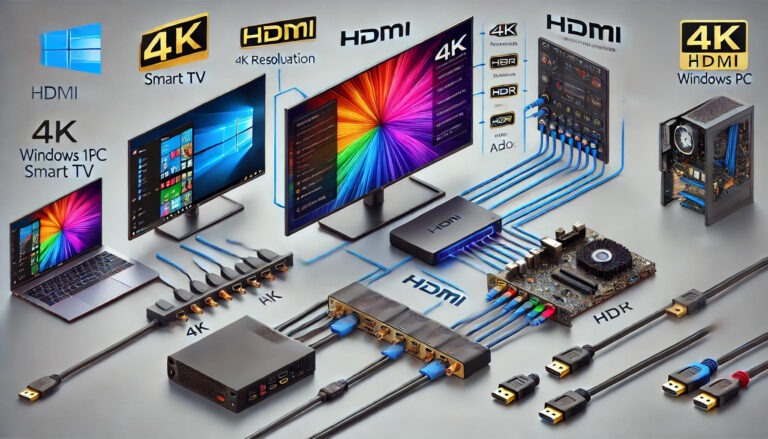
    When facing the frustrating issue of no sound from Samsung monitor, it’s essential to understand the potential causes and effective troubleshooting steps to restore audio.

    Whether you’re using a Samsung gaming monitor or a Samsung curved monitor, sound problems can arise from a variety of factors.

    Commonly, users report problems like Samsung monitor no sound HDMI or Samsung monitor sound not working, which can be particularly annoying when you’re relying on the monitor’s built-in speakers for gaming or multimedia purposes.

    A popular issue many users encounter is Samsung monitor HDMI no sound, where the HDMI connection doesn’t transmit audio properly.

    This issue may be linked to incorrect sound settings, faulty cables, or compatibility problems between the monitor and the connected device.

    For instance, if your Samsung LED monitor no sound, it may be due to a mismatch between your computer’s audio output settings and the monitor’s audio input capabilities.

    Similarly, the Samsung monitor no audio jack issue may indicate that you’re using an audio source without an external audio output option.

    For those with Samsung gaming monitor no sound, it’s crucial to check the settings on both the monitor and the gaming device.

    In some cases, the Samsung monitor audio not working could be related to settings within the gaming console or PC, which requires adjustment to enable audio output to the monitor.

    Another common occurrence is the Samsung monitor speakers not working, which can be caused by outdated drivers, a disconnected audio source, or an internal malfunction.

    If you’re dealing with a Samsung curved monitor sound not working or Samsung curved monitor no sound HDMI, consider checking the HDMI cable and port for any issues.

    Also, verify that the correct audio output is selected on your device. Many users find that troubleshooting the audio settings resolves these issues and helps restore sound to the monitor.

    If you’re still struggling with a no sound Samsung monitor problem, it’s recommended to refer to the how to fix Samsung monitor no sound guide, which includes step-by-step instructions to address common causes.

    To summarize, understanding the potential issues behind your Samsung monitor no sound problem—whether it’s related to the HDMI connection, internal speaker failure, or incorrect settings—will help you efficiently resolve the issue.

    By following the correct troubleshooting steps, you can quickly restore audio functionality to your Samsung gaming monitor, Samsung curved monitor, or Samsung LED monitor.

    In this guide, I’ll walk you through the most common fixes for samsung monitor no sound from hdmi input.

    samsung monitor

    Quick Fixes to Try First

    Before diving deep into troubleshooting, here are some quick and easy things to try that could get your Samsung monitor HDMI audio up and running:

    • Check physical connections: Make sure the HDMI cable is firmly plugged into both the monitor and source device (PC, game console, etc). Also verify it’s not a loose or faulty cable by swapping it out with another HDMI.
    • Toggle input source: Switch the monitor’s input source from the current HDMI input over to another input, then switch back. This can reset the HDMI handshake.
    • Power cycle devices: Turn off the monitor and source device completely, unplug them from power, wait 20 seconds, then plug them back in and turn them on.
    • Update drivers: Update to the latest graphics drivers for your PC or game console. Outdated drivers can cause HDMI audio issues.
    • Change audio output: On your source device, choose the Samsung monitor as the audio output device.

    These basic troubleshooting tips work to fix samsung monitor no sound with hdmi cable issues a good chunk of the time. If you’re still without audio though, read on for some additional solutions.

    Checking HDMI Audio Output Settings

    If your Samsung monitor is still not outputting sound over HDMI, the problem may lie in the HDMI audio settings. Here’s how to check:

    Source Device Settings

    First, check the HDMI audio output configuration on your source device – whether that’s a laptop, desktop PC, game console, streaming stick, etc.

    Go into the audio settings and make sure the HDMI output is enabled and set as the default playback device. For example on Windows 10, right-click the speaker icon in the system tray and select Open Sound settings. Go to Sound Control Panel, click the Playback tab, right-click the connected HDMI device (which may show up as your Samsung monitor name), and make sure both Set Default and Enable are checked.

    Similarly, look for audio output options on your game console, streaming device, etc. Consult your device’s support documentation if you’re unsure where to find these settings. Set HDMI as the audio output priority.

    samsung monitor no sound fix
    Image Source: samsung.com

    This ensures your source is properly configured to send audio over the HDMI cable to your Samsung monitor.

    Monitor Settings

    Next, bring up your monitor settings menu – usually by pressing the Menu button on the monitor – and locate audio settings. There may be an option like HDMI Audio or HDMI Sound that needs to be enabled.

    Consult your Samsung monitor’s manual if you’re not sure where the HDMI audio option is located. When you find it, make sure it’s turned On.

    You may also need to select which audio format the monitor uses over HDMI. If you’re connecting a PC, PCM is usually recommended. For a game console, try DTS or Dolby Digital.

    With the source sending audio over HDMI and the monitor set to receive it, you should now have sound coming from the monitor speakers or headphone jack.

    Updating Drivers

    Outdated drivers on your PC or game console can also cause samsung monitor hdmi connection not detecting audio. It’s important to keep your drivers updated for proper HDMI performance.

    For PC, go to your graphics card manufacturer’s website (Nvidia, AMD, Intel) and download the latest GPU drivers. For game consoles, check the system settings for system/firmware updates.

    Once you install updated drivers, restart your PC or console and connect the HDMI cable back to the Samsung monitor. This often resolves HDMI audio issues caused by buggy, outdated driver files.

    Adjusting HDMI Video Settings

    Sometimes HDMI audio problems result from incompatible video settings between the source and display. Try adjusting the monitor and source device video configuration.

    On your monitor, make sure Video Mode is set to Auto Detect. This allows the Samsung display to automatically adjust to the incoming video signal. You want the source and monitor to sync up video modes for proper audio transmission.

    Then on your PC graphics settings or console video output, set the resolution and refresh rate to compatible settings like 1080p 60Hz or 4K 30Hz. Avoid any interlaced or ultra high refresh rates.

    samsung monitor to dvd no sound

    Finally, enable GPU scaling if your PC or console offers this option. GPU scaling forces the source to output video scaled to the monitor’s native resolution.

    With compatible video modes enabled on both ends, HDMI audio should work reliably. You may need to play with resolution and refresh rate settings to find the sweet spot.

    Trying a New HDMI Cable

    It seems basic but a faulty or poor quality HDMI cable causes lots of grief with HDMI audio.

    Test with a different Premium Certified HDMI cable, preferably High Speed HDMI 2.0 if your devices support it. Some cheaper cables lose the ability to transmit audio signals, so replacing the cable often fixes samsung monitor hdmi no sound fix issues.

    While testing new cables, try both longer and shorter lengths. Very long cables can impact HDMI signal, while too short can cause loose connections. A 3-6 foot cable is ideal for most configurations.

    Ideally use HDMI cables certified by an HDMI testing center, with certification logos printed on the cable connector or packaging. This guarantees standards compliance for audio and video.

    Checking for Firmware Updates

    Samsung periodically releases firmware updates for its monitors to fix bugs, improve performance, and optimize compatibility.

    Check Samsung’s website for new firmware for your monitor model and download instructions. Follow their steps to update the monitor firmware, which typically involves downloading the firmware to a USB drive, inserting it into the monitor’s USB port, and using the monitor menu to install from the USB.

    Updating to the latest firmware ensures your Samsung monitor has all the code optimizations needed for smooth samsung led monitor no audio hdmi performance. Many users report HDMI audio issues disappearing after a firmware update.

    Adjusting Sound Settings on Monitor

    Once you do get HDMI audio playing through the monitor, make sure sound settings are optimized within the monitor menu itself.

    Under the monitor Sound settings, set Sound Mode to Standard or Music for the best audio quality. DTS Sound or Dolby Sound modes can also enhance sound from movies or games.

    Turn Volume up to an audible level. Check that Balance is centered. Enable any Equalizer or HDMI Audio options to prioritize HDMI sound quality.

    Tweaking these sound modes and levels properly tailored to your media source makes the audio loud and crisp when streaming HDMI into a samsung smart monitor hdmi no sound setup.

    Using External Speakers

    If you just can’t get built-in audio working from your Samsung monitor HDMI input, consider plugging external speakers into the monitor’s 3.5mm audio out port or optical/RCA jacks (if available).

    This bypasses any internal audio issues with the monitor itself and should restore sound as long as the monitor HDMI is receiving audio signals from the source properly.

    Most Samsung monitors support outputting sound over audio out jacks even when HDMI audio fails. So external speakers connected to these ports will play sound while leaving the monitor speakers muted.

    Summary

    That covers a wide range of tips for troubleshooting and fixing samsung curved monitor hdmi no audio problems. To recap:

    • Check physical connections and cables
    • Update monitor/source drivers
    • Enable HDMI audio on both devices
    • Adjust HDMI video settings for compatibility
    • Test with different HDMI cables
    • Update monitor firmware
    • Tweak monitor sound modes
    • Try external speakers

    Hopefully with some combination of these steps, you’ll be able to successfully get audio from your PC, game console or other device to play through your Samsung monitor’s speakers via the HDMI input.

    Let me know if the solutions above fixed your Samsung HDMI audio issues or if you have any other tips! Enjoy your multimedia experience with sound working from your Samsung monitor once again.

  • How to Fix Xbox Profile Picture Not Changing

    Having an issue with your Xbox profile picture not updating properly? This is a common problem that many Xbox users face, where their new profile picture doesn’t seem to save or their old one gets stuck.

    Not being able to change your profile picture can be annoying, but thankfully there are a few things you can try to get it working again. In this guide, I’ll walk you through the top troubleshooting steps to fix your Xbox profile picture not changing issue for good.

    What Causes the Xbox Profile Picture to Get Stuck?

    Before diving into the solutions, let’s first understand what’s causing the problem in the first place. Here are some of the common reasons your Xbox profile pic not updating:

    • Temporary server issues – Sometimes the Xbox servers have hiccups that prevent profile changes from updating instantly. Give it some time and try again later.
    • Outdated console software – If your Xbox console software is out-of-date, it can cause issues with syncing profile changes. Make sure to install the latest system updates.
    • Profile syncing problems – Profile changes sync from your console to the Xbox network. Connection issues during this process can lead to a stuck profile.
    • Corrupted data – In rare cases, corrupted profile data could be the culprit behind why your Xbox gamerpic not changing. Resetting your profile might help.
    • External issues – Problems with your internet connection, Xbox Live services, or other external factors can also prevent successful profile pic updates.

    Now that we know what’s going on behind the scenes, let’s get that profile picture changed!

    fix xbox profile picture not changing

    Troubleshooting Steps to Change Your Xbox Profile Picture

    Follow these steps to troubleshoot and fix any issues that are preventing your Xbox profile picture from updating:

    1. Check Xbox Services Status

    Before troubleshooting your specific console, first check whether there are any known Xbox Live service issues. Head to the Xbox Services Status page and see if any ongoing problems match what you’re experiencing.

    If services like profile, social & gaming, or Xbox Live core services are limited or down, that’s likely the reason your new profile picture isn’t working. You’ll have to wait for Xbox to fix and restore services fully. Keep checking the status page regularly.

    2. Restart Your Console

    A simple restart can solve many issues that cause your Xbox one profile picture not updating correctly. Here are the steps:

    • Press the Xbox button on your controller to open the guide.
    • Select the Restart console option.
    • Wait for your Xbox One to completely shut down.
    • Press the Xbox button again to turn it back on.

    Allow a few minutes after booting back up for services to stabilize. Now try changing your profile picture again.

    3. Check Your Internet Connection

    Since Xbox profile information syncs online, having a stable internet connection is important. Make sure your console has a solid network connection:

    • On Xbox One, go to Settings > Network > Network settings and select Test network connection.
    • On Xbox 360, go to Settings > System > Network settings and select Test Xbox Live connection.

    If issues are found, troubleshoot your network – restart your modem/router, check connection status, etc. A wired connection is best if possible.

    4. Power Cycle Your Console

    If a basic restart didn’t work, try power cycling your Xbox fully:

    • Xbox One – Hold the power button on the front for 10 seconds until it shuts down. Unplug the power cord for at least 30 seconds.
    • Xbox 360 – Hold the power button until the console fully shuts down. Unplug the power cord for 15-20 seconds.

    This “hard” reset can clear any cached data causing conflicts. After power cycling, boot up your Xbox and attempt to change your picture again.

    5. Change Your Profile Picture on Xbox Mobile App

    As an alternative, try changing your Xbox profile picture through the Xbox mobile app:

    • Download and open the Xbox app on your iPhone, Android, or Windows mobile device.
    • Sign in to your Xbox Live account if needed.
    • Go to your profile tab. Tap your current gamerpic.
    • Select Change gamerpic and pick a new picture from your phone.
    • Make sure it saves successfully. The new picture should sync to your console.

    If it works on mobile, the issue is isolated to your console. If it still fails, then there’s a larger account issue occurring.

    6. Clear Your Xbox One Profile Cache

    Sometimes a corrupted profile cache on Xbox One can prevent your new profile picture from sticking. To refresh it:

    • Go to Settings > Account > Privacy & online safety.
    • Under Xbox One/Windows privacy, select Clear local Xbox profile.
    • Power cycle your Xbox after clearing the cache.

    This resets your local profile data and resyncs the correct information from the Xbox Live network, hopefully fixing your stuck Xbox profile avatar not changing.

    7. Factory Reset Your Xbox

    If all else fails, a factory reset will wipe your Xbox back to default settings and often resolves stubborn account, profile and syncing issues.

    However, this will also delete all your games, apps, and settings. Make sure to backup your important data first!

    • On Xbox One, go to Settings > System > Console info and choose Reset console.
    • On Xbox 360, go to Settings > System > Storage, select Clear system cache, then choose Reset system.

    After factory resetting, reconfigure your console and try changing your profile again. If the issue persists, there may be a larger problem with your account requiring Xbox support.

    8. Contact Xbox Customer Support

    If you still can’t get your new Xbox 360 profile picture not changing after trying these troubleshooting steps, contact Xbox Support for further help:

    • On your Xbox One, say “Xbox, contact support” to initiate a live chat session.
    • Call Xbox Support by phone at 1-800-4MY-XBOX.
    • Visit the Contact Xbox Support page and select Request a call.

    Explain your stuck profile picture issue and what steps you’ve taken so far. The Xbox support team can investigate your specific account and provide tailored solutions to get your new profile pic to properly save and sync.

    Preventing Xbox Profile Picture Issues

    Once you’ve successfully fixed your Xbox profile picture, follow these tips to avoid similar issues happening again:

    • Always make profile changes while connected to a stable internet connection. Use wired over WiFi if possible.
    • Install new Xbox updates promptly, keeping your console firmware up-to-date.
    • Avoid changing your profile while Xbox Live services are down or limited.
    • Don’t make rapid successive profile changes. Give each update time to sync before changing it again.
    • Periodically restart your Xbox to clear any lingering data issues.
    • If your Xbox profile picture not updating after change, wait a while and retry later – temporary server problems are likely.
    • Check Xbox service status before troubleshooting console issues.

    Following these best practices will help ensure your Xbox profile pictures update smoothly without getting stuck. Be patient, stay persistent, and use the right troubleshooting steps to get your new Xbox Live gamerpic showing properly.

  • Update Skype for Business with Ease

    Skype for Business is an important communication tool included in Microsoft Office 365. It allows users to chat, have audio/video calls, and collaborate in real-time. However, to take advantage of the latest features and fixes, it’s important to keep Skype for Business updated in Office 365.

    Overview of Updating Skype for Business

    Microsoft rolls out updates to Skype for Business on a regular basis as part of the Office 365 update schedule. These updates can include new features, security enhancements, and bug fixes.

    Some updates are optional, while others are mandatory to keep Skype for Business running properly. Not updating can sometimes result in Skype for Business update issues or problems connecting.

    There are a few ways to update Skype for Business on Office 365:

    • Allow automatic updates through Windows or Mac (for desktop client)
    • Manually trigger updates through the Office 365 admin center (for desktop and web clients)
    • Wait for updates to roll out automatically to Office 365 tenants

    In this guide, we’ll cover the steps for each method so you can keep your Skype for Business updated and avoid any Skype for Business office 365 update not working situations.

    skype for business

    Automatically Updating Skype for Business

    The easiest way to keep Skype for Business up to date is to enable automatic updates on your desktop. This way new updates will install in the background without any effort on your end.

    Here’s how to enable auto updates for the Skype for Business desktop client:

    On Windows:

    1. Open the Start Menu and go to Settings > Update & Security.
    2. Under Windows Update, click Advanced options.
    3. Under Get updates for other Microsoft products, switch the setting to Automatic (recommended).
    4. Restart your computer if prompted.

    Now Windows will automatically download and install any Skype for Business updates in the background.

    On Mac:

    1. Click the Apple menu and select App Store.
    2. Click Updates in the App Store toolbar.
    3. Enable Automatic Updates if it isn’t already turned on.

    The Skype for Business app will now update automatically each time a new version is released.

    The benefit of automatic updates is you don’t have to think about it. The downside is that an update could potentially disrupt you if it happens while on an important Skype call.

    update skype for business

    Manually Updating Skype for Business

    If you prefer more control, you can manually trigger Skype for Business updates on your schedule.

    Here are the steps to manually update Skype for Business for Office 365:

    1. Sign in to the Office 365 admin center at https://admin.microsoft.com.
    2. Go to Users > Active Users and select the users you want to update.
    3. Click and select Manage Product Licenses.
    4. Under Skype for Business Online, click Update options.
    5. Check the box for updates you want to install and click Update.

    This will force updates to roll out on the schedule you choose to your selected users.

    You can also push updates to only a subset of users for initial testing before deploying to your full fleet.

    The Skype for Business desktop and web clients will update automatically within 72 hours of you pushing the update from the admin center.

    If you need to expedite, you can manually update the desktop client on each device:

    On Windows:

    1. Open the Skype for Business desktop app.
    2. Click the settings gear and select Check for Updates.
    3. Install any available updates.

    On Mac:

    1. Open the Skype for Business desktop app.
    2. Go to Skype for Business in the menu bar and select Check for Updates.
    3. Click Update to install updates.

    The web client will update next time the user signs in to web.skype.com.

    Manually updating gives you more control over timing, but does require hands-on work to push updates out. Automating where possible is best for larger organizations.

    Waiting for Automatic Updates

    If you take no action, Skype for Business will still update on its own automatically – but you have the least control over timing.

    Here’s what happens if you just wait for automatic updates:

    • Desktop clients will prompt users to update when a new version is available. Users can choose to update immediately, schedule it, or snooze the update.
    • Web client will be updated to the newest version the next time a user signs in at portal.office.com or web.skype.com. No interruption to users.
    • Office 365 tenant will be updated to the latest back-end Skype for Business version on Microsoft’s schedule. This happens in the background without impact to users.

    The benefit is you don’t have to manage updates at all. The downside is you have no control over when updates roll out or their potential impact on users.

    For most small businesses, waiting for automatic updates is fine. In large organizations, manually pushing updates may be preferred.

    Troubleshooting Skype for Business Update Issues

    Sometimes Skype for Business update issues can occur even with automated updates. Common problems include:

    • Update stuck at a certain percentage
    • Error messages when installing updates
    • Skype crashes or won’t launch after update
    • Features not working after update

    Here are some tips for troubleshooting Skype for Business update issues on Office 365:

    • Try restarting your device and launching Skype for Business again. This can resolve many issues.
    • Check for Windows or Office updates and install any available updates first.
    • Temporarily disable antivirus software, which can sometimes interfere with installations.
    • Review Windows update or Office update logs for specific error codes.
    • Repair the Skype for Business installation from Programs & Features in Windows.
    • On Mac, try trashing the Skype for Business folder and reinstalling the app.
    • As a last resort, uninstall then reinstall Skype for Business completely.

    Tracking down the specific cause can be tricky, but following updates logs and event viewer clues can help identify any underlying issues.

    Skype for Business Office 365 Update Frequency

    Microsoft usually releases new Skype for Business updates for Office 365 on a regular monthly cadence, though significant updates may arrive quarterly.

    Here is an overview of how frequently different Skype for Business components receive updates:

    • Desktop and mobile clients – Updated every 1-2 months with new features and bug fixes.
    • Web client – Updated every 2-3 weeks if needed to address issues.
    • Office 365 tenant – Major updates to backend servers every 2-3 months. Minor fixes weekly.
    • Service stack – Foundational updates every 2-3 months.

    This can vary occasionally, but in general you can expect a steady stream of Skype for Business updates for Office 365 year-round.

    As soon as an update is released, you’ll see prompts on desktop clients and can choose to update immediately or schedule it later.

    Best Practices for Updating

    Here are some best practices to keep Skype for Business smooth and updated for your Office 365 users:

    • Enable automatic desktop client updates where possible to reduce management overhead.
    • Regularly check the Office 365 Message Center for new Skype for Business updates.
    • Consider piloting major updates first with subsets of users to catch issues early.
    • When feasible, manually push updates during periods of low usage to minimize disruption.
    • Always back up Skype for Business data in case an update causes issues.
    • Proactively monitor Skype for Business health and usage after updates.
    • Look for error patterns in logs and be quick to troubleshoot any update problems.
    • Educate users to expect periodic updates and how to report issues.

    Staying current with Skype for Business updates takes some diligence, but pays off through enjoying the latest communication features and stability fixes. Following best practices helps ensure smooth updating and maximize uptime for your Office 365 users.

    Conclusion

    Updating Skype for Business is essential to gain the newest features and fixes released for Office 365. With methods like automatic updates, manually pushing updates, and simply waiting for the automatic rollout, you have flexibility in how to keep Skype for Business up to date.

    Paying attention to update frequency, carefully testing major updates first, and troubleshooting any issues that arise can help maintain performance. Updated Skype for Business clients paired with the latest Office 365 backend updates results in the best experience for your organization’s communication and collaboration needs.

  • Fix Microsoft Teams Photo Not Showing

    Having your profile photo not show up properly in Microsoft Teams can be frustrating. A blank or incorrect photo makes it hard for your coworkers and clients to identify you during meetings and chats. Fortunately, there are several ways to troubleshoot and fix the issue when your microsoft teams profile picture not showing.

    Why Your Microsoft Teams Photo May Not Be Showing

    There are a few common reasons why your profile photo may not be appearing correctly in Microsoft Teams:

    • Microsoft Teams photo not showing windows – If you’re using the Windows app, a caching or syncing error could prevent your photo from updating.
    • Microsoft teams camera not working photo – Your camera may not be detecting properly in Teams, preventing you from taking a new photo.
    • Microsoft teams profile picture blank – A problem with your account could lead to your photo reverting to a blank placeholder image.
    • Microsoft teams camera not working no video – An issue with your camera permissions, privacy settings or device could cause the camera to fail.
    • Microsoft teams profile picture not updating – Sometimes your photo gets stuck trying to upload, and doesn’t refresh even after changing it.
    • Microsoft teams camera not turning on video – Corrupted Teams installation or outdated app can lead to camera malfunction.
    • Microsoft teams camera disabled no video – Accidental toggling off camera access, inactive video driver can disable your camera.
    • Microsoft teams video not working blank screen – Buggy updates, incompatible hardware, faulty network connection causes blank video screen.
    • Microsoft teams camera not detected photo – Outdated or buggy OS/drivers can cause camera detection failure.

    The good news is that all these issues can be fixed with a few troubleshooting steps.

    microsoft teams photo not uploading

    How to Fix Microsoft Teams Photo Not Showing

    Follow these solutions based on the specific problem you’re facing:

    1. Check Profile Settings in Teams

    The first thing to check is your Teams profile settings. Open Teams and click on your profile icon at the top-right. Go to your profile settings and confirm the following:

    • Your correct photo is showing in the panel and saved. If not, upload it again.
    • The option “Show my profile photo in my Teams meetings” is enabled under Privacy settings.
    • “Automatically show profile photo” is enabled in your Meeting settings.
    • No filters are enabled that could alter your photo’s appearance.

    Once corrected, give Teams 10-15 minutes to sync the changes across devices, and check if your profile photo now shows correctly.

    2. Reset Cache and Sync Issues

    Microsoft teams photo not showing windows or Mac? Try resetting the Teams cache and force syncing your profile.

    On Windows, delete the %appdata%\Microsoft\Teams folder. On Mac, go to Applications > Teams > Show Package Contents > purgetemp.

    Next, open Teams on your desktop and mobile, logout and login again. Give it some time to re-sync your profile photo across devices. This clears out corrupt cache/data and fetches latest profile settings.

    3. Check Camera Permissions

    If your microsoft teams camera not working photo, ensure camera access is enabled for Teams.

    On Windows, check Camera privacy settings. Enable “Allow desktop apps to access your camera” for Teams.

    On Mac, go to System Preferences > Security & Privacy > Privacy > Camera. Make sure Teams has permission to use the camera.

    Similarly, allow camera access in Teams mobile app permissions and device settings when using your phone.

    4. Diagnose Camera Issues

    There are a few reasons why microsoft teams camera not working no video:

    • Outdated Teams app – Update to latest version
    • Faulty camera drivers – Update your OS and camera drivers
    • Privacy settings blocking camera – Change permissions as above
    • Device conflict – Try different camera device if available
    • Corrupt Teams installation – Uninstall and reinstall Teams
    • Hardware problem – Test camera with other apps, replace if faulty

    If changing privacy settings and app updates don’t fix your microsoft teams camera not turning on video, your camera device itself may need troubleshooting.

    5. Enable/Disable Video Settings in Teams

    Check that video is not disabled in Teams settings:

    • Go to Calling section in Teams General settings
    • Confirm “Turn on video by default” is enabled

    If video shows as turned off during meetings, use the Video toggle icon to enable it again, in case it got accidentally disabled.

    For persistent microsoft teams camera disabled no video issues, uninstall and reinstall Teams to reset all settings.

    6. Fix Blank Video Screen in Teams

    Why does microsoft teams video not working blank screen? Here are some fixes:

    • Update your graphics card drivers – Outdated drivers can cause video glitches
    • Adjust hardware acceleration – Disable it in Teams settings if you have blank video
    • Try a different network – Switch to wired ethernet or disconnect VPN as it may conflict
    • Reinstall Teams – An incomplete installation can cause blank screens
    • Update Windows/Mac OS – Old OS versions may have video bugs
    • Change video input device – Test different webcams if available
    • Reset cache and sync profile -Clears out corrupt video data

    If above steps don’t fix your microsoft teams camera not detected photo issue, your OS/hardware may be incompatible. Check minimum requirements for Teams or consider upgrading your computer.

    7. Contact Microsoft Support

    If you’ve tried all troubleshooting steps but your microsoft teams profile picture not updating or Teams camera/video still does not work, reach out to Microsoft Support:

    • Live chat with a support agent in the Teams app
    • Post on Microsoft Teams community forum for help
    • Contact @MicrosoftTeams on Twitter
    • Open a support ticket with Microsoft Support

    Microsoft can further diagnose your Teams app issues and provide tailored solutions. They may suggest updates, workarounds specific to your setup.

    Preventing Microsoft Teams Photo Issues

    To avoid recurring profile photo problems in Teams, follow these best practices:

    • Keep Teams updated to latest version
    • Maintain latest OS, drivers, firmware on devices
    • Don’t make changes from multiple devices simultaneously
    • Limit custom backgrounds, filters that can conflict
    • Setup camera and mic properly before meetings
    • Exit Teams properly after use and allow syncing
    • Use wired connection for meetings when possible
    • Disable VPN when using Teams video/calls
    • Don’t overwhelm system resources by multitasking during calls

    Following these tips will lead to a smooth, consistent Microsoft Teams experience where your profile photo and camera works flawlessly every time.

    Conclusion

    A blank or incorrect profile picture in Microsoft Teams can certainly be annoying. But in most cases it can be easily fixed with a few troubleshooting steps. Check your Teams settings, camera access permissions, privacy settings and app/OS updates to resolve common photo and camera issues.

    For any persistent problems, don’t hesitate to use Microsoft’s customer support channels. With the right help, you’ll be able to fix your Microsoft Teams photo and camera problems in no time.

  • How to Create the Best Profile Picture for Windows 10

    Your profile picture is one of the first things people notice when they view your user account on Windows 10. Choosing an attractive, professional profile photo can give you a great first impression.

    In this comprehensive guide, we’ll walk you through everything you need to know about setting, customizing and troubleshooting your Windows 10 profile picture.

    How to Change Your Profile Picture on Windows 10

    Changing your profile photo on Windows 10 is simple:

    1. Click on the Start menu and select Settings.
    2. Click on Accounts.
    3. On the Accounts page, click on Your info.
    4. Under Create your picture, click on Browse to select a new picture from your files.
    5. Select a picture you want to use as your new profile photo. The recommended dimensions are 200 x 200 pixels.
    6. Click on Choose Image.
    7. Finally, click on Done to set your new profile picture.

    It’s that easy! Windows will immediately update your profile photo across the operating system.

    change profile picture windows 10

    What is the Ideal Size for a Windows 10 Profile Picture?

    Windows 10 will automatically crop and resize any image you choose into a circle that fits its layouts and interface elements.

    However, for the best looking profile pictures, you’ll want to start with an image that meets these ideal dimensions:

    • Width and height: 200 x 200 pixels
    • File type: JPG or PNG
    • Size: Less than 256 KB

    A 200 x 200 pixel profile picture ensures your image won’t get excessively distorted when it gets cropped into a circle.

    This size also keeps file sizes small, which helps your profile pictures load faster across Windows.

    Where is Your Profile Picture Stored on Windows?

    Once you set a new profile photo, Windows will save copies of it in two main folders on your hard drive:

    User Profile Folder

    Your original profile picture file is saved in your user account’s profile folder at:

    C:\Users\YourUserName\AppData\Roaming\Microsoft\Windows\AccountPictures

    This allows Windows to access and reuse your original photo as needed in the OS.

    Hidden System Folders

    Windows also generates resized and optimized versions of your profile photo in hidden system folders like:

    C:\ProgramData\Microsoft\User Account Pictures

    These allow Windows to quickly load appropriately sized versions of your profile pic in different contexts across the OS.

    The copies in these hidden folders should not be directly edited.

    Choosing the Best Profile Pictures for Windows 10

    Picking an attractive, appropriate profile photo for Windows 10 requires choosing:

    • A high-quality photo
    • Appropriate image content
    • Ideal dimensions of 200 x 200 pixels

    Some best practices for selecting a great Windows 10 profile picture include:

    • Use a sharp, well-lit photo – Avoid blurry, low-resolution images. A sharp photo shows care.
    • Face the camera – Facing the camera makes you look more approachable.
    • Smile naturally – A light smile looks friendly and sincere.
    • Wear professional or casual attire – Dress as you would for an office or social setting.
    • Avoid distracting backgrounds – A neutral or natural background keeps focus on you.
    • Be authentic – Choose a photo that reflects your true personality.

    Following these tips will ensure your profile picture makes a fantastic first impression!

    Troubleshooting

    Why Does My Windows 10 Profile Picture Keep Reverting?

    If you change your Windows 10 profile photo but notice it keeps reverting back to your previous picture, don’t panic! This issue is usually easy to fix.

    Here are some common reasons your profile picture reverts on Windows 10 and how to troubleshoot them:

    • Cached profile photo – Windows may be loading a cached older profile pic that hasn’t been updated. Log out and back in to clear the cache.
    • Corrupted image file – A corrupted profile photo file may cause Windows to revert to an older file. Try a new photo file instead.
    • Group policy settings – Network group policies may override your photo. Ask your system admin about policy settings.
    • Multiple user accounts – The wrong user account may be loading. Log into the account where you changed your picture.
    • OS customization apps – Some customization apps override profile pics. Uninstall problematic apps.

    Following these tips should get your new profile picture to properly load on Windows 10.

    How to Customize Your Profile Picture on Windows

    Beyond just changing the photo, Windows 10 also lets you customize how your profile picture looks and behaves in the OS.

    windows 10 change profile picture

    Under Accounts > Your Info in Settings, you can:

    • Add an account picture frame – Applies a customizable frame around your profile photo.
    • Make it a tile – Converts photo into a mosaic-style tile pattern.
    • Center it – Centers aligns your photo in frames.
    • Show my display name – Shows/hides your display name on your profile pic.

    These options let you tailor your profile picture to match your personal style on Windows 10.

    What to Do If Your Profile Photo is Too Large to Upload

    If you select a profile picture that’s too large, Windows will notify you that the “Picture is larger than expected” during upload.

    This happens if your image exceeds the 256 KB maximum file size.

    To fix this, open your photo in an editing program like Paint and go to Resize or Scale Image. Change the dimensions to 200 x 200 pixels to reduce the file size.

    Save your edited picture and try uploading it again. This should compress your photo to a small enough size to use as your profile picture.

    How to Change the Aspect Ratio of Profile Photos

    By default, Windows 10 crops profile pictures into a 1:1 perfect square aspect ratio.

    If you want your profile photo to maintain a different aspect ratio like 5:4 or 16:9, you can change an option in the registry:

    1. Open Registry Editor
    2. Browse to HKEY_LOCAL_MACHINE\SOFTWARE\Policies\Microsoft\Windows NT\Explorer
    3. Change the DWORD value LockScreenCustomImageAspectRatio to 0 (zero).
    4. Restart your computer.

    This will stop Windows from forcing a square crop on your profile photo.

    You can now set a professionally taken portrait photo with a classic aspect ratio as your uncropped profile picture.

    Conclusion

    Your profile photo is an important part of representing yourself on Windows 10. Following this guide’s tips on sizing, storage, troubleshooting and customizing your profile picture will ensure you always put your best face forward!

    Choosing an appropriately sized, high quality profile photo that reflects your personality and professionalism will give you an excellent first impression across your Windows 10 devices.

  • How to Fix Windows 10 Account Picture Error – Top 5 Solutions

    Having issues with your account picture not displaying properly in Windows 10? Profile pictures not loading, reverting to defaults, or not updating can be frustrating. In this comprehensive guide, we’ll cover the most common account photo errors in Windows 10 and how to troubleshoot them.

    Account Picture Not Loading in Windows 10

    If your account profile picture is not loading at all in Windows 10, there are a few things you can try:

    • Restart your PC – A simple restart can often resolve temporary glitches that prevent images from loading. Restart and check if your account picture now shows up.
    • Check picture file type and size – Windows 10 supports JPG, BMP, PNG and GIF profile photos. The image also needs to be less than 256 KB in size. If your picture is a different format or over 256 KB, it may fail to load. Resize or re-save it in a supported format.
    • Reset thumbnail cache – Sometimes a corrupted thumbnail cache can prevent account pictures from loading. To reset it, press Win + R and type control folders then delete all files in C:\Users\Username\AppData\Local\Microsoft\Windows\Explorer.
    • Check profile image path – Use Registry Editor to navigate to HKEY_LOCAL_MACHINE\SOFTWARE\Microsoft\Windows NT\CurrentVersion\ProfileList and find your account SID. Check if ImagePath value points to a valid image file. If not, update the path or delete it.
    • Create new user profile – A corrupted user profile can also block account photos. Create a new user account as a test. If your picture loads there, your original profile may need to be deleted to fix the issue.

    Windows 10 User Account Pictures Not Showing

    If account pictures are not visible in certain places like the login screen or File Explorer, check the following:

    • Open Settings > Accounts > Sign-in options and enable “Show my account picture on the sign-in screen“.
    • Go to File Explorer > View > Options > Change folder and search options. Under “Show profile picture and account name“, choose when to show photos.
    • Your Microsoft account may override local account photos in some places. Check online account settings at account.microsoft.com to confirm.
    • The image file path may be invalid. Verify it in the registry as shown above.
    • Group Policy settings can also block account images from showing in specific locations like the lock screen. Check with your system admin.
    account picture not updating windows 10 scaled

    Can’t Change Account Picture in Windows 10

    If your Windows 10 profile photo is stuck or you can’t update it to a new image, try these fixes:

    • Navigate to the image path in the registry and delete the existing photo file. Then try setting a new account picture.
    • Take ownership of the profile image folder located at C:\ProgramData\Microsoft\User Account Pictures, then give yourself Full Control permissions.
    • Temporarily disable any security or image blocking software that may be preventing updates.
    • Create a new user account and see if updating the photo works there. A damaged profile may require deletion and re-creation.
    • Open Command Prompt as admin and run DISM /Online /Cleanup-Image /ScanHealth followed by DISM /Online /Cleanup-Image /RestoreHealth to repair image corruption.

    Windows 10 Default Account Picture Keeps Reverting

    A common problem is Windows 10 reverting your new account photo back to the default image. To stop this:

    • Delete the default user profile images located in C:\ProgramData\Microsoft\User Account Pictures*.
    • Unlink your Microsoft account which may be overwriting your local account picture.
    • Use Registry Editor to navigate to HKEY_LOCAL_MACHINE\SOFTWARE\Policies\Microsoft\Windows and change EnableLinkedConnections to 0.
    • Set a complex password on your local account rather than a pictograph PIN which can cause conflicts.
    • Go to gpedit.msc > Administrative Templates > System > User Profiles and disable “Copy profile picture to user profile shared location upon sign in”.

    How to Fix Account Picture Not Updating in Windows 10

    If your new account photo isn’t sticking and Windows 10 reverts to the old image, try these troubleshooting steps:

    • Restart your PC and attempt to change the picture again after rebooting.
    • Open File Explorer and delete the old image file from the user profile folder if it still exists.
    • Navigate to the registry key holding your profile image path and update it to the new photo location.
    • Check the new image size – large or unsupported files may fail to update. Resize under 256 KB.
    • Take ownership of C:\ProgramData\Microsoft\User Account Pictures and grant yourself Full Control to overcome permission issues.
    • For Microsoft accounts, sign out everywhere online to refresh the profile cache then upload the photo again.

    Windows 10 User Profile Picture Not Updating

    Another variation of this problem involves the user profile picture not updating across Windows 10 apps and services:

    • Sign out of your Microsoft Account on the device and sign back in to reload profile data from the cloud.
    • Open the Accounts section of Settings app, go to Your Info and re-select your profile photo to push the change.
    • Delete the stale image file from File Explorer in AppData\Roaming\Microsoft\Windows\AccountPictures.
    • Check for duplicate entries under your account in Computer\HKEY_LOCAL_MACHINE\SOFTWARE\Microsoft\Windows NT\CurrentVersion\ProfileList and delete any extra ones.
    • Uninstall problematic Windows Updates that may have gotten corrupted using Control Panel > Programs > Installed Updates.
    • As a last resort, reset your account password or create a new user profile to discard corrupted data.

    Windows 10 User Account Picture Corrupted

    A corrupted user account picture can also lead to the image failing to display properly across Windows 10. To resolve corruption errors:

    • Try changing to a new user profile picture which will generate a fresh image file.
    • Open Command Prompt as admin and run sfc /scannow to scan for system file corruption. Restart when done.
    • Using DISM tool, run DISM /Online /Cleanup-Image /RestoreHealth to repair damaged OS image files.
    • Unregister and re-register .jpg, .png, .gif and .bmp codec DLLs by typing commands regsvr32 /u shimgvw.dll, regsvr32 /u shimgvw.dll, etc.
    • Delete the corrupted image file itself from the user profile folder if it still exists.
    • As a last resort, create a new user account to discard the corrupted profile.

    Windows 10 Update Broke User Account Pictures

    It’s not uncommon for a bad Windows Update to break account photos and cause issues like reverting to the default picture. Here is how to fix post-update account picture problems:

    • Rollback the problematic Windows Update in Settings > Update & Security > View Update History.
    • Boot into Safe Mode and set your account picture again to force an update.
    • Use System Restore to roll back the system to a restore point created before the update that caused issues.
    • Try SFC and DISM scans as shown above to repair corrupted system files due to the update.
    • Clean install the latest Windows Update and avoid the defective one that broke your account images.

    Windows 10 User Account Pictures Disappeared After Update

    If a Windows Update causes your account photos to go missing, try these steps to restore them:

    • Uninstall the latest Windows Update and hide it to prevent reinstallation. This should restore your original pictures.
    • Check if a new user folder was created under Users folder like .BAK or .000 after the update. Your photos may have been moved there.
    • Scan and repair drive errors using Disk Cleanup’s “Check for and repair bad sectors” option to fix corrupted data.
    • Roll back the system to a restore point before the photos disappeared using System Restore.
    • A reset or clean reinstall of Windows Update may be required if corruption is widespread and restore points fail.

    Windows 10 User Profile Picture Not Showing on Lock Screen

    Finally, if your account picture displays properly elsewhere but not on the lock screen:

    windows 10 profile picture not showing on lock screen
    • Go to Settings > Personalization > Lock Screen and ensure “Show lock screen background picture” is on.
    • Select “Windows Spotlight” instead of a custom background image which may override your profile photo.
    • Check Settings > Accounts > Sign-in options to enable “Show my account picture” under Restart apps.
    • Open Registry Editor and navigate to HKEY_LOCAL_MACHINE\SOFTWARE\Policies\Microsoft\Windows\System. Change ShowUserOnSignIn to 1.
    • Your organization’s security policies may block images on the lock screen. Contact your system admin for exclusions.
    • You can also push profile photos to the lock screen by modifying Group Policy at Computer Configuration > Administrative Templates > Control Panel > Personalization.
    windows 10 lock screen image gpo

    I hope these tips help you troubleshoot and resolve any issues with account photos failing to load or update in Windows 10 after updates or for other reasons. Let me know if the solutions work for fixing your particular profile picture problems!

  • How to Customize and Upload Skype Avatars

    Having a cool, unique Skype avatar is a great way to express your personality and stand out during Skype calls and chats.

    With so many options available, creating the perfect Skype avatar can be both fun and challenging. This comprehensive guide covers everything you need to know about making customized Skype avatars.

    Why Use a Custom Skype Avatar?

    Using the default blank or generic avatar provided by Skype is rather boring. Having a customized avatar makes you easily recognizable to your contacts. It also allows you to showcase your interests, personality or mood.

    There are many creative ways to customize your avatar on Skype. From using your own photos to creating cartoon characters, animals, objects or abstract art – anything goes!

    Having an eye-catching and meaningful avatar also makes your calls and chats more engaging. It sparks curiosity and gives people a glimpse into who you are.

    Skype Avatar Ideas and Inspiration

    Not sure what to use as your Skype avatar? Here are some ideas to spark your creativity:

    • Selfie or photo: Use a fun selfie, close-up of your face or full body photo. Faces naturally attract attention.
    • Interests: Showcase your hobbies like music, sports, travel, etc. Use related images or icons.
    • Animals: Cute, funny or mythical animals make quirky avatars. Cats and dogs are popular choices.
    • Cartoon character: Use or create an animated avatar with big eyes and colorful features. Disney, anime and video game characters work great.
    • Profession: Represent your job with relevant images like a businessperson, doctor, chef or teacher.
    • Objects: Everyday items, food, technology and abstract shapes can make artistic avatars.
    • Funny: Express your humor with hilarious or meme inspired images. Goofy faces and comical characters get laughs.
    • Holidays: Seasonal avatars like Santa hats, bunny ears or decorated trees show festive spirit.

    The options are endless! Look for Skype avatars that reflect your personality and current mood.

    Using Avatar Creation Apps

    If you want more complex editing and greater customization ability, use these powerful Skype avatar apps:

    Picrew Avatar Maker

    Picrew is a popular online avatar creator with a huge library of artistic styles. Choose a base avatar template and customize the appearance. Export your creation to use as a Skype avatar.

    Cartoonify

    Cartoonify converts photos into cartoon illustrations. Upload any image and the AI will generate a fun cartoon character with big eyes and vibrant colors perfect for Skype.

    AvatarMaker.com

    This website has an advanced editor for making customized cartoon avatars. Select detailed facial features, expressions, outfits and backgrounds for free.

    Bitmoji

    Bitmoji lets you create a 3D Bitmoji avatar that looks just like you. Design your avatar with various facial and style options. Link it to Skype to use your personalized Bitmoji as your avatar.

    Adobe Photoshop

    For full creative freedom, design Skype avatars from scratch in Photoshop. Use photomanipulation, digital painting and image editing techniques to make truly unique avatars.

    skype avatar creation

    Skype Avatar Size and Format

    To ensure your avatar looks crisp and clear on Skype, it needs to be saved properly:

    • Recommended size is 176 x 176 pixels
    • Save avatar images in PNG or JPG format
    • Keep file size under 300 KB
    • Use transparency for irregular shapes
    • Avoid using too small or blurry images

    Check your avatar in Skype chats to see how it looks before setting it. Re-export your avatar at a larger size if it appears pixelated.

    Funny and Unique Skype Avatar Ideas

    Taking some inspiration from pop culture, memes and current trends is an easy way to create funny and unique Skype avatars.

    Some funny avatar ideas include:

    • Memes like Doge, Success Kid or Distracted Boyfriend
    • Funny facial expressions, weird selfies and photobombs
    • Celebrity caricatures and parodies
    • Pop culture characters like minions or baby yoda
    • Viral animal videos like dancing cat or surprised prairie dog
    • Adding crazy hair, glasses, masks or props for humor
    • Topical and timely references to movies, games, news, etc.
    • Job related caricatures like a mad scientist professor avatar

    Aim for humor that fits your personality. Ask friends to help pick the funniest avatar from your options. Change it regularly to stay fresh and entertaining.

    Best Practices for Skype Avatar Design

    Follow these tips to create the best looking custom Skype avatars:

    • Pick an art style that you can reproduce consistently in different poses and expressions. This makes multiple avatars feel cohesive.
    • Ensure facial features are clear and prominent, especially the eyes and mouth. Those details help express emotions and personality.
    • Use bold, contrasting colors that stand out on small Skype windows. Vibrant colors look best.
    • Keep avatars simple and uncluttered. Avoid too much background detail that competes with your main focus.
    • Maximize humor and cuteness. Big eyes, exaggerated features and funny props grab attention.
    • Maintain brand consistency for business Skype accounts. Reflect your company values through your avatar.

    Taking the time to perfect your Skype avatar pays off with a professional, personal and engaging image to represent you.

    How to Change Your Skype Avatar

    Once you have created multiple Skype avatars, you can easily switch between them:

    1. In your Skype profile, click your current avatar.
    2. Scroll and select a different avatar you have already made.
    3. Click Save to change your active avatar.

    Alternatively, you can right click on a Skype chat window and use the Change avatar option to pick a new one.

    Regularly changing your avatar keeps your Skype presence fresh and intriguing to your contacts. Mix up serious, professional avatars with funnier casual ones.

    Best Skype Avatar Editors and Tools

    To unlock more possibilities for customizing the perfect Skype avatar, use advanced avatar editor apps and software:

    • Adobe Illustrator: Create sleek vector avatar graphics with scalable resolution.
    • Procreate: This iPad app has powerful sketching and painting tools for illustrations. Export as PNG.
    • Blender: Design 3D modeled avatars and render PNG files. Add rigging to make animated avatars.
    • Fiverr: Hire professional graphic designers and illustrators to make custom avatars.
    • AvatarMaker.com: User-friendly avatar editor with tons of styling options.
    • Picrew: Huge selection of modifiable anime avatar templates. Great for cartoons.
    • Cartoonify: Upload photos and convert into animated caricatures.
    • Bitmoji: Detailed 3D avatars with lifelike facial expressions.

    With the right tools, you can take your Skype avatar to the next level and have the coolest avatar among your contacts!

    adobe illustrator skype avatar

    Tips for Using Skype Avatar Apps

    When using avatar creator apps and sites, follow these tips:

    • Browse the available styles and select one that suits your preferences.
    • Customize the features like hair, eyes, face shape and more. Don’t just use the defaults.
    • Play with options like poses, props and backgrounds to enhance your avatar.
    • Express your personality through appropriate clothing, colors and accessories.
    • Export the finished avatar in the largest size possible for best Skype resolution.
    • Double check that the exported avatar has a transparent background.
    • Consider remaking your avatar in vector format for scalability.

    Taking the time to properly use avatar editors results in the highest quality and most personalized Skype avatars.

    Showcase Your Brand with Skype Business Avatars

    For business Skype accounts, your avatar presents your brand image. Avoid generic avatars and go for something memorable.

    Some business Skype avatar ideas include:

    • Company logo or product image
    • Caricature of founder or CEO
    • Illustrated mascot or character
    • Keyword or icon representing your industry
    • Photo of office headquarters or team
    • Collage of visuals related to your services

    Keep business avatars clean, professional and aligned with brand values. Maintain consistency with marketing visuals. Rotate between a few themed avatars to promote campaigns or events.

    Fun Themed and Holiday Skype Avatars

    Having a selection of themed avatars helps show your festive spirit for holidays and events on Skype.

    Some ideas for themed Skype avatars:

    • Santa hats and reindeer antlers for Christmas
    • Bunny ears and flower crowns for Easter
    • Costumes like superheroes or witches for Halloween
    • Hearts, cupid arrows and flowers for Valentine’s Day
    • Party hats, confetti and noisemakers for New Year’s Eve
    • Flags and fireworks for July 4th Independence Day
    • Turkey headbands for Thanksgiving
    • Blooming flowers and scenery for spring

    Quickly swap your avatar to match holidays and seasons. Use props, colors and symbols that relate to specific events. Even small additions like Christmas tree earrings or cat ears for Halloween transform regular avatars into festive ones!

    Show Personality with Gaming Skype Avatars

    Gamers can show their passion on Skype using avatars featuring popular games.

    Cool gaming avatar ideas:

    • Your game character or avatar from RPGs
    • Art of favorite heroes like Mario, Master Chief or Lara Croft
    • Cosplay as game characters in their signature costumes
    • Iconic symbols and items like the Triforce or a Pokeball
    • Screenshots from epic gaming moments
    • Caricatures of famous game streamers or eSports athletes
    • Fun gaming themed accessories like headsets or energy drinks

    Gaming avatars represent your gamer status and make connecting with fellow players more exciting. Try giving your avatar a themed makeover for big events like eSports tournaments or new game releases.

    Conclusion

    Personalizing your profile with a customized Skype avatar helps you stand out, express yourself and show off your interests. With Skype’s integrated avatar editor and third-party avatar apps, you have endless options for creating unique and cool avatars.

    Take inspiration from your hobbies, fandoms and sense of humor. Craft professional avatars for branding your business. Freshen up your avatar regularly to match holidays and pop culture trends.

    With this guide’s tips on size requirements, design practices and editing tools, you can make truly engaging Skype avatars that give anyone who sees your profile a memorable first impression.

  • How to Change Skype Display Name and User Name

    Your Skype username is the unique name that identifies you on Skype and allows others to find and connect with you. While many people keep their original Skype username, you may eventually want to update it for various reasons.

    Unfortunately, Skype does not allow modifying your original username that was created when you signed up. This username acts as your unique identifier on Skype and cannot be altered.

    With Skype being one of the most popular video chat platforms, many users want to customize their experience by changing their username.

    However, all hope is not lost! While you can’t change your Skype username, you can modify your Skype display name which is shown to other users when searching and chatting. Your display name is separate from your unchangeable username.

    How to Change Skype Display Name?

    1. To change it, open the Skype app and click on your profile picture.
    2. Then select ‘Settings‘ and navigate to ‘Profile‘.
    3. This will open Skype account in the browser on desktop or laptop.
    4. Here you will see your Skype display name with an edit icon next to it.
    5. Click the pencil icon to modify and save your new display name.
    change skype display name profile settings

    Make sure it’s something recognizable so your friends can still find you!

    How to Change Skype Username?

    If you really want a new username and don’t care about keeping your current Skype account, you will have to create a brand new account. Just remember that your chat history, files, and contacts will not transfer over to the new account. Before creating a new account, be sure to export any important information you want to keep.

    Once your new account is setup, Skype will automatically generate a new username for you that cannot be customized. If you no longer need your old account, you can close it through your account settings. Just know this will also close any associated Microsoft/Hotmail account.

    change skype username

    Conclusion

    So in summary, your original Skype username cannot be changed since it acts as your unique ID on the platform.

    But you can modify your display name to show a preferred handle to other users. If you really want a completely new username, you’ll have to create a new account and export your info from the old one. With a few simple steps, you can update your Skype name or username to your liking!

    Why You Might Want to Change Your Skype Username

    Here are some of the top reasons for changing your Skype username:

    • Your current username is outdated or no longer reflects who you are. For example, if your username contains your old name or nickname.
    • You want something more professional for business purposes. Your current username is too informal or unprofessional for connecting with colleagues and clients.
    • You want to adjust your privacy settings. Your current username contains personal information you now want to remove.
    • Your username is difficult to remember or spell. You want something shorter and simpler for people to find you on Skype.
    • Your account was compromised. You want to secure your account by changing to a new username that’s difficult to guess.
    • You’re facing username conflicts. Another Skype user already has your preferred username, so you need to adjust.

    And that’s it! With your new Skype username and profile picture, you’re ready to connect with your contacts under an updated account.

  • How to Change Your Profile Picture in Outlook 365

    Your profile picture in Outlook 365 is one of the first things people notice when communicating with you. Having a professional, friendly photo can make a great impression, while an outdated or inappropriate picture can be distracting. Fortunately, changing your profile picture in Outlook 365 is quick and easy.

    In this comprehensive guide, we’ll walk through the step-by-step process for updating your profile picture across Outlook and other Microsoft 365 apps. We’ll cover:

    • Recommended profile picture size and dimensions
    • Uploading a new picture in Outlook 365
    • Changing it in the Microsoft 365 admin center
    • Updating across Skype, Teams, SharePoint and more
    • Troubleshooting tips

    Plus we’ll provide some best practices for choosing a profile photo that presents you in the best light. Let’s get started!

    outlook 365 profile pic

    Profile Picture Size and Dimensions

    Before uploading your new profile photo, it’s important to have the correctly sized image file. Here are the recommended dimensions:

    • Square photo: The picture should be square, meaning the height and width are equal. The ideal size is 256 x 256 pixels.
    • Landscape photo: If you prefer a horizontal landscape photo, the dimensions should be 432 x 192 pixels.
    • Minimum size: The minimum size for the photo is 96 x 96 pixels. Anything smaller may appear blurry or pixelated.

    Some key tips for sizing:

    • Use an image editing app like Paint, Photo Editor, or GIMP to crop and resize pictures to the exact pixels.
    • Save your profile photos as JPG or PNG files to preserve quality.
    • Photos larger than the recommended sizes will be automatically resized.
    • Images smaller than the minimum may be stretched or distorted.

    Getting your picture file to the optimal size before uploading will ensure it looks crisp and clear across Microsoft 365.

    Uploading a New Profile Photo in Outlook

    Once you have your properly sized photo file, it’s time to change your picture in Outlook 365:

    Step 1: Open the Outlook desktop app and go to the top right corner, clicking on your current profile icon.

    Step 2: In the dropdown menu, choose Change Photo. This opens File Explorer.

    Step 3: Browse your computer folders and select your new profile picture file. Click Open.

    Step 4: Outlook will upload the new photo and swap it with your previous picture. You’ll see the update reflected across Outlook 365.

    That’s all it takes to update your profile photo right within the Outlook desktop program. The change may take up to 15 minutes to synchronize across Microsoft services.

    Uploading on Outlook Web

    You can also upload a new picture through Outlook on the web:

    Step 1: Go to Outlook.com and sign in.

    Step 2: Click on your current profile icon at the top right.

    Step 3: Select Change photo.

    Step 4: Choose an image file from your computer.

    Step 5: Click Apply to save the new photo.

    Again, allow up to 15 minutes for the updated picture to populate across your Microsoft 365 apps and account.

    Changing Profile Picture in Microsoft 365 Admin Center

    For Microsoft 365 business and organization accounts, administrators can change a user’s profile photo through the admin center. Here’s how:

    Step 1: Sign in to Microsoft 365 Admin Center.

    Step 2: Click Users and select the user account you want to update.

    Step 3: On their profile page, click Edit next to their current picture.

    Step 4: Choose a new image file from your computer.

    Step 5: Click Save.

    The user’s photo will be updated to the new picture across Microsoft 365. They will see the change on their profile.

    This allows admins to easily set or update profile pictures for multiple users from one dashboard.

    office 365 profile pic

    Changing Profile Photo Across Microsoft 365

    Once you upload a new picture to your Outlook account, it should automatically populate across other Microsoft apps and services where your profile image appears. Here’s an overview:

    • Outlook desktop app: New picture will appear at the top right away.
    • Outlook on the web: Updates within 15 minutes.
    • Microsoft Teams: May take up to 24 hours to change. Sign out and back in to see it faster.
    • SharePoint: Updates profile image on your user information page.
    • OneDrive: Photo will update on the Me tab.
    • Planner: Changes on the Accounts page.
    • Yammer: May take hours to reflect new picture.
    • Skype: Photo will update after you sign out and back into Skype.
    • Office mobile apps: Sign out completely and sign back in.

    In some cases you may need to sign out of an app and restart it to force a refresh of your profile image. Allow up to 24 hours for it to appear everywhere.

    Troubleshooting Profile Picture Changes

    In most cases, changing your profile photo in Outlook 365 will seamlessly update it across Microsoft services. But occasionally issues can arise:

    • If the picture isn’t updating in an app, sign out and back in.
    • Double check the image file size – if it’s too small it may not work.
    • Very large pictures may fail to upload or display properly.
    • If other users can’t see the new picture, reboot your computer and clear app caches.
    • Make sure you don’t have multiple Microsoft accounts with different profile images.
    • For desktop apps, check for pending Windows Updates which may prevent syncing.
    • If all else fails, try uploading the picture directly in the problem app or service.

    Following the recommended photo dimensions in this guide will help avoid any technical issues. Reach out to Microsoft Support if the new image repeatedly fails to update.

    Best Practices for Profile Pictures

    Once you know how to change your profile photo across Microsoft 365, you’ll want to choose an image that puts your best foot forward. Here are some best practices:

    • Use a professional headshot or upper body photo. Avoid full length or group shots.
    • Make sure your face is clearly visible, not obstructed or blurry.
    • Choose a simple solid background over a busy backdrop.
    • Dress appropriately for your workplace and industry.
    • Smile naturally and make eye contact with the camera.
    • Avoid low quality selfies or fuzzy webcam photos.
    • Double check for closed eyes, awkward expressions or distractions.
    • Favor a friendly, approachable vibe over overly formal.
    • Consider a polished but authentic image over heavily filtered.
    • Periodically update your photo every few years or when changing roles.

    An engaging yet professional profile picture can make a great impression across Outlook, Teams, SharePoint and all your Microsoft 365 apps. So be sure to choose wisely and keep your photo current.

    Following this guide makes it easy to update your image and have it synchronize across Microsoft services. Simply prep the perfectly sized file, upload in Outlook, and enjoy your fresh new profile picture!

  • How to Change Your Profile Picture in Outlook

    Your profile picture is one of the first things people notice when interacting with you on Outlook. Whether it’s in email conversations or using apps like Teams and Skype, your profile photo represents you. That’s why it’s important to know how to change your profile picture in Outlook when you want to update it.

    In this step-by-step guide, I’ll show you several ways to change your profile picture depending on which Outlook app or service you use. We’ll cover:

    • How to change your profile picture on Outlook on the web
    • How to change your profile picture in the Outlook desktop app
    • How to change your profile picture in Outlook mobile apps
    • How to change your profile picture in Skype
    • How to change your profile picture in Teams

    Plus plenty of tips for uploading a new photo, troubleshooting issues, and ensuring your new profile picture syncs across Outlook. Let’s get started!

    How to Change Your Profile Picture on Outlook on the Web

    Outlook on the web (previously known as Outlook Web App or OWA) is the webmail client that comes with Office 365. It’s one of the easiest ways to change your Outlook profile photo. Just follow these steps:

    Total Time: 5 minutes

    Go to Outlook.office.com and sign in to your Microsoft account.

    Click on your current profile picture in the top right corner.

    From the dropdown menu, choose My Profile

    On your profile page, click the Add a photo. Note: Personalize your account with a photo. Your profile photo will appear on apps and devices that use your Microsoft account.

    Select the Photo from your laptop

    In the popup window, click the folder icon to browse your computer and select a new photo. Tip: Your image should be under 4MB in size and in JPG, PNG, or GIF format. Once selected, click Apply to set the new profile picture.

    It’s that easy! This will change your profile picture on Outlook on the web as well as across your other Outlook apps and services. The new photo may take up to 15 minutes to sync everywhere.

    How to Change Profile Picture Outlook Desktop App

    To update your profile photo in the Outlook desktop app for Windows or Mac, use these steps:

    1. Open the Outlook desktop app and go to the File menu.
    2. Click on Account Settings then select Account Settings again.
    3. Navigate to the My Account tab.
    4. Click Change underneath your profile picture.
    5. Browse your computer and select a new photo from your files.
    6. Click Apply then Ok to save the changes.

    Similar to Outlook on the web, your new profile picture can take 15 minutes to sync across Outlook apps. Also make sure your image size is under 4MB.

    change profile picture outlook

    How to Change Your Profile Picture in Outlook Mobile Apps

    Changing your profile photo using Outlook mobile apps for iOS and Android devices is very similar to the steps for Outlook on the web:

    1. Open the Outlook mobile app and tap your account profile icon in the top left.
    2. Tap View profile.
    3. Tap the camera icon to pick a new photo from your phone’s image library or take a new photo with your camera.
    4. Choose the photo you want, then tap Save.

    That’s all there is to it! Just sit back and let your new profile picture sync across Outlook on all your devices.

    How to Change Your Profile Picture in Skype

    Since Skype integrates with Outlook, changing your profile photo in Skype also updates it everywhere else. Here’s how to do it:

    1. Sign in to the Skype app on your desktop or mobile device.
    2. Click or tap your current profile picture.
    3. Choose Edit profile or Change picture, depending on your Skype version.
    4. Select a new photo from your computer or mobile device.
    5. Click Save to set your new Skype profile picture.

    It will then change across Outlook after synchronizing. Note that it may take up to 15 minutes to update fully.

    how to change profile picture office skype

    How to Change Your Profile Picture in Teams

    Microsoft Teams uses your Outlook profile picture by default in your Teams profile. Here’s how to change it within Teams:

    1. Open Teams and click your profile icon in the top right.
    2. Choose Edit profile.
    3. Click the camera icon to upload a new profile photo.
    4. Select a new picture from your device and click Save.

    This will change your profile photo in Teams and sync it to your Outlook profile as well. Give it up to 15 minutes to fully sync the new picture everywhere.

    Pro Tip: You can also right-click your profile picture in a Teams chat and choose Change picture to update it.

    Uploading a New Profile Picture

    When selecting a new photo using any of the above methods, make sure it meets these criteria:

    • File format: JPEG, PNG or GIF
    • File size: Less than 4MB
    • Dimensions: At least 200×200 pixels

    For best results, use a square photo sized around 400×400 pixels. Having a high quality and properly sized picture ensures it renders crisply across Outlook.

    It’s also a good idea to choose a professional headshot or friendly photo of your face. This helps put a name to face when you communicate with colleagues or customers in Outlook.

    Troubleshooting Profile Picture Syncing Issues

    In most cases your new profile photo will automatically sync across Outlook apps and services within 15 minutes. But sometimes it fails to update properly everywhere.

    Here are a few things to try if your new picture doesn’t sync:

    • Sign out then back into all your Outlook apps and web services. This gives it a fresh chance to pull your latest picture.
    • Clear the cache and cookies in your web browser, then reload Outlook on the web.
    • Delete the old Outlook picture cache stored locally on your computer or mobile device. This forces Outlook to freshly download your new profile picture.
    • As a last resort, uninstall and reinstall Outlook to do a clean setup. Then add your Microsoft account back.

    Following these troubleshooting steps usually resolves any lingering issues with your new profile picture failing to sync everywhere.

    Why You Should Keep Your Profile Picture Updated

    It only takes a minute to change your profile picture in Outlook, but doing so has many benefits:

    • Shows your current look – Keeping your photo recent helps avoid awkward “you look different than your picture” moments.
    • Displays your style – Your picture can reflect your personal or professional brand.
    • Makes you recognizable – Using a consistent photo of your face helps colleagues recognize you.
    • Adds context in communications – Putting a face to your name creates stronger connections.
    • Represents you professionally – For work comms, use a friendly headshot or corporate logo.

    So try updating your Outlook profile picture periodically. Having a current, professional photo makes conversing across Outlook a little more personal.

    Frequently Asked Questions About Changing Profile Pictures

    Here are answers to some common questions about changing your Outlook profile picture:

    How often should I change my Outlook profile picture?

    It’s a good idea to change your profile picture every 6-12 months. Update it whenever you get a new work headshot or want to modify your look.

    Does my profile picture update automatically?

    Outlook apps usually detect and sync new profile pictures automatically within 15 minutes. But sometimes manual troubleshooting is required if it fails to update everywhere.

    Can I revert to an old profile picture?

    Yes, just select the old photo again using any of the methods in this guide. The previous picture will sync across Outlook after you revert to it.

    Do I have to crop my photos to be square?

    No, Outlook will automatically crop and frame non-square pictures into a square aspect when applying them. But having an original square photo avoids unwanted cropping.

    Can I use a group picture for my profile?

    It’s best to use a picture with just you in it for your profile. Group shots can cause confusion over which person you are.

    Conclusion

    Having an up-to-date profile picture is an important part of representing yourself professionally across Outlook’s apps and services. Following this guide, you now know how to easily change your profile photo in Outlook on the web, desktop and mobile, as well as in Skype and Teams.

    Syncing your new picture only takes a few minutes in most cases. But if it fails to update, use the troubleshooting steps to fix any issues. Keeping your Outlook profile picture current helps put a name and face to your communications for stronger connections.