
Last Updated:
Windows 11: Can you hear your HDMI device? It’s a common issue caused by outdated drivers, wrong settings, or incompatible software.
Key Takeaways
- Windows 11 usually has the sound, just aimed at the wrong place. After connecting HDMI, Windows often keeps audio on the laptop speakers. Selecting the TV in the sound output picker fixes most cases in under a minute — no restart needed.
- HDMI audio travels through your graphics driver, not your sound driver. That single fact explains why so many people update Realtek endlessly and get nowhere. When settings fail, the GPU driver is the fix.
- A missing TV in the output list is usually hidden, not broken. Show Disabled Devices in the playback panel, or re-enable the High Definition Audio controller in Device Manager, and the TV reappears.
Quick answer: If Windows 11 HDMI audio is not working, click the speaker icon on the taskbar, open the output picker, and select the TV or monitor. If it is missing, press Win + R, run mmsys.cpl, right-click the empty list to Show Disabled Devices, enable the HDMI device, and Set as Default. Still silent? Update the graphics driver — it carries HDMI audio.
Windows 11 is the latest operating system from Microsoft, offering many new and exciting features for its users.
However, despite its advanced technology, users may still encounter issues such as Windows 11 HDMI audio not working. This issue can be frustrating for those who use external monitors or TVs as part of their computing setup.
For everything beyond audio—resolution, projection, and ports—start with our overview of HDMI settings in Windows.
We will cover all the necessary steps, including checking for basic issues, updating audio drivers, disabling audio enhancements, setting HDMI as the default playback device, and restarting the Windows Audio Service.
Introduction
Movie night, everything connected, picture perfect on the TV — and the sound is still coming out of the laptop. Or worse, out of nothing at all.
Windows 11 HDMI audio not working is one of the most common problems I get asked about, and after years of troubleshooting it across reader machines, I can tell you the pattern: it is almost never the cable, rarely the TV, and usually one of a handful of Windows settings — plus one fact most guides get wrong. HDMI sound is delivered by your graphics driver, not your sound driver. Update Realtek all day and you will fix nothing.
Why HDMI Audio Stops Working on Windows 11 (Featured Snippet)
Windows 11 HDMI audio usually fails because Windows routes sound to the wrong output device — often reverting to laptop speakers after an update, sleep, or reconnect. Other causes include a disabled HDMI playback device, an outdated graphics driver (which carries HDMI audio), an unsupported audio format, or an adapter without audio pass-through. Nearly all cases are settings, not hardware.
Windows 11 switches audio outputs automatically when it detects new hardware, wakes from sleep, or finishes an update — and it does not always switch back. Keep that in mind: the problem returning after every update is normal behaviour, not a new fault.
Fix 1: Select the TV in the Sound Output Picker (30 Seconds)
The fix that resolves the majority of cases:
- Click the speaker icon on the taskbar.
- Click the small arrow beside the volume slider — the output picker opens.
- Select the entry named after your TV, monitor, or graphics card — it may appear as the TV model, “HDMI,” “Digital Audio,” or an NVIDIA/AMD/Intel entry.
Sound should move to the TV instantly, no restart required. If the volume keys on your keyboard now control the TV’s loudness, you are done.
If no HDMI-related entry exists in the list, do not panic — it is probably hidden or disabled, which is Fix 3.
Fix 2: Set the TV as the Default Device
Selecting the output fixes the moment; setting the default fixes the pattern. Windows 11 assigns one default playback device, and apps send audio there — and after updates or sleep, Windows can quietly switch the default back to speakers.
The fast route:
- Press Win + R, type
mmsys.cpl, press Enter — the classic Sound panel opens straight to Playback. - Select your TV/HDMI device.
- Click Set Default, then Apply → OK.
The green checkmark moves to the HDMI device, and system-wide audio follows it. This exact step has years of confirmed saves behind it — one reader, Jenn, described trying everything across the internet before this set-as-default sequence solved it outright on her laptop.
Fix 3: Reveal the Hidden or Disabled HDMI Device
The TV missing entirely from the playback list is the scariest version and usually the easiest fix:
- Open
mmsys.cplagain (Win + R). - Right-click any empty space in the Playback list.
- Tick Show Disabled Devices and Show Disconnected Devices.
- If your TV or an HDMI output appears greyed out, right-click it → Enable, then Set Default.
Two conditions for the device to appear at all: the TV must be powered on and set to the correct HDMI input before Windows will list it. A TV on standby often does not register as an audio device.
Fix 4: Update the Graphics Driver (The One Most Guides Miss)
Here is the fact that separates working fixes from wasted evenings: graphics drivers control HDMI audio, not sound drivers. The audio signal rides the video connection, delivered by the GPU’s own High Definition Audio component.
So when settings look right but the TV stays silent or missing:
- Update the graphics driver — from Windows Update, or better, the manufacturer’s own app (NVIDIA, AMD Adrenalin, Intel).
- If the problem started right after a GPU driver update, roll it back instead: Device Manager → Display adapters → Properties → Driver → Roll Back Driver.
A reader named Peter_1182 documented exactly this trap on the forums: audio dead after an OS upgrade despite updating GPU drivers “two or three times” — the fix turned out to be uninstalling the sound devices in Device Manager so the NVIDIA HD audio component reinstalled cleanly. Which leads to Fix 5.
Fix 5: Reset the Audio Devices in Device Manager
When drivers are tangled, a clean reinstall beats another update:
- Press Win + X → Device Manager.
- Expand Sound, video and game controllers.
- Right-click the HDMI/High Definition Audio entries (Intel Display Audio, NVIDIA High Definition Audio, AMD HD Audio) → Uninstall device.
- Restart. Windows reinstalls them fresh on boot.
Gentler variant that readers confirm works: Disable, then re-enable the audio device instead of uninstalling — one Microsoft Q&A user reports doing precisely this on their Realtek entry whenever audio vanishes, and it re-engages every time. Another reader, NoobXaibot, connected an iBUYPOWER PC to a Sony 65-inch and got sound back by resetting the audio devices in Device Manager, then sliding the PC volume all the way down and back up — an odd-sounding step that forces Windows to re-address the output.
Fix 6: Restart the Windows Audio Service
The audio engine itself sometimes needs a kick:
- Press Win + R, type
services.msc, Enter. - Find Windows Audio.
- Right-click → Restart (confirm the dependent services).
Then reselect the TV as output. This was the documented save for a reader, stevechoanity, whose ASUS Zenbook played video to the TV perfectly while refusing all audio — service restart plus one more trick below, and their follow-up confirmed: audio works again.
Fix 7: Reboot with the TV Already Connected
The handshake fix, and it costs nothing: restart the computer while the TV is on and the HDMI cable connected. HDMI negotiates capabilities between devices at connection time, and Windows sometimes only builds the audio pathway properly during boot. Several forum threads across the years land on this as the final missing step — including the Zenbook case above.
Make it a habit for stubborn setups: TV on first, cable in, then boot.
Fix 8: Fix the Audio Format Mismatch
Silent audio with everything apparently working — even the level meters bouncing in the playback panel — can be a format problem: the PC pushing a sample rate or channel layout the TV cannot decode, such as high-rate studio formats to a TV that only handles 48kHz stereo.
- In
mmsys.cpl, select the TV → Properties → Advanced tab. - Set the Default Format to 24-bit, 48000 Hz (Studio Quality) — or drop to 16-bit/48kHz for older TVs.
- On the same Properties window, check the Supported Formats tab and stick to what the TV declares.
Test after each change. While you are in Properties, the Levels tab is worth a glance — a per-device mute hides there.
Fix 9: Check the Cable Chain and Adapters
Last because it is least common — but decisive when it hits:
- Passive adapters strip audio. USB-C-to-HDMI and DisplayPort-to-HDMI adapters must explicitly support audio pass-through; passive ones transmit video only, and no Windows setting can conjure the missing signal.
- Test the cable and port by moving them to another device — if a console gets sound through the same cable and TV input, the chain is fine and the problem is in Windows.
- Run the built-in troubleshooter as a sweep: Settings → System → Troubleshoot → Other troubleshooters → Play Audio (or right-click the speaker icon → Troubleshoot sound). It resets more than people expect.
Check the Basic Settings
Before you start more advanced troubleshooting, make sure your HDMI device is turned on and properly connected to your Windows 11 computer.
Check for basic issues such as ensuring your HDMI cable is properly connected and your TV or external monitor is set to the correct input. Additionally, ensure that the volume is not muted and is turned up.
Afterward, take these actions:
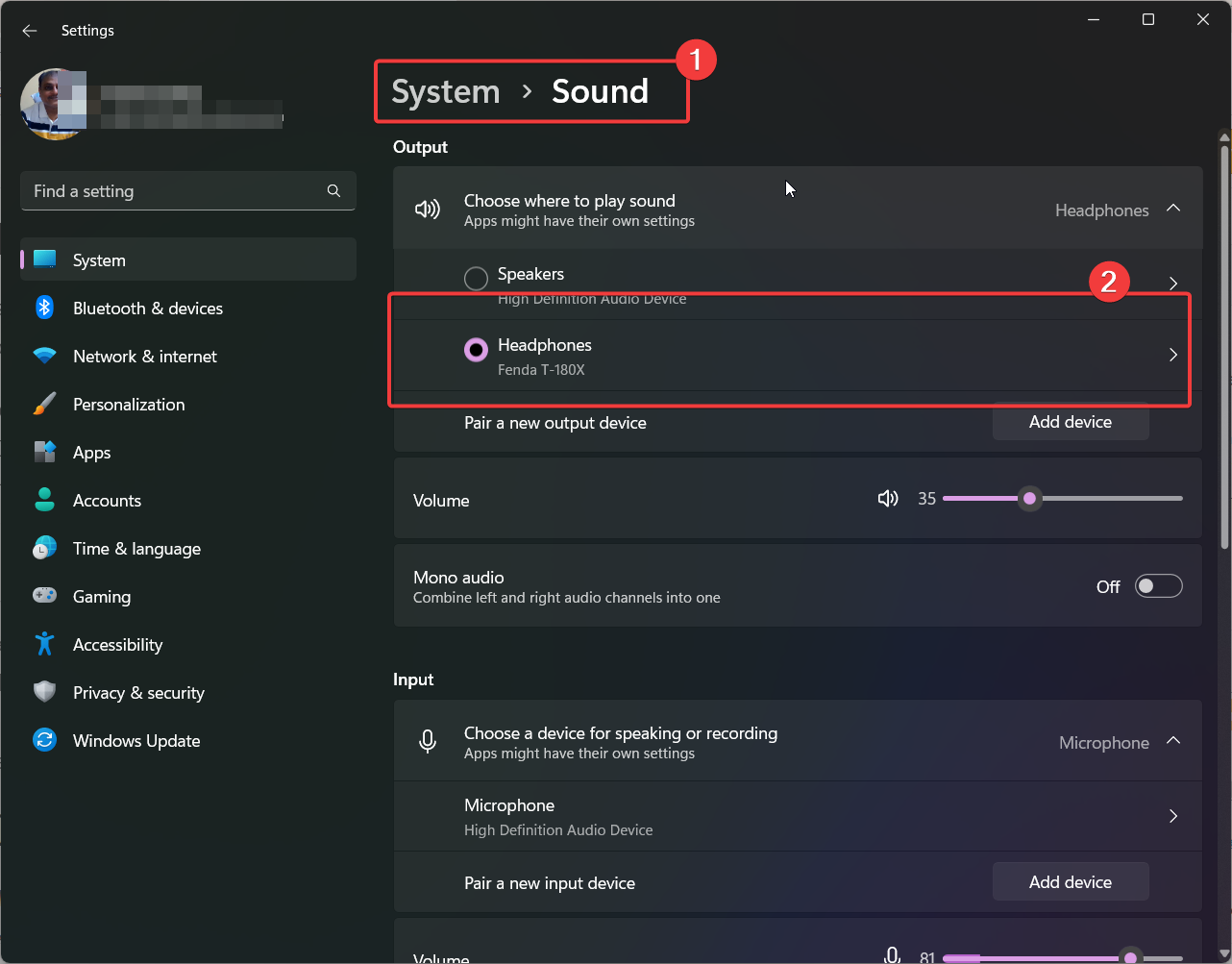
- Right-click the speaker icon in the taskbar and select “Sound Settings.”
- Under System > Sound > Output, you should choose the HDMI device you want to use for sound output.
- Add more audio devices like headphones, Bluetooth speakers, etc. by pairing a new output device. Click on Add device.
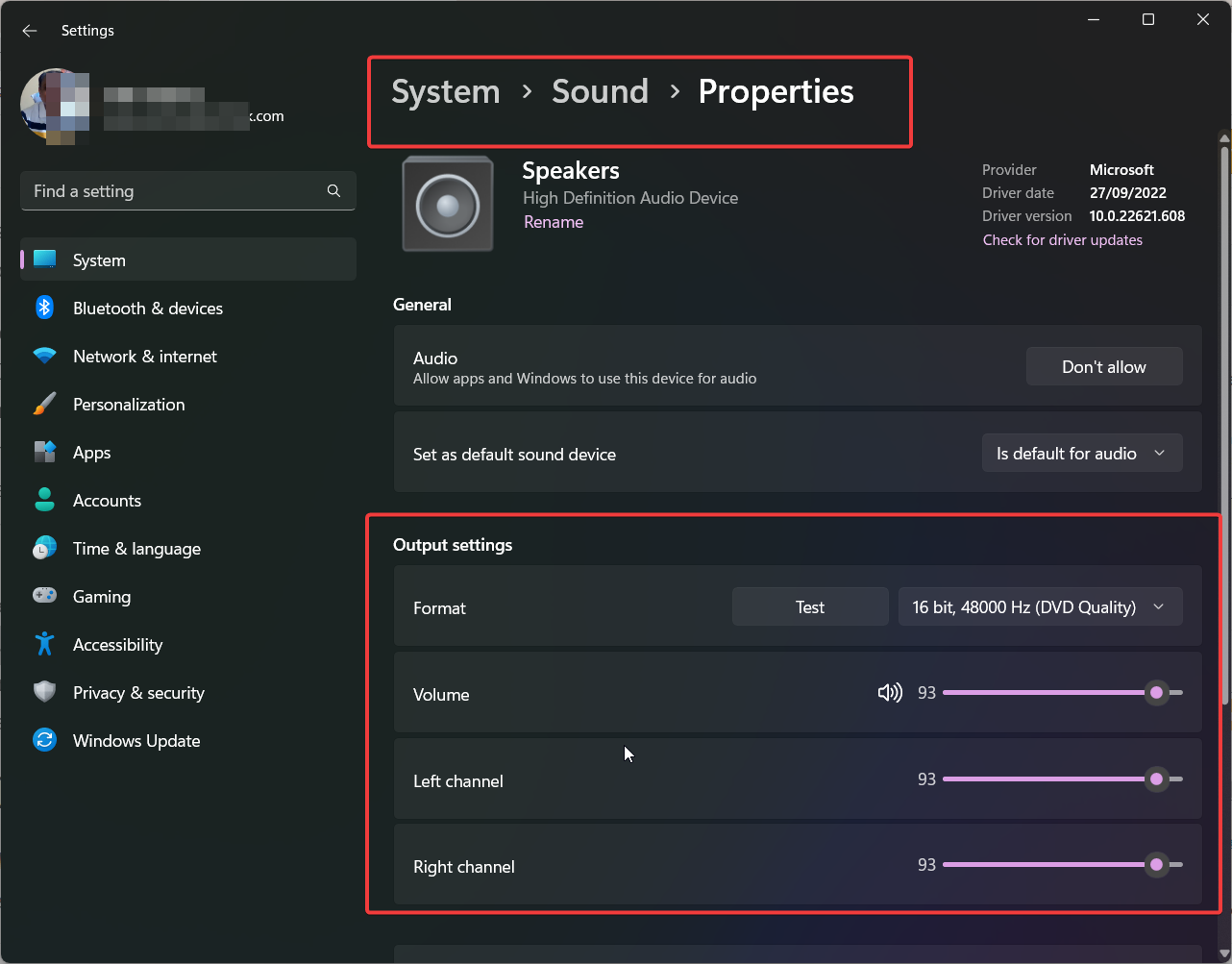
- Select the right device to play the audio. Click on that device for additional properties.
- Choose 16 bit, 44100 Hz (CD Quality) or 24 bit, 48000 Hz (Studio Quality) under the Output settings if those are the highest quality and bit depth your HDMI device supports.
Just connected, and sound stayed on the laptop? The quick routing step is in our laptop-to-TV HDMI setup guide—come back here if the TV never appears in the list.”
Install the most recent audio driver.
When HDMI audio doesn’t work in Windows 11, sometimes it’s because the audio driver is old or broken. Do the following to update the driver:
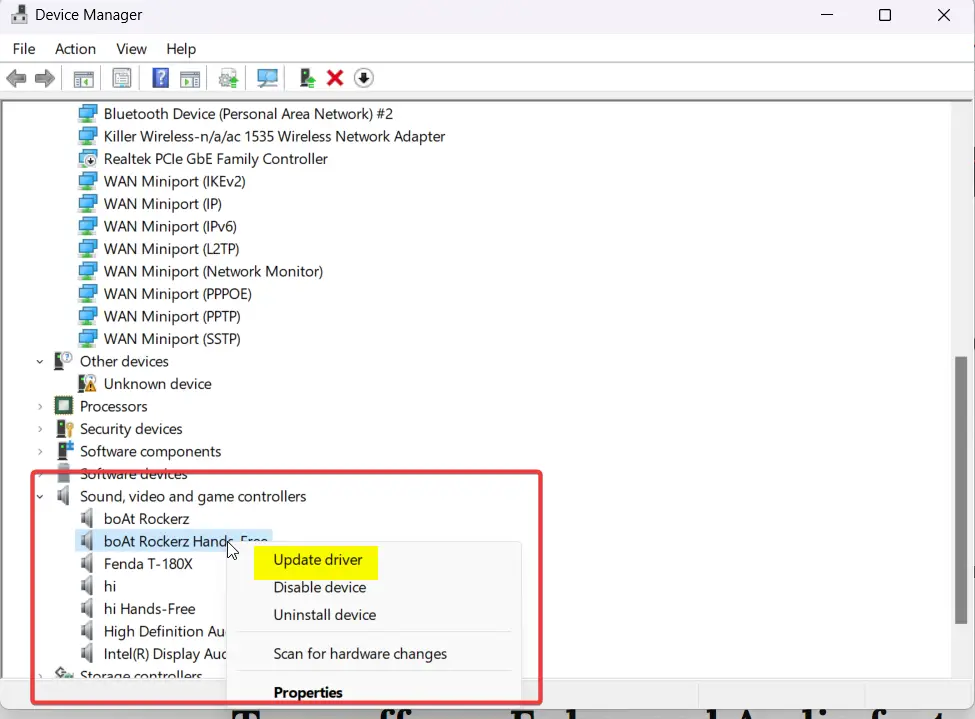
- Press Windows + X, then choose Device Manager from the menu.
- Under the category of sound, video, and game controllers, find your current playback device.
- Select Update driver when you right-click on the HDMI audio device.
- Choose “Look for updated driver software automatically,” and then wait for the process to finish.
- Install the new driver and then restart your computer if there is one.
Turn off any Enhanced Audio features
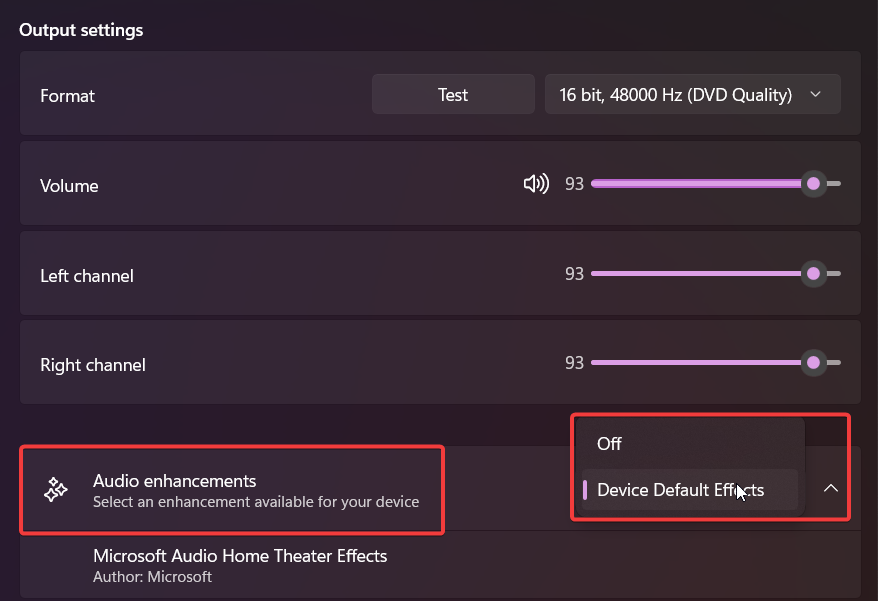
Due to the audio enhancements that are turned on by default, Windows 11 may cause problems when an HDMI audio output is used, such as distorted sound or loss of audio signal. Follow these instructions to turn them off:
- Your computer’s audio settings can be modified with a right-click on the speaker icon in the taskbar.
- In the section labeled System > Sound > Properties of the HDMI device you want to use as an audio output.
- Under Audio enhancements, choose to select “Off” from the drop-down menu.
Get Rid of Compatibility Problems—Windows 11 HDMI Audio Not Working
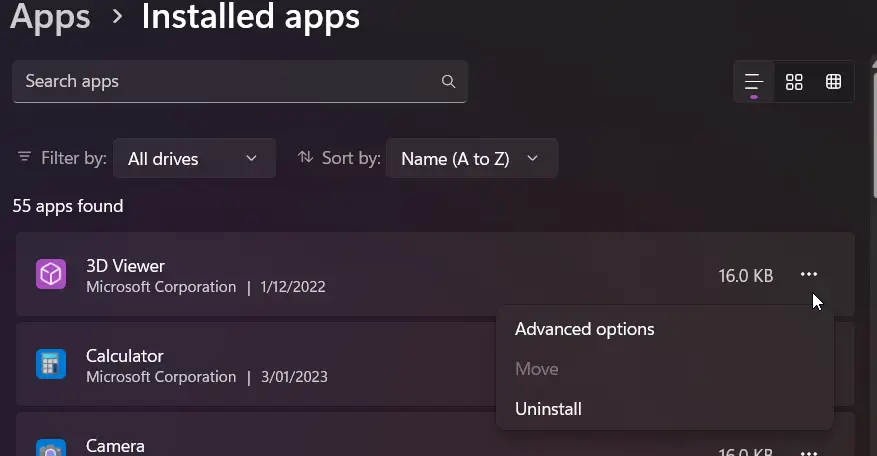
Any audio or video editing software that might interfere with Windows 11’s HDMI audio output should be removed. What you need to do to delete a program is:
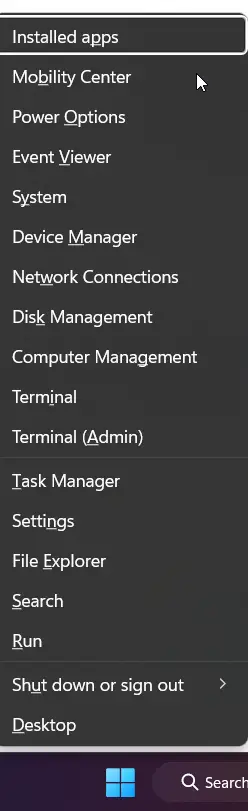
- The shortcut Windows + X brings up the Installed Programs menu.
- Locate the program you want to uninstall and click on it.
- To delete the application, click the Uninstall button and follow the on-screen instructions.
Make use of a diagnostics tool.
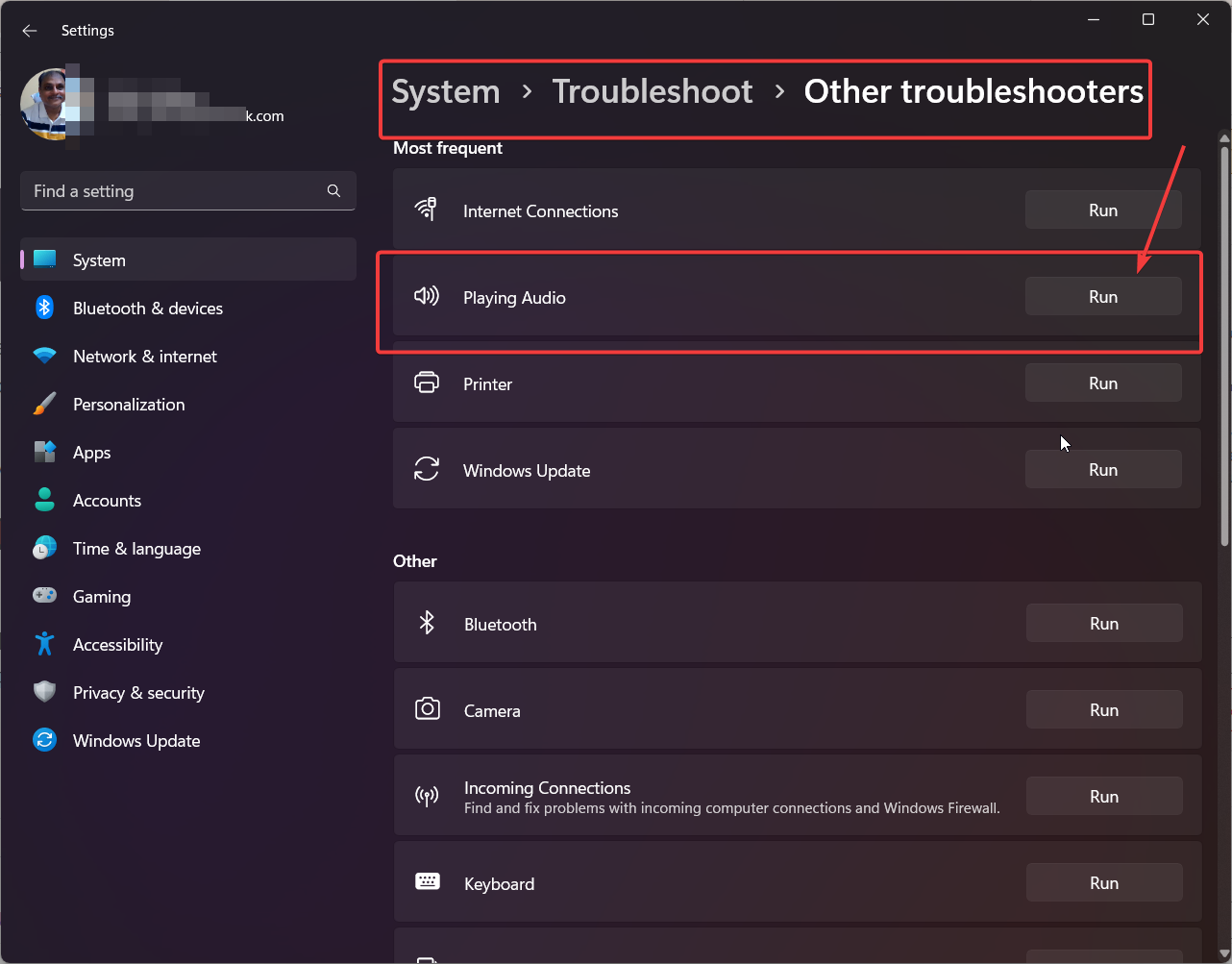
Common problems, like a broken HDMI audio connection, can be fixed automatically by the Windows 11 operating system. To use a troubleshooter, do the following:
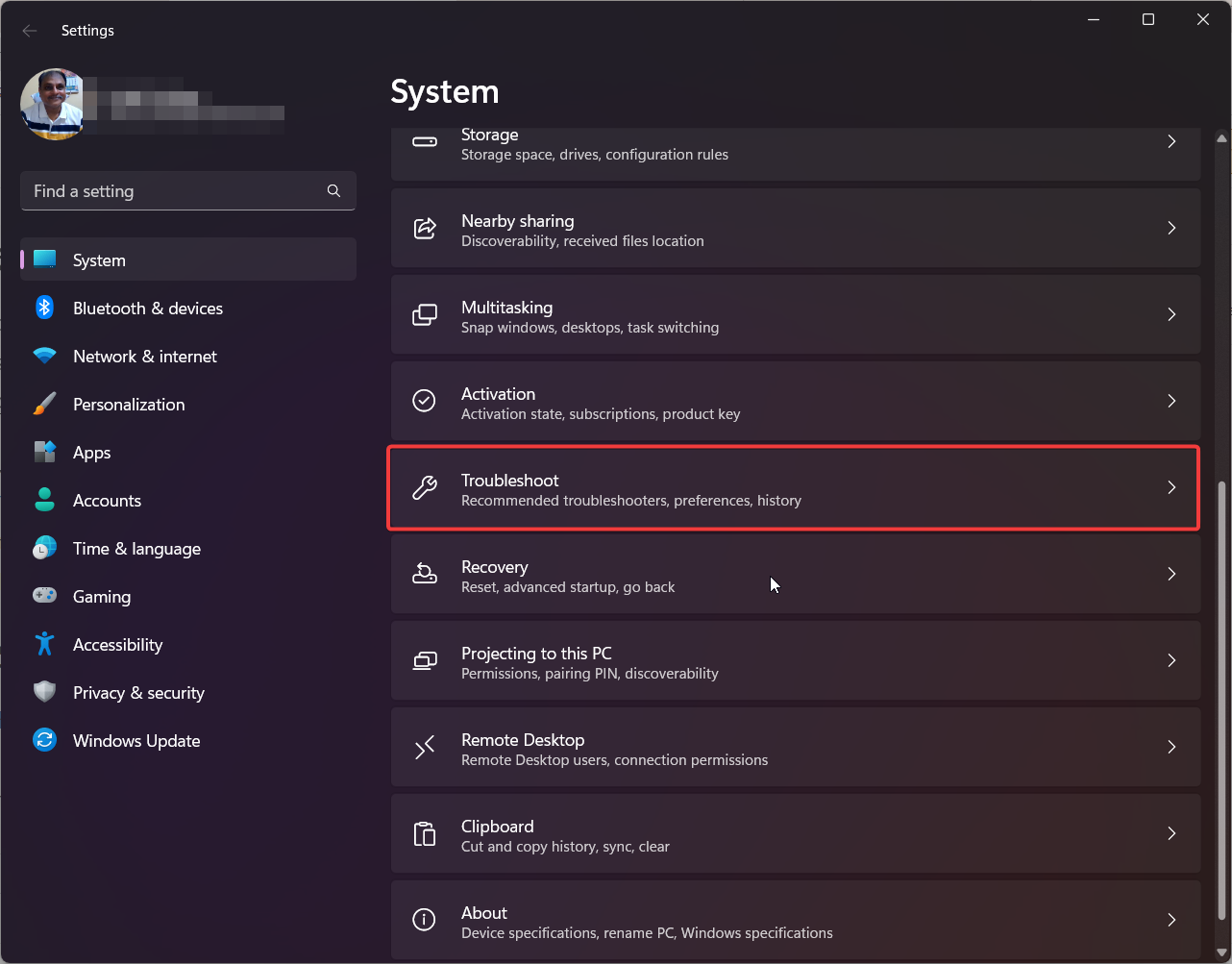
- To access the Settings menu, press Windows + I.
- The Troubleshoot option can be accessed by selecting System.
- Select Playing audio under the Get started heading.
- Simply use the troubleshooter as directed and implement any changes it suggests.
Restart Windows Audio Service.
Restarting the Windows Audio Service can also help fix HDMI audio issues. To do this, follow these steps:
- Press Windows key + R and type “services.msc” in the Run dialog box
- Locate the “Windows Audio” service and right-click on it
- Select “Restart.”
Best Practices
- After every Windows or GPU update, glance at the output picker — updates are the number one silent switcher.
- Boot with the TV connected and on for setups that misbehave.
- Keep the graphics driver current from the GPU maker’s own app, not just Windows Update.
- Prefer cables and adapters that state audio pass-through support.
- Leave the default format at 48kHz unless you know the TV handles more.
Common Mistakes to Avoid
- Updating the sound driver for an HDMI problem. HDMI audio rides the graphics driver — start there.
- Judging by a TV on standby. Windows only lists a powered-on, correct-input TV as an audio device.
- Missing the hidden-device checkboxes. Show Disabled Devices reveals most “missing” TVs.
- Ignoring the Advanced format tab. A format the TV cannot decode plays as pure silence.
- Blaming the cable first. It carries video fine; audio failures are nearly always settings or drivers.
Why does my TV not show up in Windows 11 sound output devices?
Usually it is hidden or disabled rather than absent. Open mmsys.cpl, right-click the empty Playback area, and tick Show Disabled Devices and Show Disconnected Devices, then enable the TV. Confirm the TV is powered on and on the correct HDMI input first — standby TVs often do not register.
How do I set my TV as the default audio device in Windows 11?
Press Win + R, run mmsys.cpl, select the TV on the Playback tab, click Set Default, then Apply. The green checkmark confirms it. Alternatively, go to Settings → System → Sound and choose the TV under Output. Setting the default stops apps drifting back to the speakers.
Can a USB-C or DisplayPort to HDMI adapter cause no sound?
Yes. Passive adapters without audio pass-through carry video only, so the TV shows a perfect picture while no audio signal exists for Windows to route. No setting fixes that — replace it with an adapter that explicitly lists audio pass-through support, then reselect the TV as output.
Why does restarting with the TV connected fix HDMI audio?
HDMI devices negotiate capabilities when the link is established, and Windows sometimes only builds the audio path correctly during boot. Restarting with the TV on and connected forces a clean handshake. Pair it with a Windows Audio service restart in services.msc for stubborn cases.
Conclusion
We hope this guide has helped you fix the problem where the audio from the HDMI port doesn’t work in Windows 11. If you do these things, you should be able to get good sound out of your PC.
Windows 11 HDMI audio not working is almost always Windows aiming sound at the wrong place — and the ladder to fix it is short. The output picker first. Default device and hidden devices in mmsys.cpl second. Then the truth most guides miss: the graphics driver carries HDMI audio, so the GPU driver — updated, rolled back, or cleanly reinstalled — is the deep fix. Format mismatches and passive adapters mop up the rest.
And the habit worth keeping: after every update, check the picker. Windows will switch your output again; next time it costs you ten seconds instead of an evening.
Work the nine fixes in order tonight, and tell us in the comments which number got your TV talking — across all the reader reports above, the spread between the quick picker fix and the driver reinstall is wider than you would guess, and knowing yours helps the next person start in the right place.
